
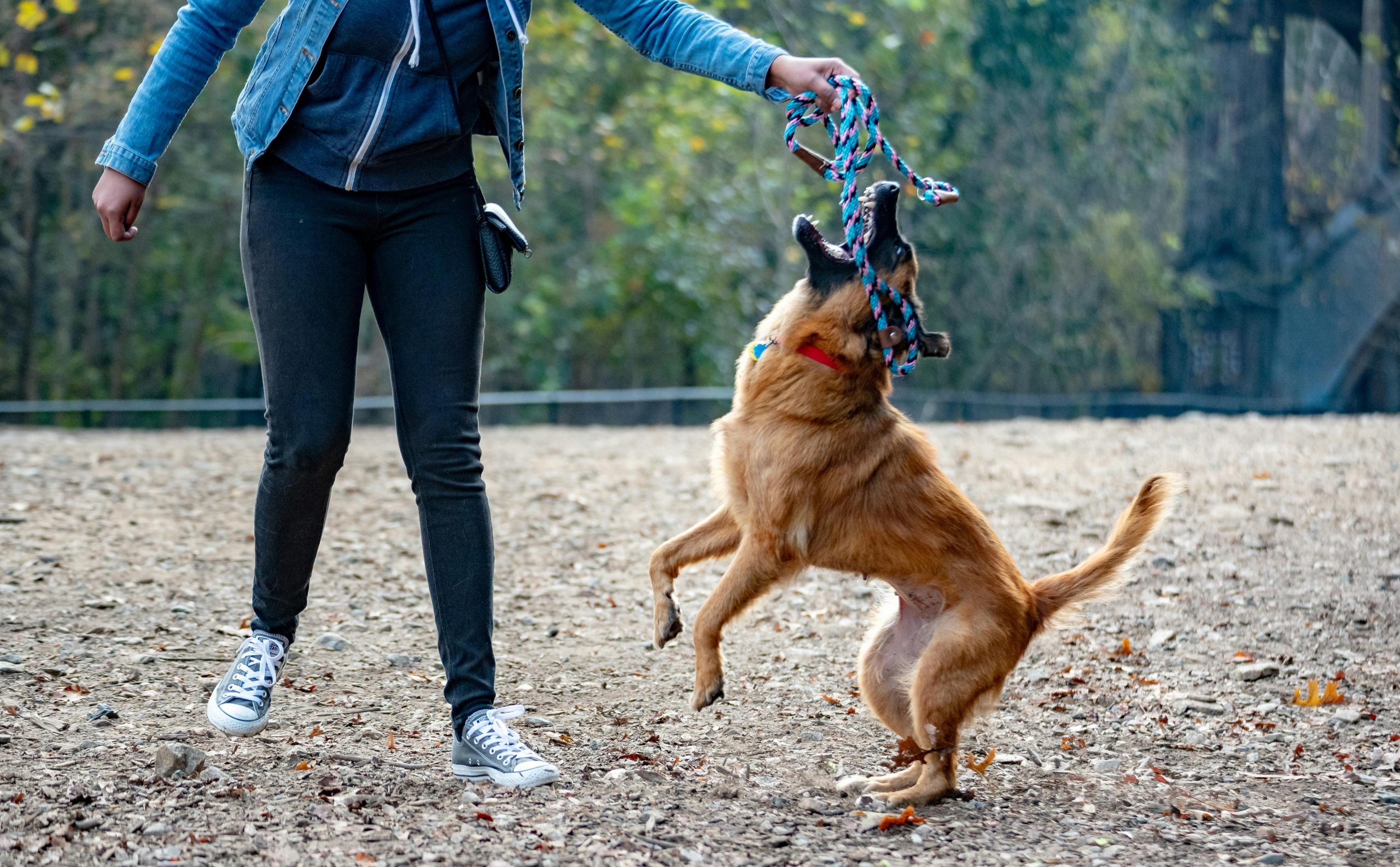
Raising a well-mannered and confident dog is one of the most rewarding aspects of life in Topanga—and it starts with effective training. This guide offers clear, actionable strategies tailored for local dog owners, backed by experienced trainers who understand the unique challenges and lifestyle here. We focus on results-driven techniques that not only improve obedience but also strengthen the bond between you and your furry companion.
Foundations of Successful Dog Training
The key to dependable learning lies in consistent communication and clear structure. Training isn’t just about commands—it builds a predictable relationship that makes your dog’s behaviour both manageable and enjoyable. Whether tackling common challenges like jumping or barking or enhancing everyday cooperation, a well-designed plan lays the groundwork for lasting success. Topanga residents looking for expert guidance can explore our comprehensive dog training programs designed to adapt to your dog’s personality and your schedule.
Why Start Early? The Power of Puppy Training

Initiating training during your dog’s early months creates a foundation of trust and clear expectations that lasts a lifetime. Early training helps avoid behavioural issues like anxiety and aggression by setting positive routines from the start. This proactive approach leads to more predictable, confident adult dogs who thrive in Topanga’s active lifestyle.
Essential Commands for Everyday Life
Mastering core commands like Sit, Stay, Come, Heel, and Down keeps your dog safe and enhances your day-to-day interactions. These fundamental skills create reliable control in varied settings—from hiking the trails to relaxing at home. Short, consistent practice sessions, paired with clear cues, accelerate progress and build your dog’s confidence.
Harnessing Positive Reinforcement
Rewarding good behaviour immediately with treats, praise, or play transforms training into a motivating and enjoyable process. This approach not only encourages repetition of desired behaviours but also deepens your connection. When your dog associates learning with positive experiences, training becomes a bonding adventure tailored to their personality.
Socialization: Building Calm, Confident Dogs
In Topanga’s busy community spaces and diverse natural settings, dogs encounter many stimuli. Planned and positive socialization helps them respond calmly to people, other animals, and new environments. This reduces fear and fosters adaptability, making outings more enjoyable for everyone. Try supervised playdates or visits to various local parks to gradually build your dog’s social skills.
Effective Obedience Techniques for Real-Life Challenges

Practical obedience methods focus on everyday scenarios, helping your dog respond predictably and safely. These techniques, applied consistently, reduce stress and improve your mutual enjoyment of daily activities—from peaceful walks to interactions in social settings.
Leash Manners Made Simple
Walking peacefully on leash transforms outings in Topanga from frustrating to fun. The Stop-and-Go method is an easy-to-learn technique that teaches your dog pulling equals a pause in movement, encouraging polite leash behaviour. With patience, well-timed responses, and clear signals, you’ll both look forward to walks again.
Teaching Impulse Control
Impulse control skills help your dog stay composed around distractions—a must in hiking areas or neighborhood gatherings. Commands like Leave It and Wait empower your dog to make calm choices, even in stimulating environments. For more serious behavioural challenges, including aggression, check out our specialized aggressive dog training services, which offer tailored support from experienced professionals.
Gradual Exposure for Confidence Building
Slowly introducing your dog to new, potentially stressful stimuli helps build resilience without overwhelm. Starting with minimal distractions and intensifying gradually allows anxious dogs to adapt, ensuring steady progress and a happier companion.
Targeted Behavioral Modification
Pinpointing your dog’s specific triggers is the first step toward effective behavioural change. Customized strategies help reshape responses, whether it’s reducing barking or curbing fear-based reactions. When complexity grows, partnering with skilled trainers ensures safe and successful outcomes.
Explore Our Tailored Training Programs
At Topanga Pet Resort, we offer flexible training options designed to fit your lifestyle and your dog’s unique needs. Choose from group classes that encourage social learning, private lessons for focused support, or behaviour modification courses for targeted challenges. Our expert trainers deliver proven techniques and clear progress milestones to keep you and your dog motivated.
Discover more about our family dog training programs—crafted to build lasting skills and deepen your partnership. Benefit from personalized instruction that respects your schedule and adapts to your dog’s learning pace, all in the supportive setting of Topanga Pet Resort.
Ready to Transform Your Dog’s Behavior?
Take the next step toward a happier, more obedient dog in your Topanga home. Explore our training programs, connect with our expert trainers, and unlock your dog’s full potential. Whether you’re starting with a new puppy or refining an adult dog’s skills, we’re here to support every stage of your journey.
Frequently Asked Questions
1. How can I tell if my dog is ready for training?
Readiness depends on factors like age, temperament, and attention span. Puppies can begin basic training as early as 8 weeks old, but older dogs are also capable learners. Signs your dog is ready include curiosity, ability to focus briefly, and responsiveness to rewards. Tailor session length to your dog’s engagement levels to keep training fun and effective.
2. What are common mistakes to avoid during dog training?
Inconsistent commands, slow or delayed rewards, and excessive distractions can hinder learning. Avoid punitive tactics that damage trust. Instead, keep sessions short and positive, repeat clear cues consistently, and be patient as your dog builds new skills.
3. How do I manage my dog’s fears or anxieties during training?
Approach fear with patience and create a safe, calm environment. Gradual desensitization—introducing triggers slowly while rewarding relaxed behaviour—helps reduce anxiety. If challenges persist, professional trainers or behaviourists offer personalized plans that address your dog’s specific needs.
4. What age is best to start training a puppy?
The ideal window for early training and socialization is between 8 and 16 weeks. Experiences during this period shape your dog’s future reactions and minimize behaviour problems. Although starting young offers benefits, older dogs remain fully capable of learning with consistent practice.
5. How often should I train my dog for optimal results?
Short, frequent sessions work best—aim for 5 to 10 minutes multiple times daily. Regular practice reinforces commands, fosters social skills, and strengthens your bond. Adjust timing to match your dog’s energy, age, and focus for the best outcomes.
6. Can I train my dog without professional help?
Many owners successfully train their dogs independently using books, online tutorials, and videos. Consistency, patience, and dedication are key. However, for persistent or complex issues, professional trainers provide targeted expertise and support that can accelerate progress.
7. What should I do if my dog doesn’t respond to training?
Non-responsiveness may result from distractions, low motivation, or health issues. Ensure consistent cues and immediate positive reinforcement, and manage the training environment to minimize distractions. If challenges continue, consult a veterinarian or trainer to identify underlying causes and adjust strategies accordingly.
Conclusion
Consistent, structured training is your pathway to a well-behaved, confident dog and a rewarding owner-pet relationship. Focus on core commands, start early, and embrace positive, reward-based methods to foster steady progress and prevent behaviour problems. Professional programs at Topanga Pet Resort offer expertly crafted curricula, personalized attention, and real-world results, designed specifically for the Topanga lifestyle. Begin your training journey today to bring out the best in your dog and enjoy a harmonious household for years to come.





