
Dog Obedience Training in Los Angeles: Building Better Habits for Life
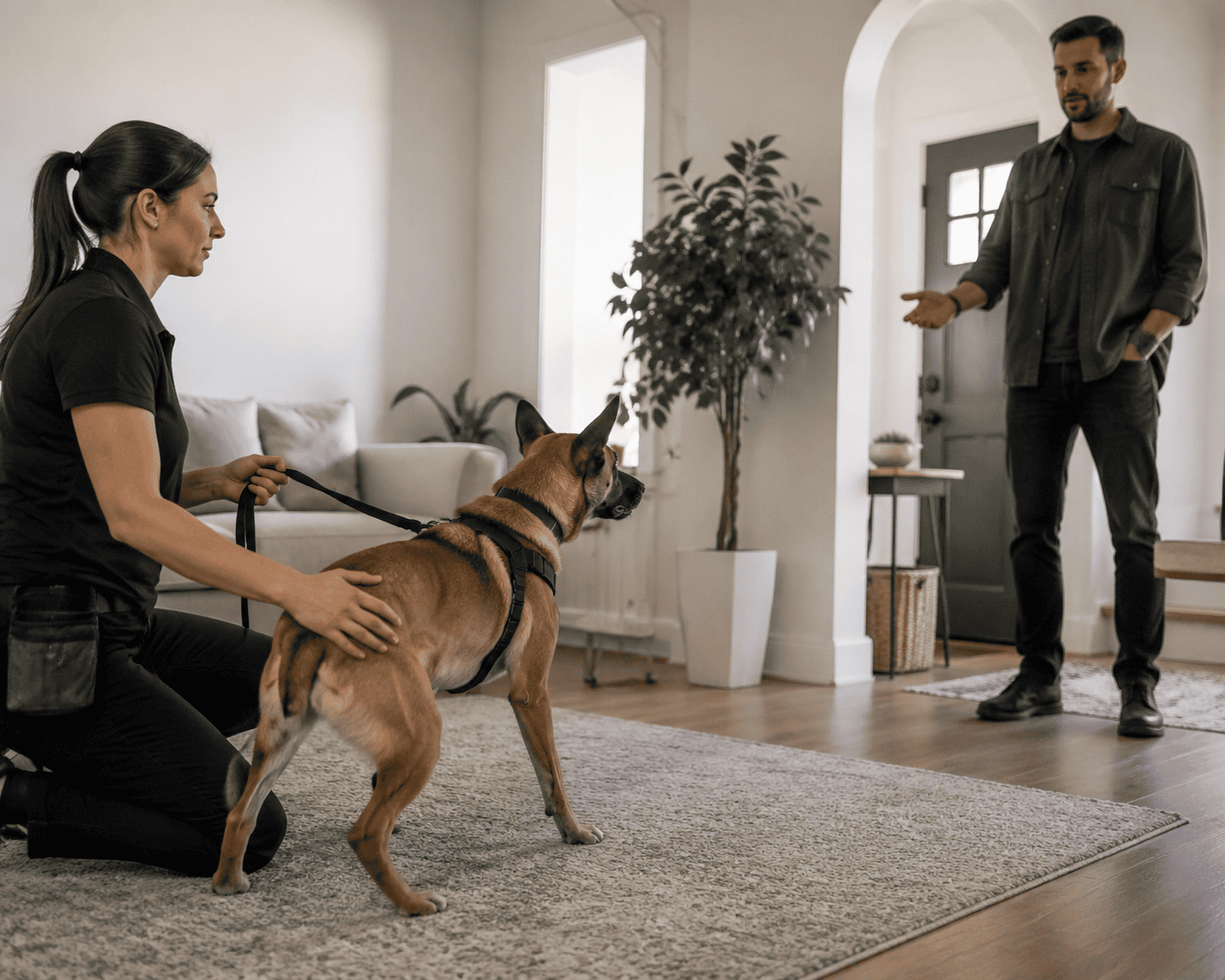
Living with a dog should be enjoyable—not a daily struggle over pulling on the leash, jumping on visitors, ignoring commands, or refusing to come when called. While every dog has its own personality, basic obedience creates the foundation for a safe, confident, and rewarding relationship between dogs and their owners.
Many people assume obedience training is only for puppies or dogs with behavioral issues. In reality, dogs of nearly any age can benefit from learning clear expectations and consistent communication. If you’re considering dog obedience training in Los Angeles, understanding what quality training looks like can help you make an informed decision and set realistic expectations for your dog’s progress.
What Is Dog Obedience Training?
Dog obedience training teaches your dog to consistently respond to everyday commands while developing focus, self-control, and good manners.
Rather than teaching tricks, obedience focuses on practical skills that improve daily life.
Most programs include commands such as:
- Sit
- Stay
- Down
- Come
- Heel
- Place
- Leave It
- Loose-leash walking
These behaviors make everyday situations—from neighborhood walks to visits with friends—more enjoyable and less stressful.
Good obedience training also teaches owners how to communicate clearly with their dogs so the lessons continue long after formal sessions end.

Why Obedience Matters Beyond Basic Commands
Many unwanted behaviors aren’t caused by stubbornness. More often, they’re the result of inconsistent communication, excitement, or a dog simply not understanding what’s expected.
Obedience training creates structure.
Dogs naturally thrive when expectations are clear and consistent. Once they understand the rules, many become calmer, more attentive, and easier to manage in unfamiliar situations.
Reliable obedience can also improve safety by helping dogs respond during situations like:
- Crossing busy streets
- Meeting unfamiliar people
- Encountering other dogs
- Visiting parks
- Going to veterinary appointments
- Welcoming guests into your home
Training isn’t about controlling your dog—it’s about building reliable communication.
When Should You Start Obedience Training?
One of the biggest misconceptions is that training has an expiration date.
While puppies often learn quickly because they’re developing new habits, adult dogs can also make excellent progress with consistent guidance.
Training may be appropriate if your dog:
- Pulls constantly during walks
- Ignores basic commands
- Jumps on people
- Gets overly excited around distractions
- Has difficulty settling indoors
- Doesn’t come when called
- Becomes easily distracted outside
Addressing these habits early often prevents them from becoming more difficult over time.
What Professional Trainers Look For
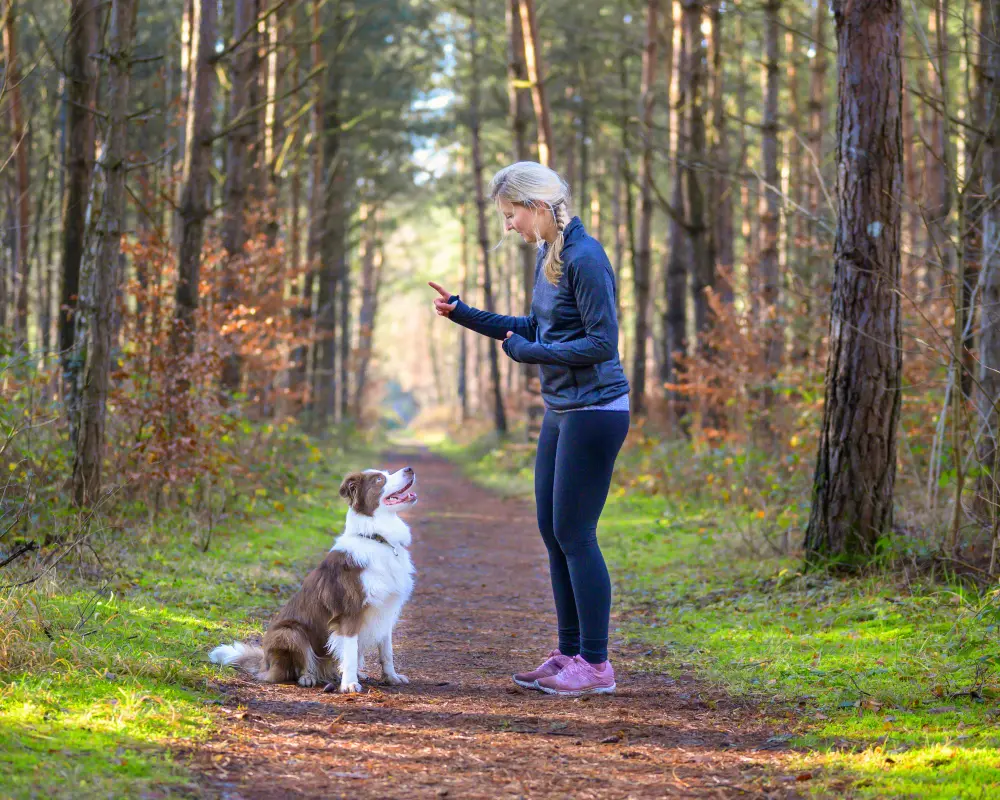
Experienced trainers don’t begin by teaching advanced commands.
Instead, they first evaluate how the dog learns, responds to distractions, and communicates with its owner.
Several factors influence a training plan, including:
- Age
- Breed tendencies
- Energy level
- Previous training experience
- Confidence
- Motivation
- Home environment
Every dog learns differently, so successful obedience training adjusts techniques to fit the individual rather than relying on a single approach for every dog.
The Importance of Consistency at Home
Even the best training program can’t replace daily reinforcement.
Dogs learn through repetition. Practicing commands for just a few minutes each day often produces better long-term results than relying solely on weekly sessions.
Owners can support progress by:
- Using consistent command words
- Rewarding desired behaviors immediately
- Avoiding mixed signals
- Keeping training sessions short and positive
- Practicing in different environments
Small, regular practice sessions help dogs understand that expectations remain the same whether they’re at home, in the park, or on a neighborhood walk.
Common Mistakes That Slow Progress
Training setbacks are common, especially when owners unintentionally reinforce unwanted behaviors.
Some of the most frequent mistakes include:
Repeating Commands
Saying “Sit, sit, sit” teaches dogs they don’t need to respond the first time.
Inconsistent Rules
Allowing a behavior one day but correcting it the next creates confusion.
Expecting Immediate Results
Learning takes time. Dogs improve through repetition, consistency, and patience.
Skipping Practice
Without regular reinforcement, even well-trained dogs may become less reliable over time.
Understanding these challenges helps owners stay realistic and committed throughout the training process.
Why Environment Plays an Important Role
Many dogs perform perfectly at home but struggle once distractions appear.
That’s normal.
Professional obedience training gradually introduces new environments so dogs learn to stay focused despite activity around them.
Training may include controlled exposure to:
- New people
- Other dogs
- Outdoor sounds
- Busy walking paths
- Different surfaces
- Everyday distractions
This progression helps dogs build confidence while maintaining reliable responses.
Choosing the Right Dog Obedience Training in Los Angeles
Not every training program follows the same approach.
When evaluating your options, consider asking questions about:
- Training philosophy
- Trainer qualifications
- Program structure
- Owner involvement
- Opportunities for continued practice
- Individual versus group instruction
- Boarding and training options if available
A quality program should help owners understand the training process rather than simply expecting the dog to perform commands.
Long-term success depends on both the dog and the owner learning together.
Suggested Internal Links:
- Dog Training → Service Page
- Board & Train Program → Service Page
- Dog Boarding → Service Page
- Puppy Training → Service Page
- About → About Page
- Contact → Contact Page
- What Do Previous Clients Say About Their Dog Training Experiences? → Related Blog
- How Effective Are the Training Methods Used by Your Los Angeles Dog Trainers? → Related Blog
Building Confidence Through Training
Obedience training isn’t about creating a perfectly behaved dog overnight. It’s about developing communication, trust, and consistency that benefit both dogs and their owners every day.
Whether your goal is easier walks, improved manners at home, or better focus around distractions, investing time in structured training can create lasting improvements that continue well beyond the classroom.
FAQ
At what age should a dog begin obedience training?
Basic obedience can begin during puppyhood, but adult dogs can also learn new skills successfully with consistent training.
How long does obedience training usually take?
Every dog learns at a different pace. Progress depends on factors such as age, previous experience, consistency, and regular practice at home.
Can obedience training help with leash pulling?
Yes. Loose-leash walking is one of the most common skills taught during obedience programs and can make daily walks more enjoyable.
Is owner participation important?
Absolutely. Dogs learn faster when owners understand how to reinforce commands consistently between professional training sessions.
Conclusion
Strong obedience creates the foundation for a happier life with your dog. Clear communication, consistent expectations, and regular practice can transform everyday routines—from walks and family gatherings to trips around Los Angeles—into more relaxed and enjoyable experiences.
If you’re exploring dog obedience training in Los Angeles, take time to learn about the available programs and choose an approach that supports both your dog’s development and your role as an owner. The right training isn’t just about commands—it’s about building a partnership that lasts for years.