
Dog Behavior Training in Los Angeles: Understanding the Root of Unwanted Behaviors
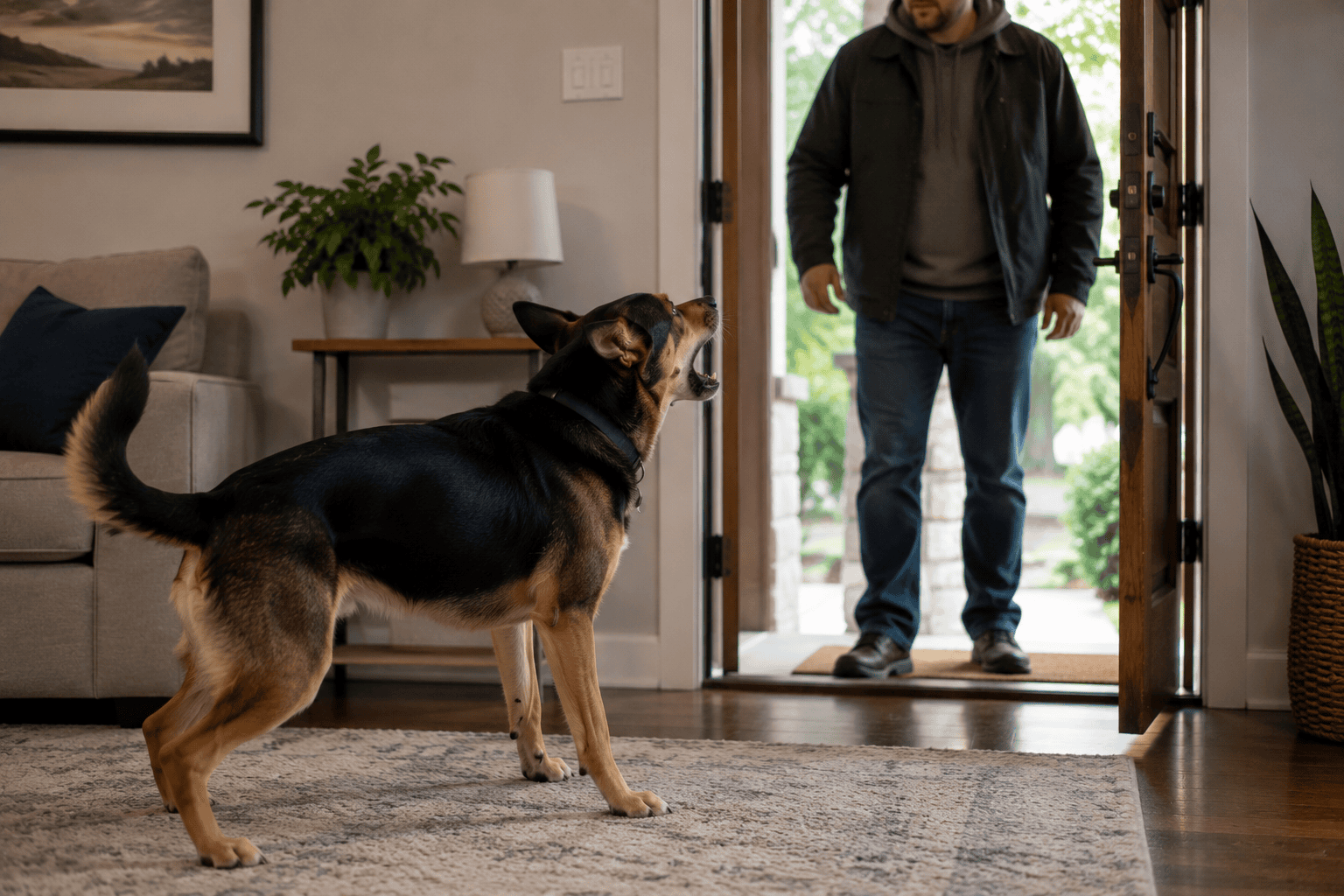
Every dog communicates through behavior. Excessive barking, leash reactivity, jumping on guests, separation anxiety, or destructive chewing are often signs that a dog is struggling to cope with a particular situation—not simply trying to be difficult.
Many owners hope these behaviors will disappear with time, but most become more established if they’re left unaddressed. Professional dog behavior training in Los Angeles focuses on identifying why a behavior occurs and teaching both the dog and the owner healthier ways to respond.
Understanding the cause is often the first step toward lasting improvement.
What Is Dog Behavior Training?
Behavior training goes beyond teaching commands like “sit” or “stay.”
Its purpose is to address unwanted behaviors by improving communication, building confidence, and changing how a dog responds to specific situations.
Depending on the dog’s needs, behavior training may focus on:
- Excessive barking
- Leash pulling and leash reactivity
- Jumping on people
- Separation anxiety
- Fear of unfamiliar situations
- Resource guarding
- Impulse control
- Difficulty around other dogs
- Poor household manners
Rather than treating every dog the same, behavior training begins with understanding what triggers the behavior in the first place.

Why Dogs Develop Behavioral Problems
Behavior problems rarely happen without a reason.
Dogs respond to their environment, previous experiences, genetics, and daily routines. What appears to be stubbornness is often a response to confusion, stress, excitement, or fear.
Some common contributing factors include:
- Limited socialization
- Inconsistent household rules
- Lack of mental stimulation
- Excess physical energy
- Changes in routine
- Previous negative experiences
- Unclear communication from owners
Finding the underlying cause allows trainers to create a plan that addresses the behavior instead of simply correcting the symptom.

Common Challenges Dog Owners Face
Many families seek professional training after noticing patterns that begin affecting everyday life.
Some of the most common concerns include:
Leash Reactivity
Dogs may bark, lunge, or become overly excited when they see other dogs or people during walks.
Jumping on Visitors
Excitement often leads dogs to greet guests by jumping, which can quickly become frustrating for both owners and visitors.
Excessive Barking
Dogs bark for many reasons, including boredom, excitement, fear, territorial behavior, or attention seeking.
Difficulty Being Left Alone
Some dogs struggle when separated from their owners, leading to destructive behaviors or excessive vocalization.
Each behavior requires its own training strategy rather than a one-size-fits-all solution.
Why Early Intervention Matters
Many owners wait until a behavior becomes severe before seeking help.
In reality, addressing concerns early often leads to faster progress because unwanted habits have had less time to become established.
Small issues such as occasional pulling or mild reactivity can gradually become more difficult if they’re unintentionally reinforced over time.
Starting behavior training early helps create better long-term habits while reducing frustration for both the dog and the family.
What Professional Trainers Evaluate
Behavior training starts with observation rather than correction.
Experienced trainers evaluate factors such as:
- The situations that trigger the behavior
- Body language
- Stress signals
- Confidence level
- Response to distractions
- Relationship with family members
- Previous training experience
This assessment helps determine whether the behavior is driven by fear, excitement, uncertainty, frustration, or another underlying factor.
Understanding the “why” behind the behavior makes training far more effective.
The Owner’s Role in Behavior Training
One of the biggest misconceptions is that trainers “fix” dogs on their own.
Successful behavior training also teaches owners how to reinforce new habits consistently at home.
Daily routines make a significant difference.
Owners are encouraged to:
- Practice consistent commands.
- Reward calm behaviors.
- Maintain predictable routines.
- Avoid accidentally reinforcing unwanted habits.
- Continue practicing after formal sessions end.
The more consistent the environment becomes, the easier it is for dogs to understand what’s expected.
Behavior Change Takes Time
Improvement rarely happens overnight.
Some behaviors begin changing quickly, while others require weeks or months of steady reinforcement depending on the dog’s history and the complexity of the issue.
Progress is often gradual.
For example, a dog that once reacted to every passing dog may first learn to remain calm at greater distances before eventually walking comfortably through busier environments.
Celebrating these smaller milestones helps owners stay motivated throughout the process.
Choosing Dog Behavior Training in Los Angeles
Every dog has unique needs, so it’s important to find a program that takes time to understand both the dog and the owner’s goals.
When comparing training options, consider asking about:
- Behavioral assessments
- Individualized training plans
- Owner participation
- Board-and-train opportunities
- Follow-up support
- Real-world practice around distractions
A thoughtful training program focuses on creating lasting behavior changes rather than quick fixes.
Suggested Internal Links:
- Dog Behavior Training → Service Page
- Dog Training → Service Page
- Board & Train Program → Service Page
- Dog Boarding → Service Page
- Puppy Training → Service Page
- About → About Page
- Contact → Contact Page
- How Effective Are the Training Methods Used by Your Los Angeles Dog Trainers? → Related Blog
- What Do Previous Clients Say About Their Dog Training Experiences? → Related Blog
Helping Your Dog Succeed
Behavior challenges don’t define a dog—they simply highlight areas where additional guidance may be needed.
With patience, consistent communication, and a structured training plan, many dogs develop greater confidence, improved self-control, and healthier responses to everyday situations.
Seeking professional guidance early can make daily life more enjoyable for both you and your dog.
FAQ
What’s the difference between obedience training and behavior training?
Obedience training focuses on teaching commands and manners, while behavior training addresses issues such as barking, fear, reactivity, anxiety, and other unwanted behaviors.
Can older dogs benefit from behavior training?
Yes. Dogs of many ages can learn new behaviors when training is consistent and tailored to their individual needs.
How long does behavior training take?
The timeline depends on the dog’s temperament, history, the specific behavior being addressed, and how consistently training continues at home.
Is behavior training only for aggressive dogs?
No. Many dogs receive behavior training for everyday challenges like leash pulling, excessive barking, jumping, separation anxiety, or difficulty focusing around distractions.
Conclusion
Behavioral issues can feel overwhelming, but they’re often opportunities to better understand how your dog experiences the world. By identifying the root cause and following a structured training plan, owners can replace frustration with clearer communication and stronger trust.
If you’re considering dog behavior training in Los Angeles, take the time to choose a program that looks beyond the symptoms and focuses on lasting behavior change. The right approach can improve not only your dog’s behavior but also the relationship you share every day.