

By Topanga Pet Resort Editorial Team · Updated 2026-08-30
Professional dog training in Los Angeles addresses obedience, leash manners, reactivity, and separation anxiety through structured, evidence-based methods. Topanga Pet Resort, a Topanga Canyon-based facility serving Los Angeles, fields six certified trainers with 50+ years of combined experience, offering puppy programs, advanced behavior modification, and Board & Train bootcamps with three to four personalized sessions a day. The goal isn’t obedience for its own sake — it’s a calmer, more confident dog, and an owner who knows how to keep that progress going long after the program ends.
Key Takeaways
- Topanga Pet Resort employs 6 certified trainers with 50+ years of combined professional experience.
- Programs are built around each dog’s temperament and goals, not a one-size-fits-all script.
- Topanga Pet Resort has worked with 563 happy clients across boarding, daycare, and training.
- Board & Train, day training, and specialty programs — including service dog preparation — are all available under one roof.
Why Does Los Angeles Need Specialized Dog Training?
City life creates behavior challenges that suburban training programs rarely address. Crowded sidewalks, off-leash parks like Runyon Canyon, apartment living, and constant exposure to strangers and other dogs demand a professional dog trainer Los Angeles owners can rely on for both structure and adaptability.
A dog that behaves calmly in a quiet backyard often struggles with tight elevators, dog-friendly patios, or crowded farmers markets. Training built for Los Angeles conditions closes that gap — moving a dog from basic apartment leash manners to dependable off-leash recall at the local park.
Experience matters more than marketing claims. Topanga Pet Resort brings 50+ years of combined trainer experience to dogs from across the Greater Los Angeles area, drawing on that depth to handle everything from basic obedience to advanced aggression cases. Six certified trainers guide each program, so dogs work with staff trained in specific specialties rather than a single generalist handling every case. That range gives Los Angeles families a clear point of reference when comparing training providers — depth of experience, not just proximity or price.
Does City Environment Actually Change How a Dog Should Be Trained?
Yes. Dogs raised in dense urban settings encounter more triggers per outing than dogs in rural areas — skateboards, sirens, and unfamiliar dogs in tight spaces, all in the same walk. Training programs built for these conditions prioritize impulse control and desensitization alongside standard obedience commands.
Los Angeles training priorities compared:
| Environment Factor | Suburban Training Focus | LA-Specific Training Focus |
|---|---|---|
| Space | Yard recall | Leash precision in crowds |
| Triggers | Occasional | Constant, high-density |
| Socialization | Scheduled | Daily, unplanned exposure |
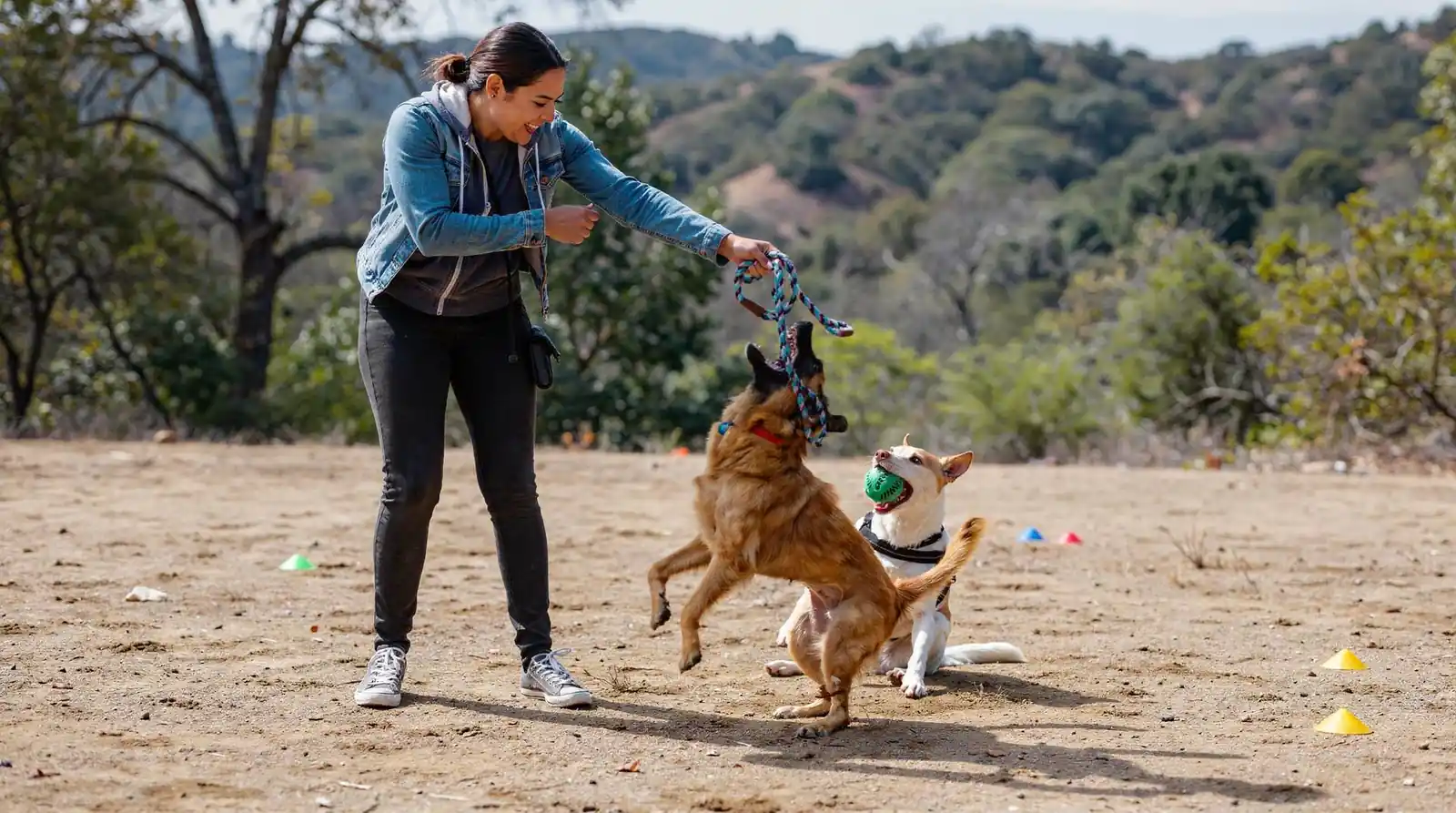
Which Behavior Issues Do LA Dogs Face Most?
Reactivity, separation anxiety, and jumping top the list of behavior challenges among Los Angeles dogs — driven by dense neighborhoods, crowded sidewalks, and long workdays that leave pets alone for hours.
A few patterns show up again and again:
- Leash reactivity toward other dogs — constant on busy streets in neighborhoods like Silver Lake and Culver City, where narrow sidewalks force close encounters
- Separation anxiety — common in apartment living, where a dog is alone for a full workday with no yard to burn off energy
- Barking and destructive chewing — a fast track to noise complaints in apartment-heavy buildings
- Poor recall — a real safety issue at off-leash parks and open spaces around the city
A qualified professional dog trainer in Los Angeles addresses these patterns with programs suited to breed, size, and age rather than one-size-fits-all fixes. Topanga Pet Resort’s curriculum reflects this range, covering puppy foundations, basic obedience, and advanced concerns such as reactivity, aggression, and family manners — so owners gain lifelong management skills instead of a temporary fix that fades once training ends.
What Training Formats Work Best for LA Lifestyles?
Group and private classes built around positive reinforcement give owners flexibility around demanding schedules. Group and in-facility programs lean on this model for everyday skills like walking politely and greeting guests calmly. Private sessions add focused attention for dogs struggling with specific triggers, such as skateboards, bikes, or unfamiliar dogs at the park.
Common behavior concerns owners bring to trainers include:
- Leash reactivity toward dogs or strangers
- Separation anxiety during long workdays
- Excessive barking in shared living spaces
- Jumping on guests and hyperactivity indoors
- Poor recall in off-leash areas
Topanga Pet Resort’s training programs are built to resolve exactly these issues, using structured, evidence-based methods rather than generic obedience drills.
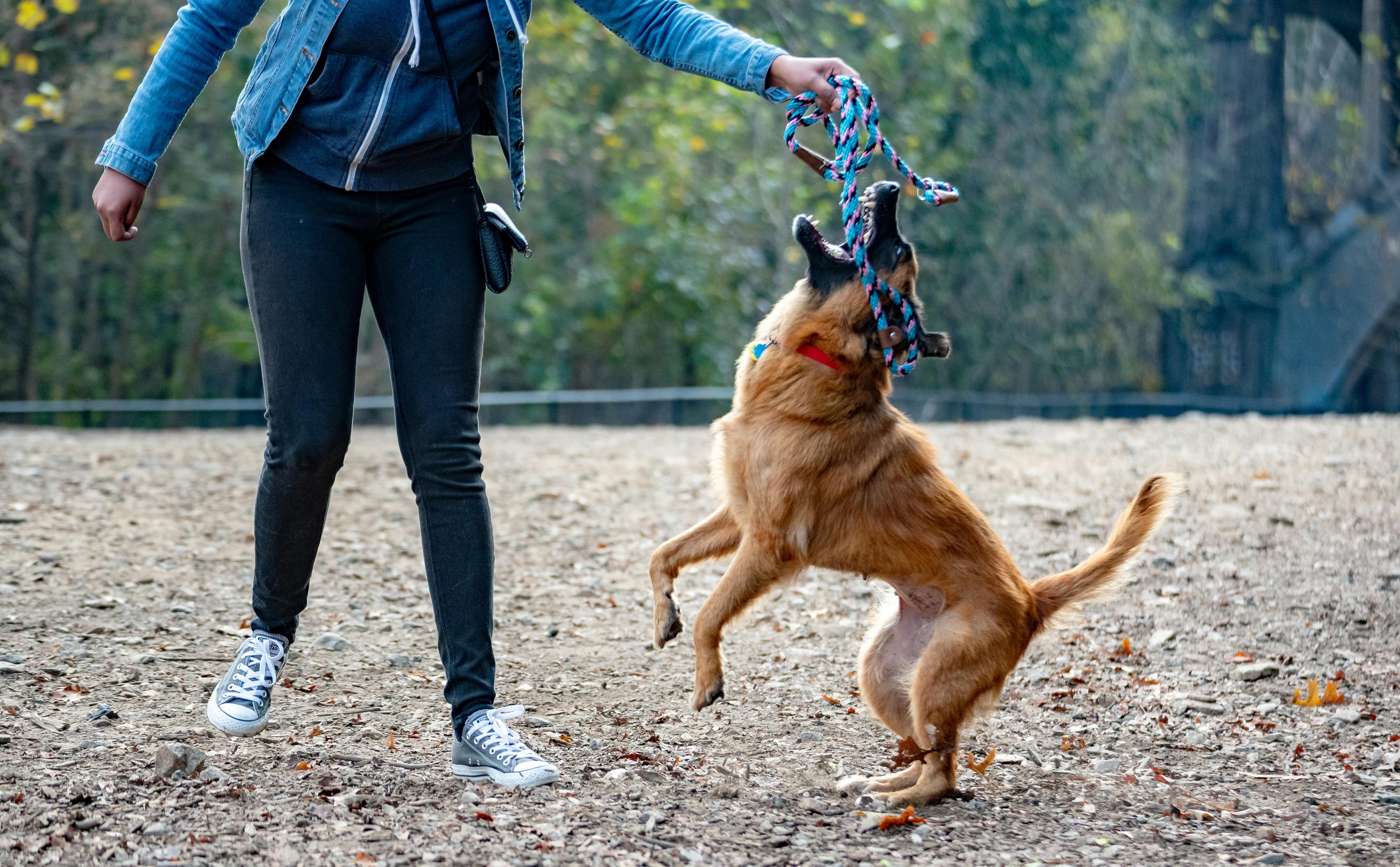
Board-and-Train or Day Training: Which Fits?
Board-and-train suits dogs needing immersive, round-the-clock structure. Day training fits owners who want professional sessions woven into an existing routine. Los Angeles households face distinct schedules — from Westside commuters to Valley families with young kids — so the right format depends on lifestyle and the dog’s behavior goals.
A professional dog trainer Los Angeles owners trust will typically start with an evaluation before recommending a path. Topanga Pet Resort’s Board & Train bootcamp begins with a one-hour assessment to align on goals and set an appropriate program length. From there, dogs receive three to four personalized training sessions daily, delivered inside a calm, supervised boarding environment that limits distractions and reinforces new habits consistently.
Day training, by contrast, keeps dogs sleeping at home each night. Los Angeles-area day programs pair professional sessions with structured outings and socialization, then send owners home with private lessons at pickup so new skills transfer into daily life.
| Feature | Board-and-Train | Day Training |
|---|---|---|
| Setting | Overnight boarding | Daytime sessions only |
| Sessions | 3-4 daily | Scheduled per visit |
| Best for | Fast, immersive change | Ongoing skill-building around a routine |
| Owner involvement | Handoff lessons after program | Go-home lessons each visit |
How Does Boarding Fit Into the Training Process?
Boarding dogs still get 5-6 hours of monitored outdoor play daily, alongside private, air-conditioned indoor rooms for rest between sessions. This balance of activity and downtime keeps dogs alert enough to learn without becoming overstimulated.
Can Owners Track Progress During a Stay?
Yes. Photo and video updates are available on request during operating hours, giving owners a window into training milestones without disrupting the dog’s routine.

What Does Professional Training Cost in LA?
Pricing for dog training in Los Angeles varies widely depending on format and depth. Group classes represent the entry point, while structured, individualized programs sit at the higher end. Los Angeles pet owners lose money fast when they choose the cheapest option without matching it to their dog’s actual needs.
Basic group sessions offer the lowest cost per hour. Local group classes can run as low as roughly $24.83 per hour-long session, with up to four dogs and owners learning together. That price point suits puppies working on foundational manners or social dogs needing light reinforcement — it rarely delivers results for reactivity, aggression, or complex behavior cases, which demand focused, one-on-one attention.
Is Group Training Enough for Behavior Problems?
Group settings work well for basic obedience but fall short on deeper issues. Dogs with anxiety, aggression, or reactivity need individualized plans that a shared classroom format cannot provide.
How Does Topanga Pet Resort Price Its Programs?
A professional dog trainer Los Angeles owners can trust doesn’t rely on a one-size-fits-all rate sheet. Topanga Pet Resort structures pricing around each dog’s evaluation, program length, and goals, so cost reflects the actual work involved rather than a flat class fee.
The resort has built its reputation on measurable outcomes rather than volume pricing. It has served 563 happy clients across boarding, daycare, and training programs — a track record that speaks to consistent demand. A team of 12 professionals supports every stage of that process, from initial evaluation through daily sessions.
Los Angeles owners weighing cost against outcome should call directly rather than guess. Topanga Pet Resort’s team can be reached at +1 888-818-1622 to discuss program pricing, duration, and which track fits a specific dog.
How Do You Pick the Right LA Trainer?
Credentials and program breadth matter more than proximity or price alone. A qualified professional dog trainer Los Angeles owners can trust demonstrates depth across specialty programs, not just basic sit-and-stay drills. Los Angeles dog owners face a crowded field of trainers, and the wrong choice wastes weeks of effort with little behavioral change to show for it.
Look past general obedience offerings first. Strong programs extend into protection work, assistance and service dog preparation, working dog skills, agility, and structured behavioral modification for reactivity or aggression. A facility offering only basic commands limits what’s achievable for dogs with complex needs or working-dog aspirations.
What Should a Los Angeles Training Facility Offer?
Staffing depth separates a reliable operation from a one-trainer shop with limited availability. Topanga Pet Resort fields 12 professionals, giving each dog access to varied expertise depending on the goal — whether that’s puppy foundations or advanced protection training. This bench also means scheduling flexibility for owners juggling work and family commitments.
Does Location Affect Training Quality?
Environment shapes focus, and focus shapes results. Training grounds spanning several acres of quiet, nature-forward property reduce the sensory overload dogs encounter in cramped city studios. Fewer distractions mean faster progress on recall, leash manners, and impulse control.
Consider these factors before enrolling a dog:
- Program range — verify specialty tracks exist beyond basic obedience
- Staff-to-dog ratio — ask how many trainers handle active caseloads
- Training environment — indoor studios versus expansive outdoor space
- Travel time — proximity from Woodland Hills, Calabasas, Malibu, or central Los Angeles
Topanga Pet Resort’s grounds sit minutes from these communities, combining large outdoor exercise areas with easy access for Los Angeles families dropping off or picking up dogs.
Ready to Get Started?
Every dog and every household is different, which is why the best next step is usually a quick conversation, not a guess. If you’re weighing Board & Train against day training, or just want to know which program fits your dog’s temperament, Topanga Pet Resort’s team can walk you through it — call +1 888-818-1622 or email [email protected] to talk through options and schedule an evaluation.
Frequently Asked Questions
What makes Topanga Pet Resort’s dog training program qualified?
Topanga Pet Resort fields six certified trainers with 50+ years of combined experience, offering puppy programs, advanced behavior modification, and Board & Train bootcamps with three to four daily personalized sessions.
What behavior issues does professional training in Los Angeles address?
Los Angeles dog training targets reactivity, separation anxiety, and jumping, along with leash reactivity, barking, destructive chewing, and poor recall common in dense, apartment-heavy neighborhoods.
Does Topanga Pet Resort offer services beyond training?
Yes, Topanga Pet Resort offers boarding alongside training services, plus grooming and bath services, serving Los Angeles-area dogs from its Topanga Canyon facility.
Conclusion
Professional dog training in Los Angeles works best when it’s built around the dog in front of you, not a generic script — and that’s the difference Topanga Pet Resort aims for. Six certified trainers, 50+ years of combined experience, and a genuinely quiet, spacious setting come together to give city dogs what dense neighborhoods rarely allow: room to focus and a program shaped to their actual needs. Whether that means basic obedience, a full Board & Train bootcamp, or ongoing behavior modification for reactivity or anxiety, the goal is the same — a dog that’s calmer and more confident, and an owner equipped to keep that progress going well after the program ends.