
Professional Dog Behavior Solutions in Los Angeles: Expert Training for Lasting Results
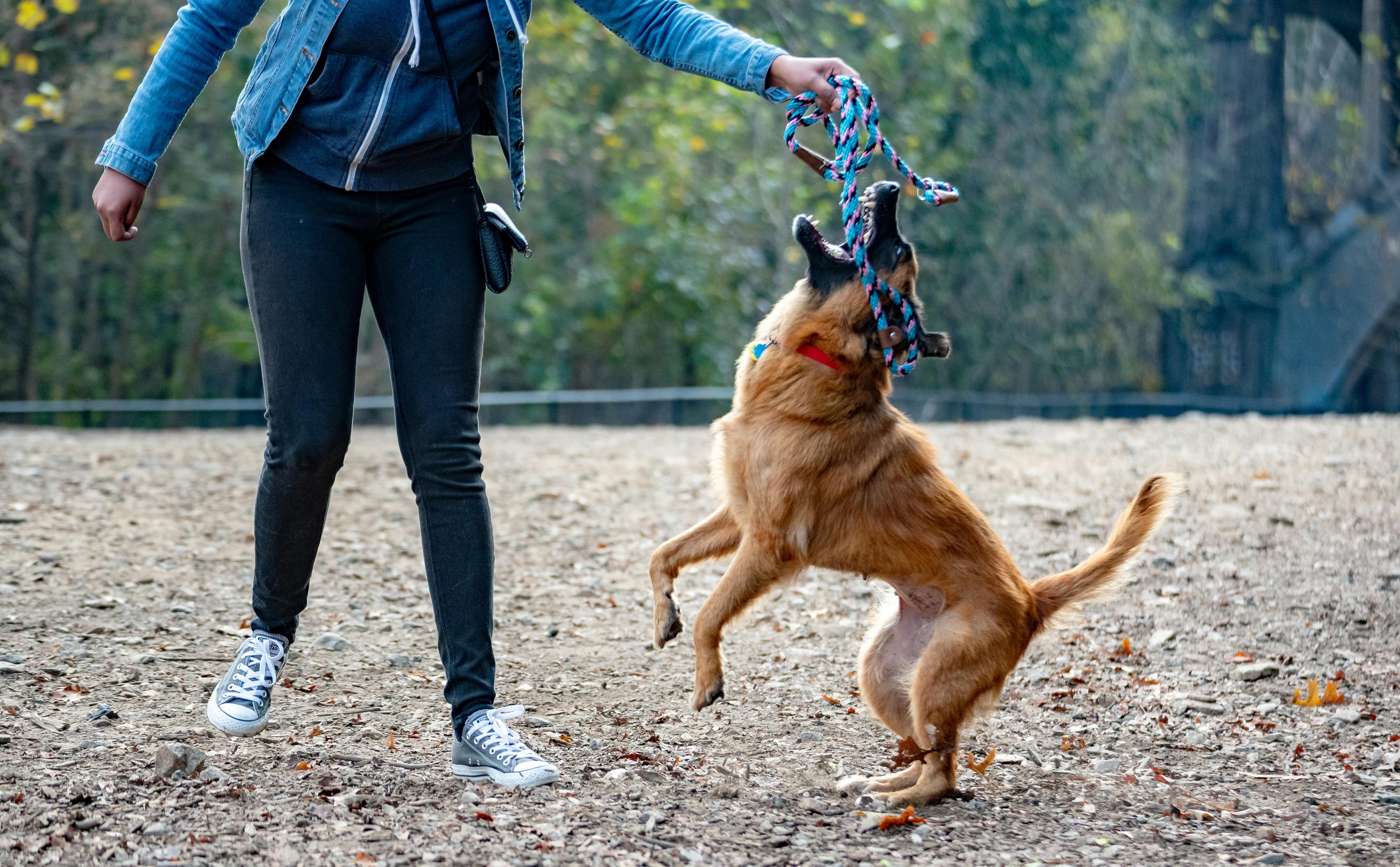
Dog behavior challenges are common for Los Angeles pet owners. Professional behavior services give a structured training plan that improves obedience, reduces problem behaviors, and strengthens the owner–dog bond. This article summarizes the benefits of professional training, outlines services at Topanga Pet Resort , and explains practical steps owners can take to address common issues.
What Are the Key Benefits of Professional Dog Training in Los Angeles?
Professional training improves behavior, owner communication, and public safety. Key benefits include:
- Better Behavior: Corrects undesirable actions and creates a calmer home.
- Stronger Relationship: Builds clear communication and trust between dog and owner.
- Safer Outings: Makes dogs easier to manage in public, lowering the risk of incidents.
These results illustrate the value of investing in tailored behavior services like those offered by Topanga Pet Resort.
How Does Expert Training Improve Dog Obedience and Behavior?
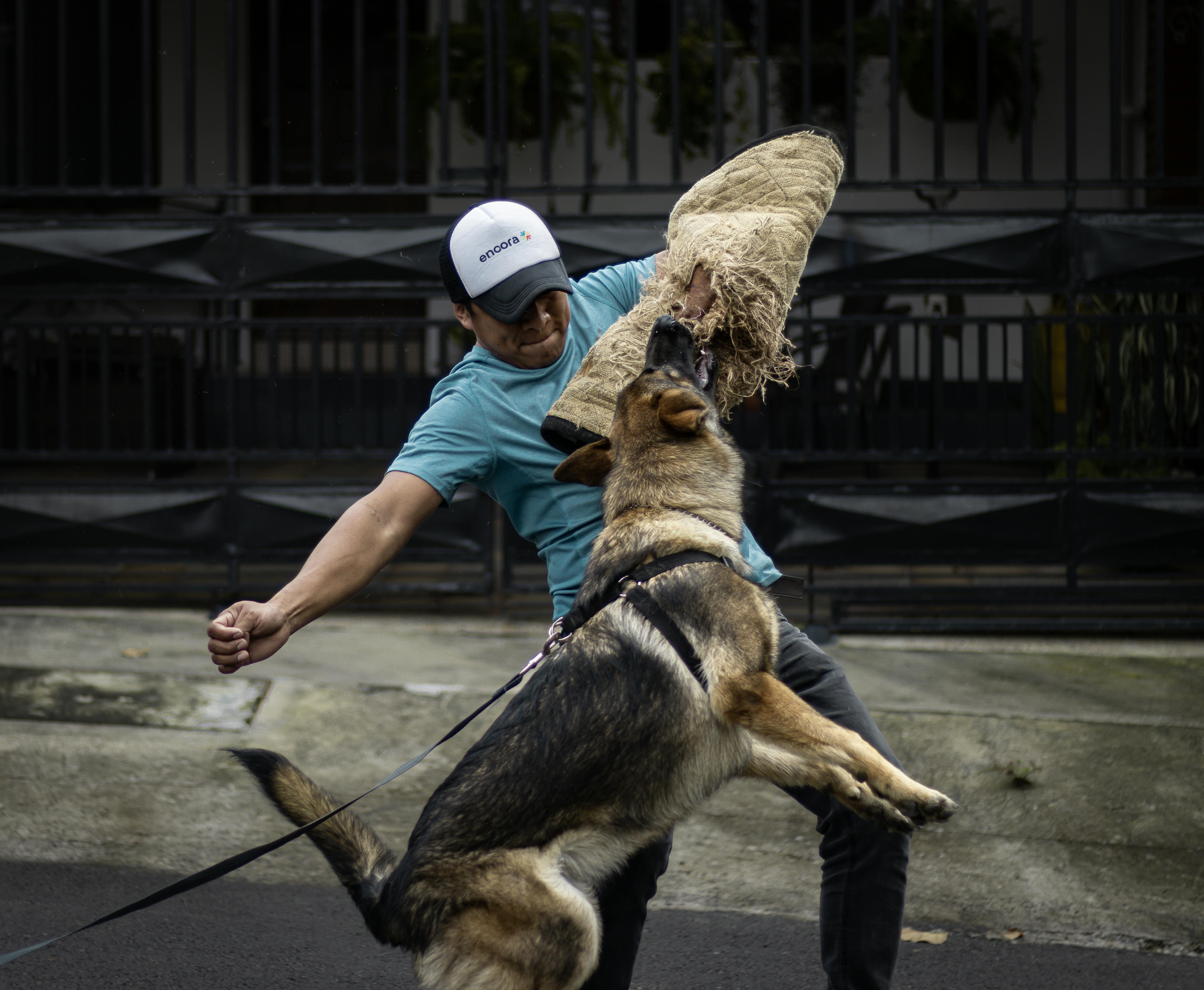
Expert trainers use targeted techniques, consistent reinforcement, and real-world practice so dogs respond reliably across environments. Positive reinforcement—treats, praise, and play—encourages desired behaviors and keeps training rewarding for both dog and owner.
Evidence supports using reward-based methods to achieve obedience goals while protecting canine welfare.
Positive Reinforcement for Effective Dog Obedience
Historically, pet dogs were trained using mainly negative reinforcement or punishment, but positive reinforcement using rewards has recently become more popular. The methods used may have different impacts on the dogs’ welfare. We distributed a questionnaire to 364 dog owners in order to examine the relative effectiveness of different training methods and their effects upon a pet dog’s behaviour. When asked how they trained their dog on seven basic tasks, 66% reported using vocal punishment, 12% used physical punishment, 60% praise (social reward), 51% food rewards and II% play. The owner’s ratings for their dog’s obedience during eight tasks correlated positively with the number of tasks which they trained using rewards (P< 0.01), but not using punishment (P = 0.5).
Dog training methods: their use, effectiveness and interaction with behaviour and welfare, 2004
Why Choose Local Trainers with Specialized Behavior Solutions?
Local trainers understand Los Angeles-specific stressors and environments. They offer immediate feedback, personalised instruction, and structured socialisation so owners can apply techniques correctly and progress faster.
Which Dog Training Services Does Topanga Pet Resort Offer?
Topanga Pet Resort offers specialized programs to meet common owner needs. Core services include:
- Family Dog Training: Basic obedience and solutions for everyday behavior problems.
- Aggressive Dog Training: Targeted plans for dogs showing aggression, emphasizing safety and behavior change.
- Protection Dog Training: Advanced training focused on discipline and reliability for protection work.
What Are the Features of Family Dog Training Programs?
Family training emphasises positive learning and practical skills. Key features:
- Experienced Trainers: Skilled in reward-based approaches and practical behavior work.
- Real-Life Situations: Sessions use everyday scenarios to generalize skills.
- Individualized Plans: Programs address each dog’s specific challenges.
How Do Aggressive and Protection Dog Training Programs Work?
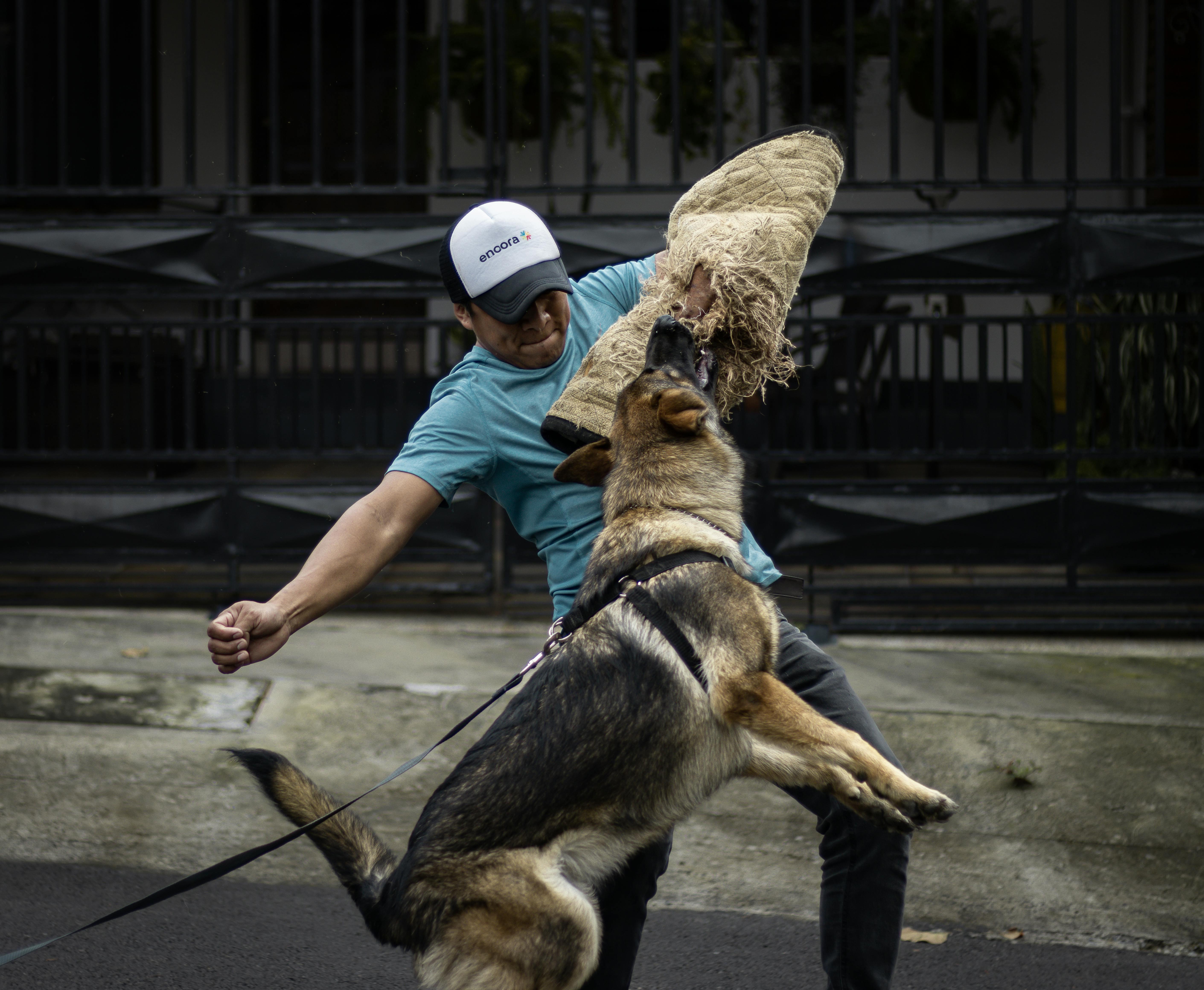
Aggressive and protection programs use a structured protocol to change behavior and build reliable skills. They focus on safe, incremental progress and measurable objectives.
- Training Methods: Desensitization and counter-conditioning reduce reactivity.
- Objectives: Produce a well-adjusted dog that responds appropriately to stimuli.
- Expected Outcomes: Improved behavior and greater owner confidence.
How Can Los Angeles Dog Owners Address Aggression and Behavioral Challenges?
Successful intervention begins with identifying underlying causes (fear, territoriality, etc.). Evidence-based approaches—consistent cues, structured exercises, and reward-based methods—help manage triggers. When needed, professional assessments by trainers or behaviorists refine plans and ensure safety.
What Techniques Are Used in Aggressive Dog Behavior Modification?
Core techniques for aggression modification include:
- Desensitization: Controlled, gradual exposure to reduce fear or reactivity.
- Counter-Conditioning: Replacing a negative emotional response with positive associations.
- Impulse Control Training: Exercises that teach self-control and consistent responses.
Canine aggression is complex; effective plans are tailored and monitored over time.
Professional Dog Trainer Insights on Aggression & Behavior Modification
Aggressive behaviors in dogs during on-lead walks pose significant welfare concerns for both pets and their owners, yet effective interventions remain under-researched. This study gathered insights from ten professional dog trainers in Australia, revealing their views on causes of on-lead dog-directed aggressive behaviour and their varied recommendations for behaviour modification. The findings stress addressing underlying emotions, managing the environment, and building foundational skills before controlled exposures to other dogs.
Exploring trainer insights and understanding of on-lead dog aggressive behaviours and behavioural modification advice, T Howell, 2025
How Long Does Professional Behavior Training Typically Take?
Duration varies with age, temperament, and issue severity. Many owners see noticeable improvements within 8–12 weeks of consistent work; persistent, long-standing behaviors can take longer and require ongoing management.
What Should Clients Expect When Booking Professional Dog Training in Los Angeles?
Expect a structured process starting with an initial consultation to assess behavior and set goals. Trainers provide a clear plan outlining methods, estimated duration, and costs.
How Are Personalized Consultations Conducted for Tailored Training Plans?
Consultations at Topanga Pet Resort follow a simple sequence:
- Booking a Consultation: Schedule a session to discuss your dog’s needs.
- Assessment Process: Trainers evaluate behavior and identify priorities.
- Tailored Training Plan: A customized plan is created with practical steps for owners to follow.
What Safety and Care Measures Ensure Positive Training Outcomes?
Safety and attentive care are essential. Key protocols include:
- Initial Evaluation: Health and behavior checks before training begins.
- Positive Reinforcement Techniques: Reward-based methods to promote learning and welfare.
- Structured Training Environment: Controlled sessions that minimise risk and distractions.
For owners facing challenging behaviors, aggressive dog training offers specialized approaches. For general household manners, family dog training programs provide practical solutions, while protection dog training supports advanced needs.
Frequently Asked Questions
What qualifications should I look for in a professional dog trainer?
Look for experience, clear references, and a reward-based philosophy. Certifications from recognized bodies (for example, APDT or IAABC) and experience with your specific concerns are useful indicators.
How can I prepare my dog for training sessions?
Ensure your dog is rested and not overexcited. A short walk beforehand and high-value treats or toys help focus motivation. Keeping a consistent routine reinforces session work.
What should I do if my dog doesn’t respond to training?
Check for distractions, stress, or low motivation and confirm reinforcement is timely. If progress stalls, request a professional reassessment to adapt the plan.
Are there specific breeds that require different training approaches?
Yes. Breed tendencies influence training needs—herding breeds often need more mental stimulation; some small companion breeds may respond best to gentle, reward-based work. Seek trainers with breed-specific experience when relevant.
How can I reinforce training at home?
Be consistent with commands, run short daily practice sessions, and reward progress. Practice in varied environments so skills generalize outside sessions.
What are the signs that my dog is ready for advanced training?
Signs include reliable basic obedience, eagerness to participate, and calm focus amid distractions. Persistent issues that need specialized work—such as aggression—may also indicate readiness for advanced programs.
Conclusion
Investing in professional dog training in Los Angeles can improve behavior, strengthen bonds, and make life with your dog safer and more enjoyable. Tailored programs from experienced trainers at Topanga Pet Resort address common challenges and teach owners practical skills for lasting results. Reach out for a consultation to create a plan that fits your dog and your lifestyle.