
- Home
- Dog Counter Surfing
Dog Digging Up the Yard Causes and Sustainable Solutions
If you walk outside and find another hole in your yard, destroyed garden beds, or dirt scattered across your landscaping, you’re probably wondering why your dog keeps digging.
A dog that digs in the yard is not always being stubborn or trying to ruin your outdoor space.
Digging is a natural canine behavior. The challenge begins when normal instincts turn into a daily problem that damages your property, creates escape risks, or leads to complaints from neighbors.
Some dogs dig because they are bored. Others dig because they are searching, hunting, cooling themselves down, releasing energy, or trying to escape an environment that feels stressful.
The solution is not simply filling holes every weekend.
You need to understand why your dog is digging in the first place.
At Topanga Pet Resort, we focus on the behavior behind the action. Our trainers evaluate each dog’s personality, routine, energy level, and environment to create practical training solutions that improve everyday behavior.
With structured activity, individualized training, and professional guidance, we help dogs develop healthier outlets for their natural instincts.
119+
Yelp Reviews
132+
Google Reviews
6
Certified Trainers
119+
Yelp reviews
132+
Google Reviews
6
Certified Trainers

119+ reviews

132+ reviews
6
Certified Trainers
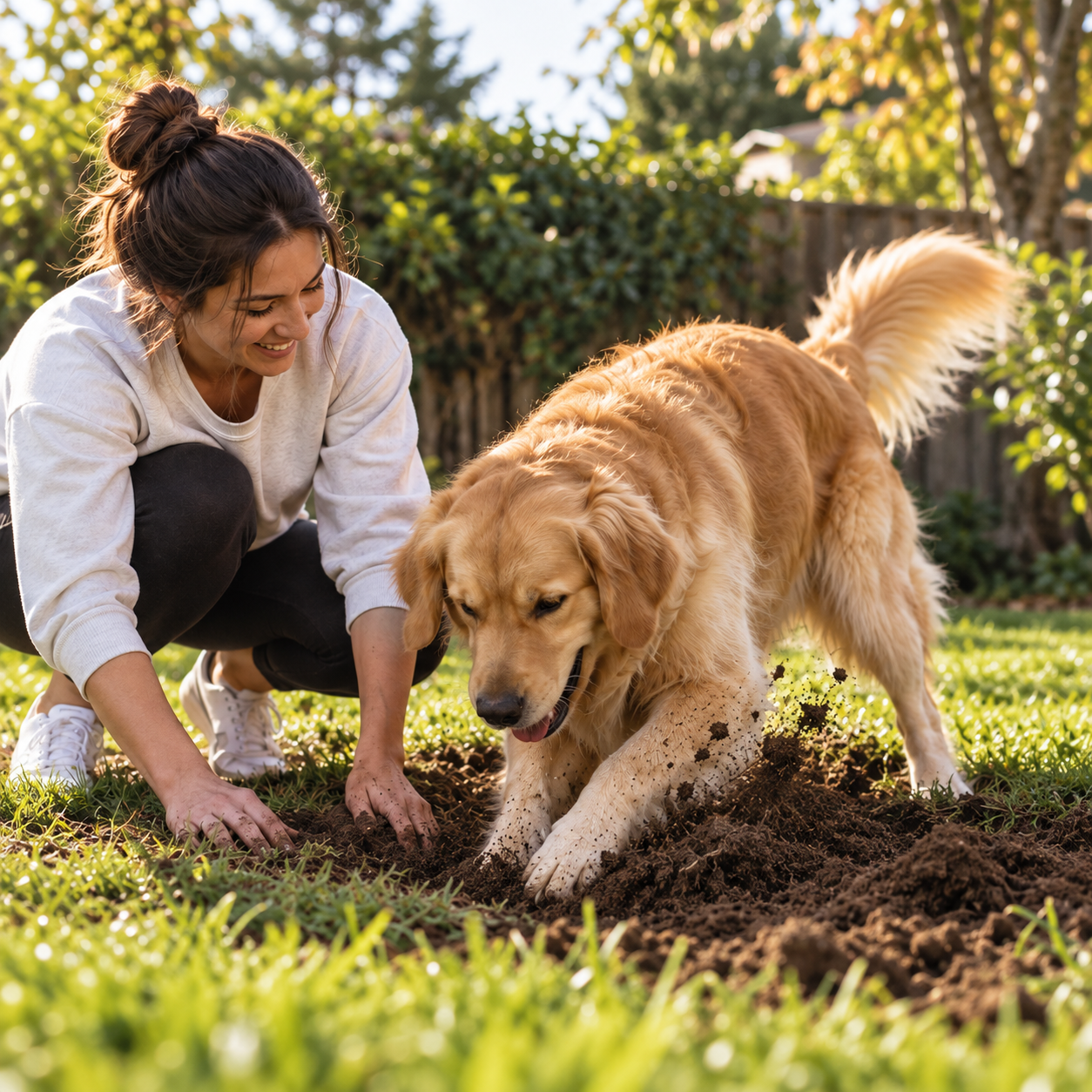
Why Dogs Dig: Multiple Possible Causes
Digging can look like one problem, but the reason behind it can be completely different from dog to dog. Two dogs can leave the same hole in the same garden bed, one out of boredom and the other while trying to get under the fence. Because the damage looks the same, the cause is easy to miss, and a fix that works for one dog may do nothing for another.
How to Identify Your Dog's Specific Reason for Digging
Before trying random fixes, look at the pattern.
Diagnostic Signs That Reveal the Cause
Ask yourself:
- Where does your dog usually dig?
- Does digging happen only when your dog is alone?
- Does your dog dig near fences or gates?
- Does digging happen after long periods without activity?
- Does your dog appear excited, frustrated, or anxious while digging?
- Does your dog stop after receiving attention or activity?
- Is your dog digging specific areas repeatedly?
The location and timing often reveal important clues.
A dog digging in one shady corner during hot afternoons may have a different motivation than a dog repeatedly digging along the fence line trying to escape.
Why Some Dogs Dig Even With Plenty of Exercise
Many owners say:
“My dog gets walks every day. Why are they still destroying my yard?”
The answer is that exercise and fulfillment are not always the same thing.
Instinct vs. Energy
A dog can be physically tired and still have strong behavioral needs.
Running in the yard may burn energy, but it does not always satisfy:
- curiosity
- problem solving
- scent exploration
- breed-specific instincts
- training needs
- social needs
For some dogs, digging is not about having too much energy.
It is about having an outlet for natural behaviors.
A balanced routine usually includes physical activity, mental stimulation, training, and appropriate ways to explore.
Boredom, Hunting, Cooling, and Escape
Some of the most common reasons a dog digs include:
Boredom
Dogs need more than physical exercise. Without enough mental stimulation, problem-solving activities, or structured engagement, some dogs create their own entertainment. For many dogs, digging becomes a rewarding activity because it provides something interesting to do.
Natural hunting instincts
Certain breeds have stronger digging instincts because they were historically developed for hunting or searching underground animals. Terriers and other high-drive dogs may find digging especially rewarding because it connects with their natural behaviors.
Cooling down
Dogs may dig into cool soil during warmer weather because the ground underneath can provide relief from heat.
Escape attempts
Some dogs dig near fences because they want to explore, follow something outside the yard, find another animal, or reach a more interesting environment. Escape digging requires special attention because it can create safety risks.
Anxiety or stress
Some dogs dig as a repetitive coping behavior when they feel anxious, frustrated, or overwhelmed. Understanding the cause determines the solution.
Management Strategies That Actually Help Stop Dog Digging
Training takes time.
In the meantime, management prevents your dog from repeatedly practicing the behavior.
Target Solutions Based on the Cause
Helpful strategies may include:
For boredom-related digging:
- increase structured activities
- add puzzle-based enrichment
- provide training sessions
- create more opportunities for mental stimulation
For fence digging:
- block access to common digging areas
- reinforce boundaries
- identify what your dog is trying to reach
- improve supervision
For heat-related digging:
- provide shade
- offer cool resting areas
- make sure fresh water is available
For hunting behaviors:
- redirect natural searching instincts into appropriate games
- use scent activities
- provide supervised enrichment
For escape behaviors:
- address the reason behind the escape attempt
- improve management immediately
- consider professional evaluation if anxiety is involved
The goal is not just stopping the hole.
The goal is replacing the behavior with something more appropriate.
Should You Give Your Dog a Designated Digging Area?
For some dogs, especially dogs with strong digging instincts, a designated digging area can be useful.
Instead of fighting the instinct completely, you can create an acceptable outlet.
A digging area can:
- reduce damage to landscaping
- give your dog a controlled activity
- satisfy natural behaviors safely
However, this approach works best when combined with training and supervision.
A dog that already destroys the entire yard may need more than simply adding a sandbox.
Why Punishment Usually Does Not Fix Digging
Finding a destroyed garden bed can be frustrating.
But punishing your dog after discovering the damage usually does not solve the problem.
The Behavior Already Happened
Dogs do not understand delayed punishment the same way humans do.
Your dog may not connect your reaction with the hole they dug earlier.
Instead, they may learn that your presence around the yard creates stress or that digging becomes something to do when nobody is watching.
A better approach is:
- prevent repeated practice
- identify the motivation
- teach alternative behaviors
- reward appropriate choices
When Digging Signals a Bigger Problem
Not every hole in the yard is a serious behavior issue.
But some digging patterns deserve closer attention.
Escape Attempts or Anxiety
Professional guidance may be helpful if your dog:
constantly digs along fencesdamages gates or barriers
attempts to escape
digs only when left alone
shows signs of panic
combines digging with barking, pacing, or destruction
cannot settle without constant activity
How Professional Training Helps With Yard Digging
Digging problems often improve faster when the dog learns better habits in a structured environment.
Foundation Skills Approach
Professional training can help develop:
- impulse control
- obedience skills
- better responses to distractions
- calm behavior
- structured routines
- appropriate outlets for energy
The goal is not to eliminate everything natural about your dog.
The goal is helping your dog understand when and where certain behaviors are appropriate.
How Professional Training Eliminates Counter Surfing Long Term
Counter surfing is often part of a bigger training picture.
A dog that steals food may also struggle with:
- jumping on guests
- poor impulse control
- ignoring commands around distractions
- excessive excitement
- difficulty settling
Daycare as a Sustainable Solution for Some Digging Problems
For many dogs, yard destruction happens because they need more activity, stimulation, or social interaction during the day.
Mental and Physical Outlet
A structured daycare environment can provide:
- supervised play
- exercise
- social opportunities
- routine
- enrichment
- professional supervision
At Topanga Pet Resort, dogs enjoy 5 to 6 hours of supervised playtime in spacious outdoor exercise areas designed to provide healthy activity and engagement.
For dogs whose digging comes from boredom or excess unused energy, a structured day can reduce the motivation to create their own entertainment at home.
However, daycare is not a replacement for addressing anxiety or escape-related behaviors. Each dog needs an approach based on the real cause.
Why Topanga Pet Resort Helps Dogs With Behavior Challenges
Topanga Pet Resort provides dog boarding and training services in Los Angeles from our peaceful location in Topanga Canyon.
We serve families throughout Woodland Hills, Calabasas, Malibu, Santa Monica, Pacific Palisades, Sherman Oaks, Westwood, and nearby communities.
Our team combines professional training with a structured environment designed around each dog’s needs.
With:
50+
50+ Years of Combined Experience
6
Certified trainers
5–6
Hours of Supervised Play
6.5
Acres to explore
Our facility provides a balanced routine with premium care, supervised activity, and structured training opportunities. Dogs benefit from a large indoor and outdoor environment with 5 to 6 hours of supervised playtime in spacious outdoor exercise areas, helping support physical activity, confidence, and better daily behavior.
For counter surfing, the solution is not simply keeping food away forever.
It is teaching your dog the skills needed to make better choices around temptation.
Comprehensive dog boarding & training at Topanga Pet Resort
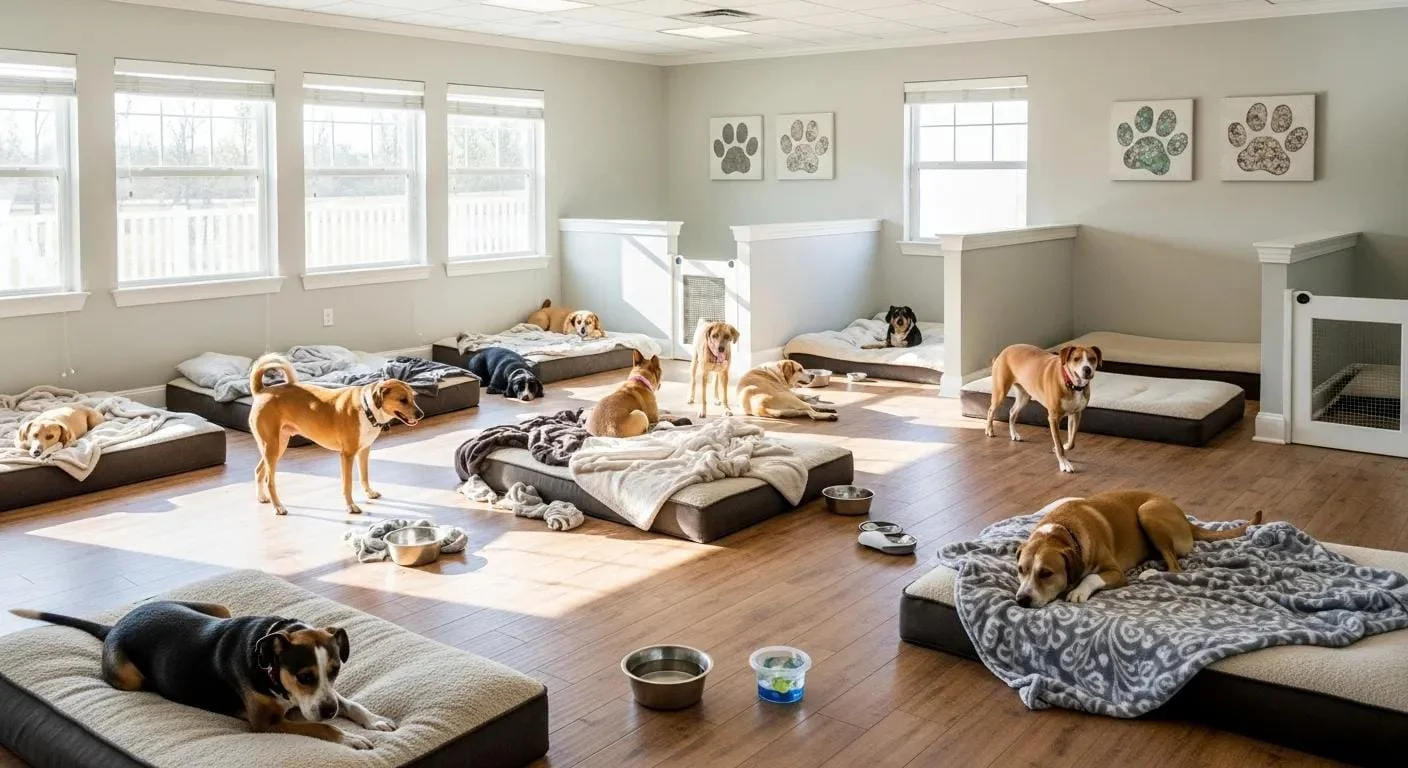
Dog Boarding
Offers a comfortable and safe overnight stay with attentive 24/7 care to make your pet feel right at home.
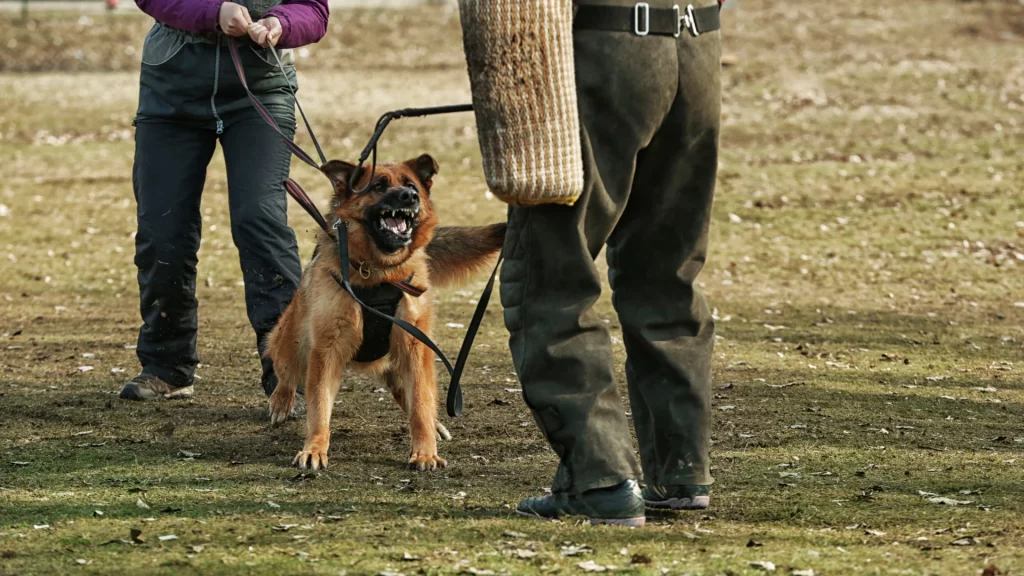
Board & Train
Combines immersive boarding with structured training to instill reliable real-world obedience and good habits.

Puppy Training
Covers housebreaking, biting, and basic obedience to build a strong foundation for a well-behaved dog.
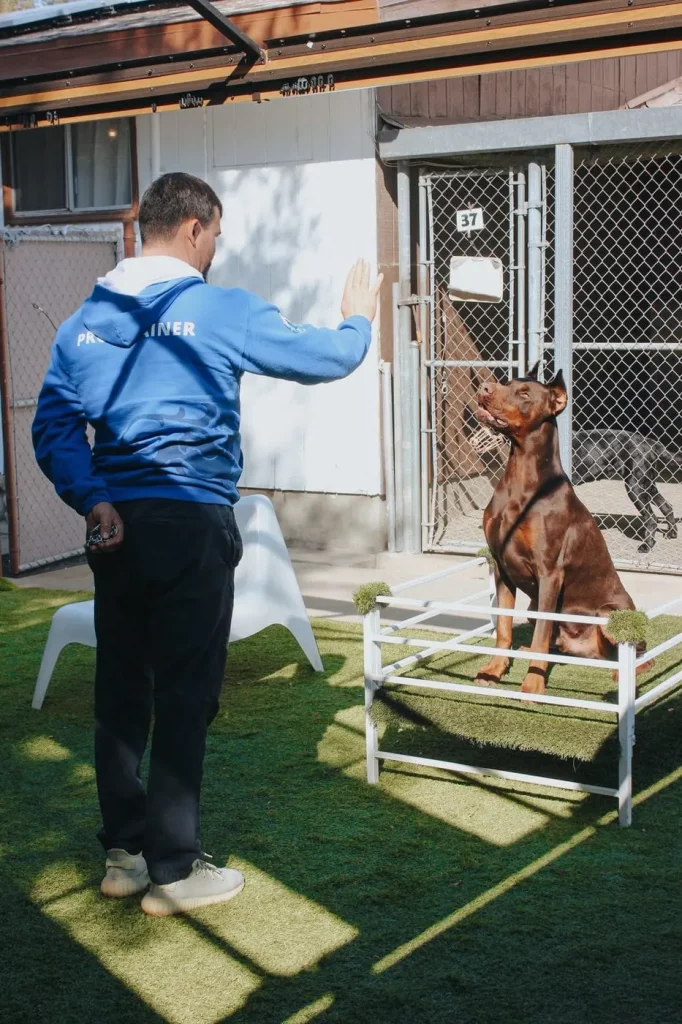
Obedience & Behavior Modification
Provides expert behavioral modification to safely manage triggers, eliminate dangerous reactivity, and build reliable control in public spaces.

Daycare / Grooming
Provides supervised daytime play and professional grooming services to keep your dog happy and clean.
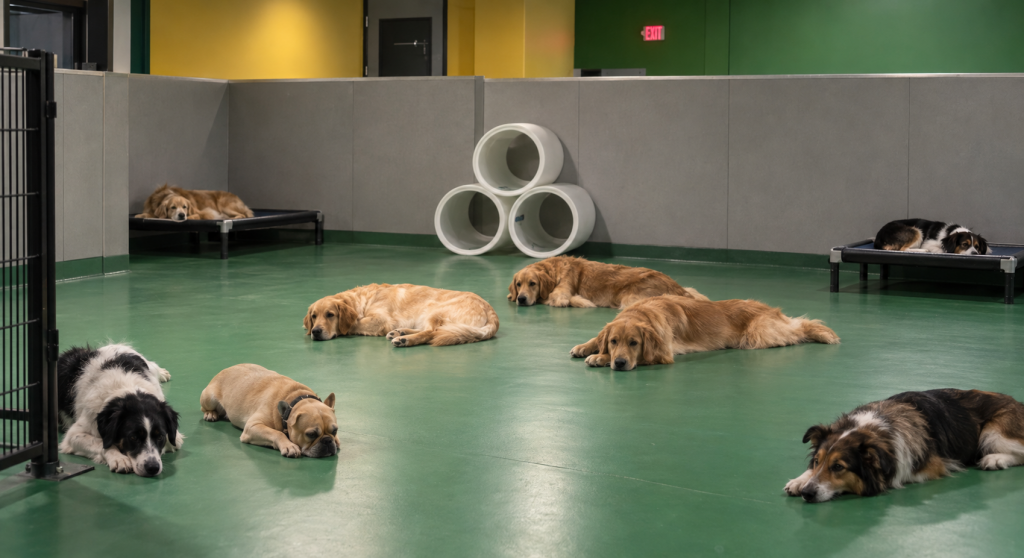
Dog Boarding
Enjoy comfortable overnight boarding with attentive care, private accommodations, and plenty of supervised activity.
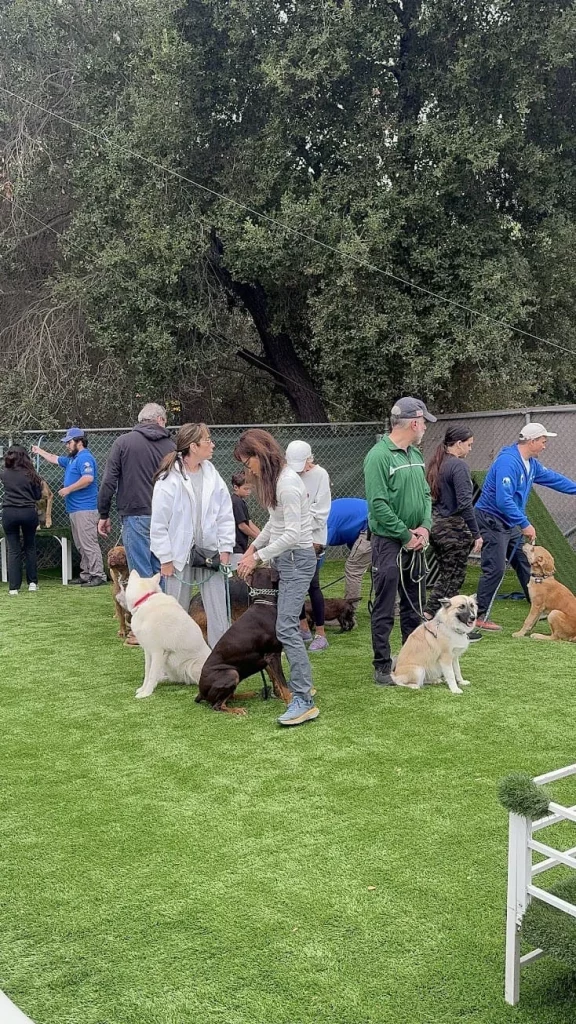
Board & Train
Combines comfortable boarding with structured training to build reliable real-world obedience and better everyday habits.

Puppy Training
Builds a strong foundation through house training, bite inhibition, socialization, and basic obedience.
Obedience & Behavior Modification
Addresses reactivity and challenging behaviors through structured training, trigger management, and reliable real-world obedience.
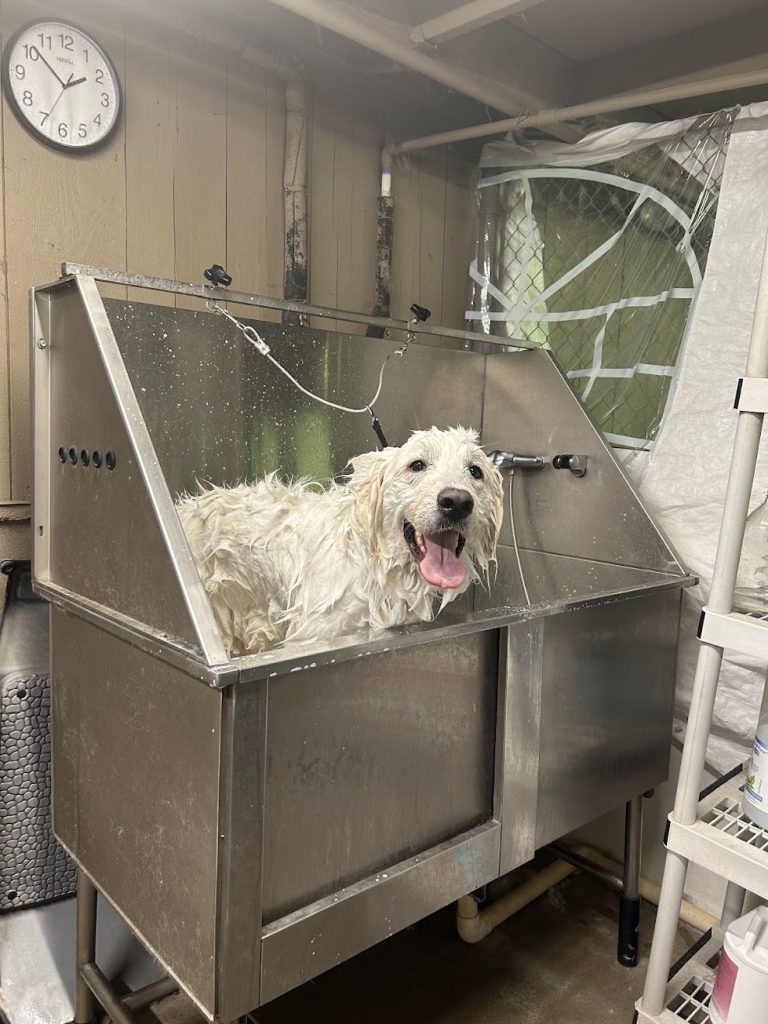
Daycare & Grooming
Combines supervised daytime activity with professional grooming and bathing services to keep your dog comfortable, active, and well cared for.
What Dog Parents Are Saying
EXCELLENTTrustindex verifies that the original source of the review is Google. This is the best dog camp my dogs love coming here. The staff are very professional.Posted on GoogleTrustindex verifies that the original source of the review is Google. What a place! My wife and I visited a dear friend's dog at Topanga Pet Resort this past weekend. When we encountered Ivy, a precious 2 year old Pitty, she seemed very relaxed and well fed. We found the boarding facility to truly feel like a resort. The surrounding trees and ample greenery make the place very serene. All the dogs that were being housed and those who were coming in for training seemed genuinely happy to be there. Additionally, we met a couple of the trainers during our visit there and they were extremely knowledgeable and compassionate towards their canine friends. If you need a place to take your furry friend, Topanga Pet Resort is the place!Posted on GoogleTrustindex verifies that the original source of the review is Google. Our experience with Topanga Pet Resort was absolutely amazing. We were thoroughly impressed with how they handled everything from start to finish. The staff was kind, professional, attentive, and genuinely cared about our pet’s comfort and well-being. The facility was clean, organized, and gave us peace of mind the entire time. Communication was excellent, and it was clear our pet was being treated with love and attention. It’s hard to find a place you can fully trust with your fur baby, but this team truly exceeded expectations. We will definitely be returning and highly recommend them to anyone looking for quality pet care!Posted on GoogleTrustindex verifies that the original source of the review is Google. This is my 2nd time using them. First time was for 6 weeks and it went so well I went back for a 3 week stay for my two dogs. They are great at training puppy's, taking care of my big dog, and most importantly training my wife on how to walk a dog ;)Posted on GoogleTrustindex verifies that the original source of the review is Google. We boarded our first dog for over 15 years when we were out of town. We're excited to begin boarding/ training there with our new rescue puppy.Posted on GoogleTrustindex verifies that the original source of the review is Google. They did such a great job! My daughters dog had been so consistent since his training! Well worth the money!Posted on GoogleTrustindex verifies that the original source of the review is Google. Amazing place to take your pet! We met with them for a meet and greet since our dog is pretty nervous around new people and has never been left, but they did everything they could to make sure he was comfortable, didn’t push his boundaries and took their time thoroughly answering all of our questions! They do a great job of meeting every individual pup’s needs and have excellent trainers on the property at all times! I can definitely feel good about bringing my dog here for boarding ❤️ prices are also very reasonable and they give lots of outside timePosted on GoogleTrustindex verifies that the original source of the review is Google. Topanga Pet Resort — absolute love???? I can say with full confidence: these people REALLY know what they’re doing. I’ve left my dog Chuck there several times, and every time he comes home happy, calm, and full of good energy — like he spent time with friends, not just in a boarding facility. They don’t just watch the dogs, they train them, guide them, and do it with heart. You can feel how much respect and care they give to every animal. We also use their grooming regularly, and Chuck always comes out looking like a handsome glossy boy — fresh, clean, and proud of himself. I fully trust them. This place is honestly the best thing I’ve found for my dog. Thank you for caring for Chuck as if he were your own. ❤️❤️❤️Posted on GoogleTrustindex verifies that the original source of the review is Google. We have had our dog stay here for several week long stays and have had good experiences! They have a large outdoor area for the dogs to play. They also can accommodate any food requirements and special servicesVerified by TrustindexTrustindex verified badge is the Universal Symbol of Trust. Only the greatest companies can get the verified badge who has a review score above 4.5, based on customer reviews over the past 12 months. Read more
See Exactly What Boarding & Training Costs
Boarding rates, Board & Train packages, and add-ons — all clearly outlined.
Frequently Asked Questions
Everything you need to know before your dog’s first stay or Training Assessment.
Have questions? Give us a call
+1 888-818-1622
How do I stop my dog from digging under the fence?
Start by making the fence line harder to dig. Bury wire mesh along the base, bent inward in an L shape, or line the base with large rocks or pavers. Then find out what your dog is trying to reach, like another dog, wildlife, or activity outside. Supervise yard time until the escape attempts stop.
Which dog breeds are most likely to dig?
Breeds developed to hunt underground animals, like terriers, dachshunds, and beagles, often have strong digging instincts. Northern breeds, like huskies and malamutes, may dig to create cool resting spots. Any dog can dig, though, and breed is only one factor. Boredom, heat, and anxiety affect digging in every breed.
Do home remedies like rocks, pepper, or filling holes with poop work?
They may stop digging in one spot, but they rarely solve the problem. Most dogs simply start digging somewhere else, because the reason for digging hasn’t changed. Cayenne pepper and similar sprays can irritate your dog’s eyes, nose, and paws. Addressing the cause works better than making individual holes unpleasant.
How do I teach my dog to use a digging spot?
Choose one area, like a sandbox or a section of loose soil, and bury toys or treats just under the surface. Praise your dog when they dig there. If your dog starts digging elsewhere, calmly redirect them to the approved spot. Refresh the buried items often so the area stays more interesting than your garden beds.
Why does my dog eat dirt while digging?
Some dogs eat small amounts of dirt out of curiosity or boredom. Frequent dirt eating can sometimes point to a medical or dietary issue, such as an upset stomach or a nutritional imbalance. Soil can also contain fertilizer, pesticides, or parasites. If your dog eats dirt regularly, check with your veterinarian.
How can Topanga Pet Resort help my dog stop digging?
Our trainers start by identifying why your dog digs, whether it’s boredom, instinct, heat, or escape. From there, we build a plan that may include training, structured daycare with 5 to 6 hours of supervised outdoor play, and practical guidance for managing your yard at home.
Have Questions? Give Us a Call
+1 888-818-1622
Ready to Start Your Dog’s Training Program?
Have questions about our training programs? Fill out the form below and our team will get back to you shortly.
