
- Home
- Dog Nipping Biting
If your dog nips at your hands, grabs your clothes, or suddenly goes after your ankles when you walk through the house, you may be wondering whether it is normal puppy behavior or something more serious.
That distinction matters.
Puppy biting is common, but that does not mean you should simply wait for it to disappear. Dogs learn from every interaction, and a behavior that repeatedly gets attention, play, movement, or access to something they want can become a habit.
Adult dog nipping deserves even more attention, particularly when the behavior is new, painful, difficult to interrupt, or happening around children.
A dog that mouths during play is not necessarily aggressive. A dog that stiffens, growls, guards something, or bites when approached is a different situation.
At Topanga Pet Resort, we look at what happens before, during, and after the behavior rather than treating every form of nipping the same way. The goal is to identify the motivation, teach an appropriate alternative, and give you a practical way to maintain the progress at home.
With 50+ years of combined experience, 6 certified trainers, and 627 trained dogs, our team works with dogs at different ages, energy levels, and training stages.
119+
Yelp Reviews
132+
Google Reviews
6
Certified Trainers
119+
Yelp reviews
132+
Google Reviews
6
Certified Trainers

119+ reviews

132+ reviews
6
Certified Trainers
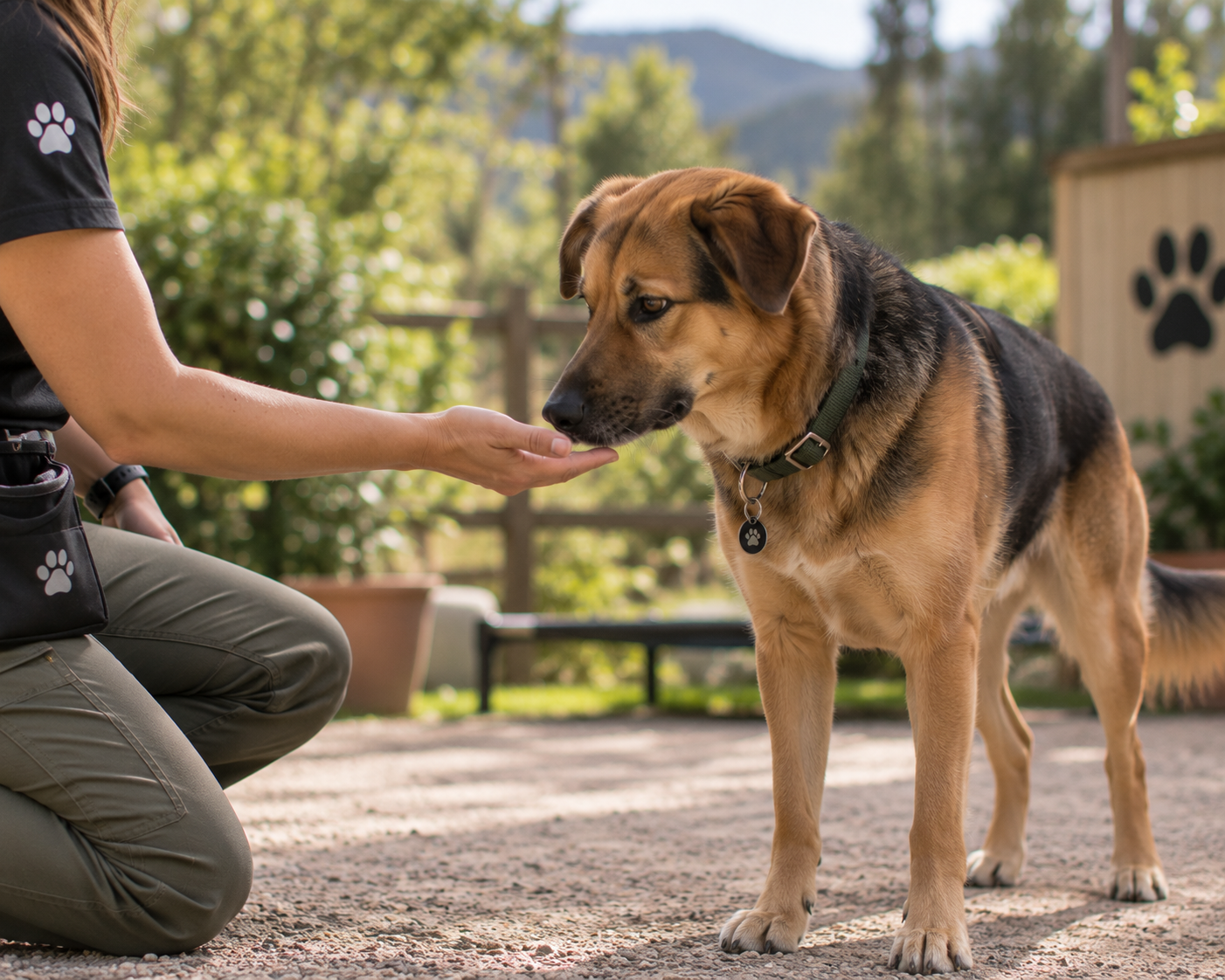
Dogs use their mouths to explore, communicate, play, and interact with their environment.
For young puppies, this is especially important because they are still learning how to control the intensity of their mouths and how their behavior affects other people.
Puppy vs Adult Causes
A puppy may nip because of:
- normal exploration
- teething
- excitement
- play
- overstimulation
- seeking attention
- frustration
- lack of impulse control
An adult dog may nip for many of the same reasons, but adult nipping can also involve fear, conflict, frustration, herding behavior, guarding, or a learned pattern that has been reinforced over time.
The context matters.
A puppy that gently mouths your hand during play is very different from an adult dog that deliberately bites when someone reaches toward their food bowl.
Puppy Biting vs Adult Dog Nipping: Critical Differences
Age changes how you should approach the problem.
Age-Specific Approach
With puppies, the focus is usually on teaching appropriate interaction before unwanted mouth behavior becomes established.
That includes:
teaching bite inhibition
redirecting onto appropriate toys
rewarding calm interaction
managing overstimulation
building impulse control
providing appropriate chewing opportunities
If your puppy biting becomes more intense when your puppy is tired or overstimulated, the answer may involve better management rather than simply correcting the puppy every time.
Adult dogs require a closer look at the history and circumstances.
If your dog has always mouthed during play, the training approach may be relatively straightforward.
If your adult dog suddenly starts nipping at hands, however, you should not assume it is simply bad manners. A change in behavior deserves attention, especially if there are other changes in appetite, movement, sensitivity, or general behavior. In those situations, discussing the change with your veterinarian may also be appropriate.
What Accidentally Encourages Nipping
One of the most frustrating parts of dog nipping is that owners can unintentionally make the behavior more rewarding.
Common Owner Reactions
Imagine your puppy grabs your sleeve.
You pull your arm away.
The puppy chases it.
You move faster.
The puppy gets more excited.
From the dog’s perspective, the interaction just became an extremely interesting game.
Another common pattern is inconsistent rules. One person allows playful mouthing, while another immediately stops interacting. The dog receives different information depending on who is holding the leash, sitting on the couch, or walking through the house.
If you want to stop dog mouthing, everyone in the household needs to respond consistently.
Avoid turning hands, feet, clothing, or ankles into exciting moving targets.
Instead, redirect the interaction toward an appropriate object or behavior and reinforce the choice you actually want.
Teaching Bite Inhibition Through a Consistent Response
The objective is not simply to tell your dog, “Don’t bite.”
Your dog needs to learn what to do instead.
Structured Protocol
A useful training sequence can include:
1. Recognize the trigger.
Notice when nipping usually begins.
2. Interrupt calmly.
Avoid turning the moment into a wrestling match.
3. Redirect.
Give the dog an appropriate activity or ask for a known behavior.
4. Reward the alternative.
Reinforce calm interaction, sitting, settling, or engagement with a toy.
5. Repeat consistently.
The same response should happen every time.
6. Manage the environment.
Prevent situations where the dog repeatedly rehearses the unwanted behavior.
Timing matters.
If your dog stops nipping and immediately receives attention, food, or play, make sure the reward is connected to the behavior you actually want.
The goal is to make calm behavior more productive than grabbing people.
Why Herding Breeds Nip at Ankles and What Works
If your dog repeatedly targets moving ankles, breed tendencies may be part of the explanation.
Breed-Specific Strategy
Herding dogs were selectively bred to notice movement and influence the movement of other animals.
A person walking quickly across the room can therefore become a very interesting target.
That does not mean an Australian Shepherd, Border Collie, Cattle Dog, or other herding breed is destined to bite ankles.
It means the training plan should account for the behavior that comes naturally to the dog.
Instead of repeatedly chasing the dog away from moving feet, give the dog a more appropriate job.
Training can include:
- impulse control
- stationary behaviors
- focus exercises
- structured play
- recall
- place training
- controlled movement around people
- appropriate outlets for high drive
For some dogs, simply adding more exercise is not enough. A high-drive dog may need structured mental work as well as physical activity.
What If Your Dog Nips During Play?
Play nipping can become a problem when the dog becomes too intense.
Excitement Needs Boundaries
Fast hand movements, roughhousing, chasing games, and wrestling can increase arousal quickly. If your dog becomes mouthy during these interactions, change the structure of the game. Use toys rather than hands. Build pauses into play. Reward your dog for disengaging. Teach your dog that play can stop and restart without grabbing people. This creates an important skill: being excited without losing control.
When Nipping Becomes a Safety Concern
Not every mouthy dog presents the same level of risk.
But you should take the behavior seriously if your dog:
- breaks the skin
- bites with increasing force
- repeatedly targets children
- lunges toward hands or feet
- growls or stiffens before biting
- guards food, toys, furniture, or people
- bites when someone tries to move or touch them
- is becoming harder to interrupt
- has caused an actual injury
Escalation Signs
A dog that nips during play is not automatically aggressive.
However, repeated painful bites, unpredictable behavior, guarding, or escalating intensity warrant professional evaluation.
Children also require special consideration. Young children often move unpredictably, make sudden noises, and may not recognize when a dog needs space.
If there is a bite history or serious concern about safety, avoid putting the dog into situations where another bite is likely while you arrange professional help.
Why Punishment Can Backfire
When a dog bites, your first reaction may be to yell, push the dog away, or physically correct the behavior.
Understandably, you want the biting to stop immediately.
But punishment does not necessarily teach the dog what behavior should replace the biting.
In some situations, harsh reactions can increase fear or conflict and make it harder to identify the reason behind the behavior.
A better training plan teaches the dog:
“Here is what I should do instead.”
That might mean sitting, moving away, engaging with a toy, going to a place, or calmly waiting for interaction.
Why Topanga Pet Resort Can Help
Topanga Pet Resort provides professional dog boarding and training in Los Angeles from our location in the scenic hills of Topanga Canyon.
We are conveniently located near Woodland Hills, Calabasas, Malibu, and Los Angeles, and serve dog owners throughout the Greater Los Angeles area, including Santa Monica, Pacific Palisades, Sherman Oaks, Westwood, and nearby communities.
50+
50+ Years of Combined Experience
6
Certified trainers
5–6
Hours of Supervised Play
6.5
Acres to explore
Our team includes 6 certified trainers and brings more than 50 years of combined experience working with dogs.
We have also helped train 627 dogs, supported by a team of 12 professionals and a facility designed around structured care, exercise, training, and supervision.
For dogs that need more than occasional correction at home, a structured environment can provide valuable opportunities to practice calm behavior, impulse control, appropriate play, and responsiveness around people.
Comprehensive dog boarding & training at Topanga Pet Resort
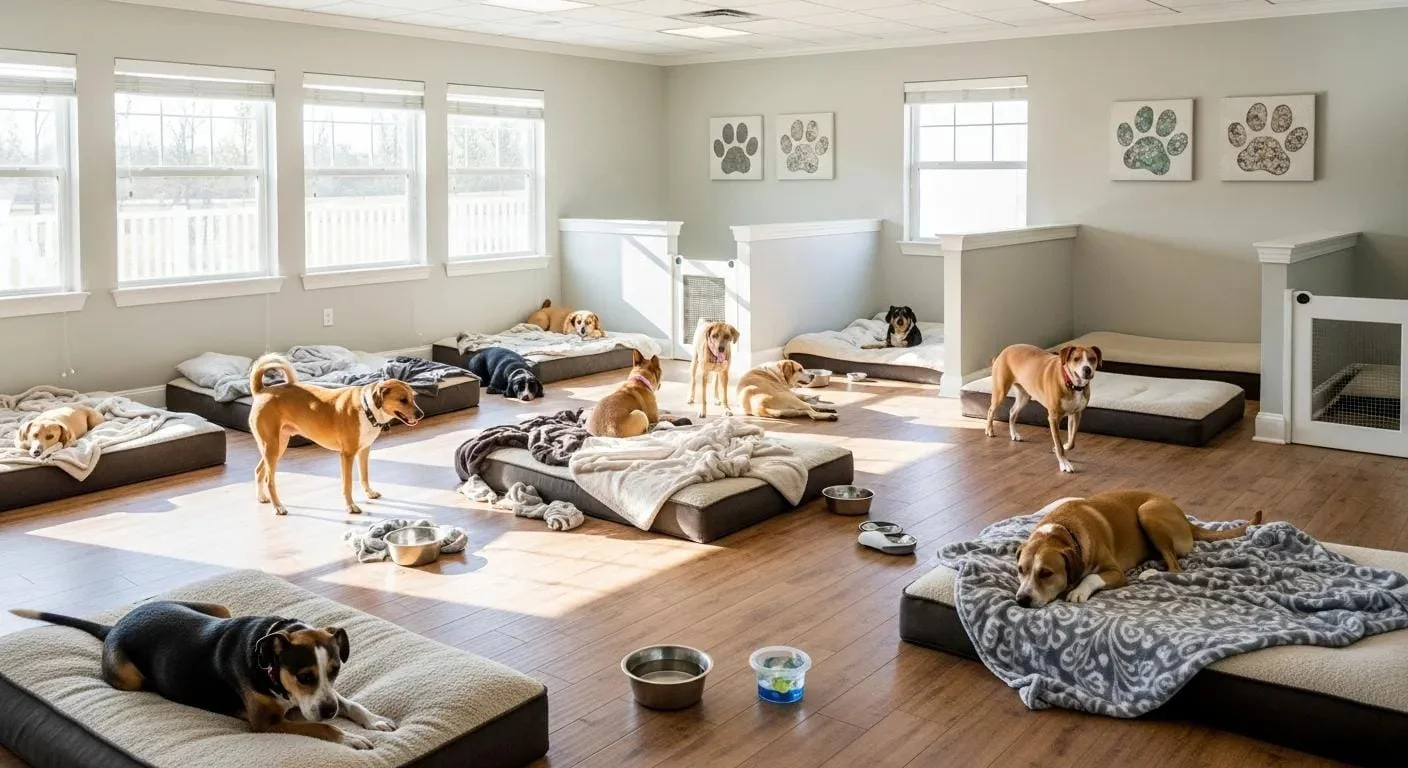
Dog Boarding
Offers a comfortable and safe overnight stay with attentive 24/7 care to make your pet feel right at home.
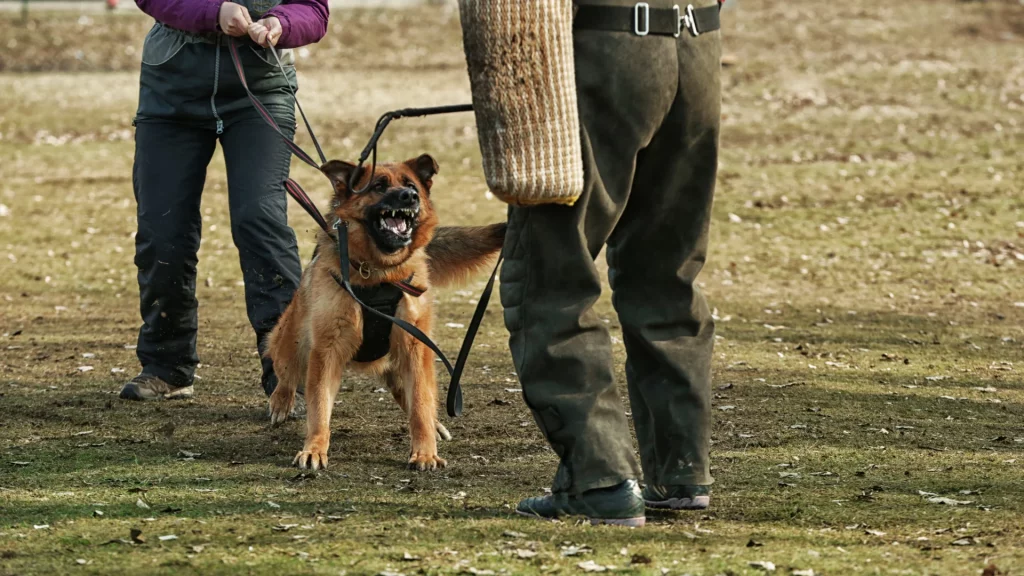
Board & Train
Combines immersive boarding with structured training to instill reliable real-world obedience and good habits.
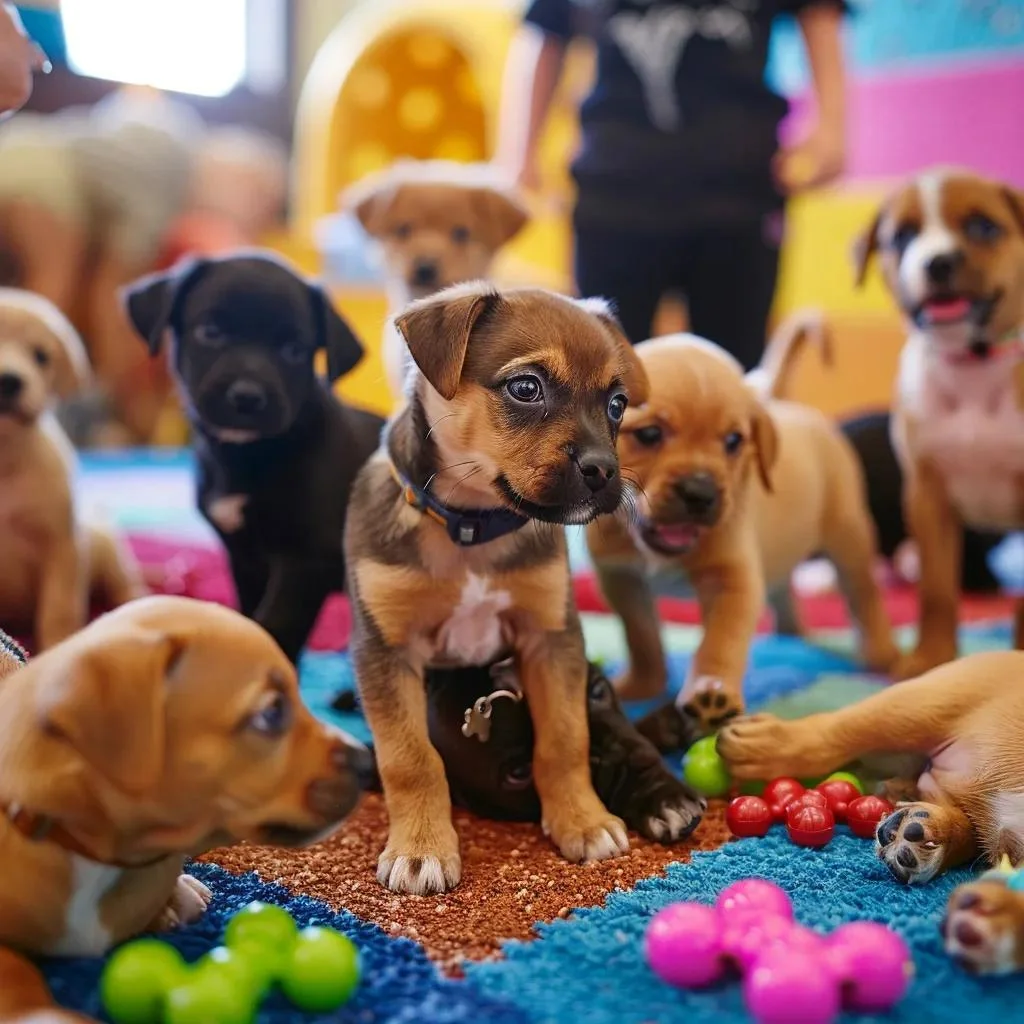
Puppy Training
Covers housebreaking, biting, and basic obedience to build a strong foundation for a well-behaved dog.
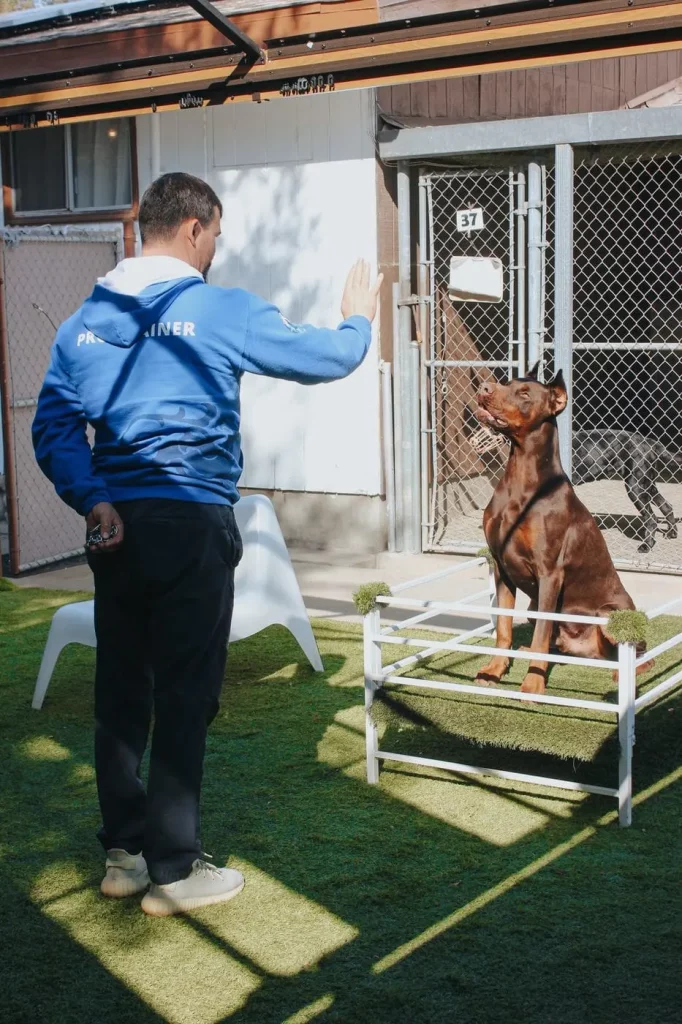
Obedience & Behavior Modification
Provides expert behavioral modification to safely manage triggers, eliminate dangerous reactivity, and build reliable control in public spaces.
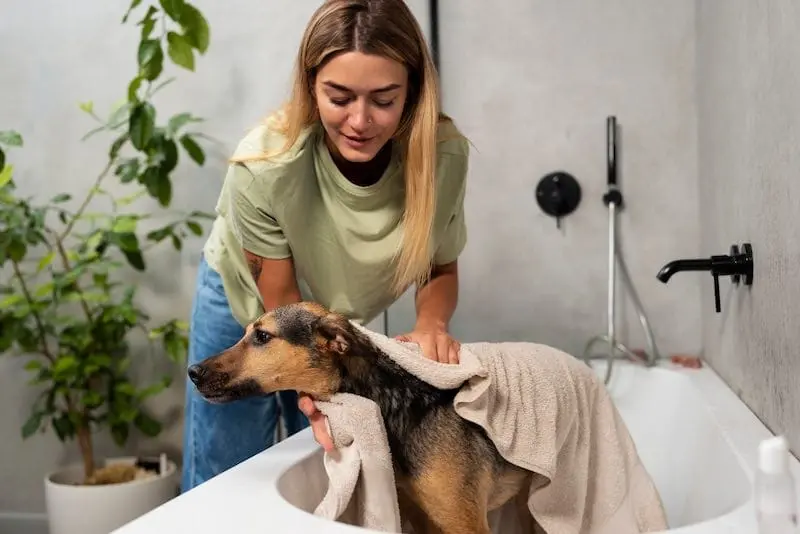
Daycare / Grooming
Provides supervised daytime play and professional grooming services to keep your dog happy and clean.
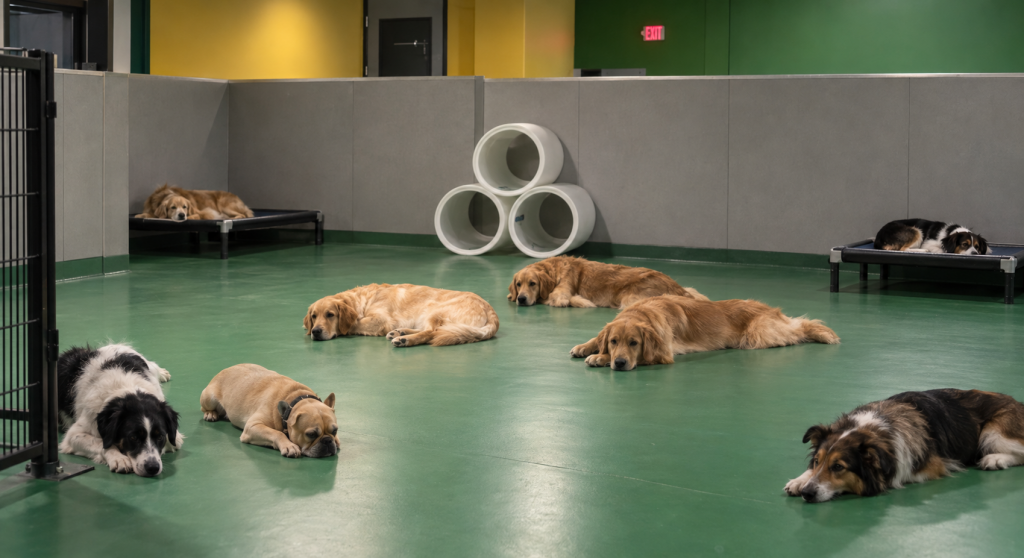
Dog Boarding
Enjoy comfortable overnight boarding with attentive care, private accommodations, and plenty of supervised activity.
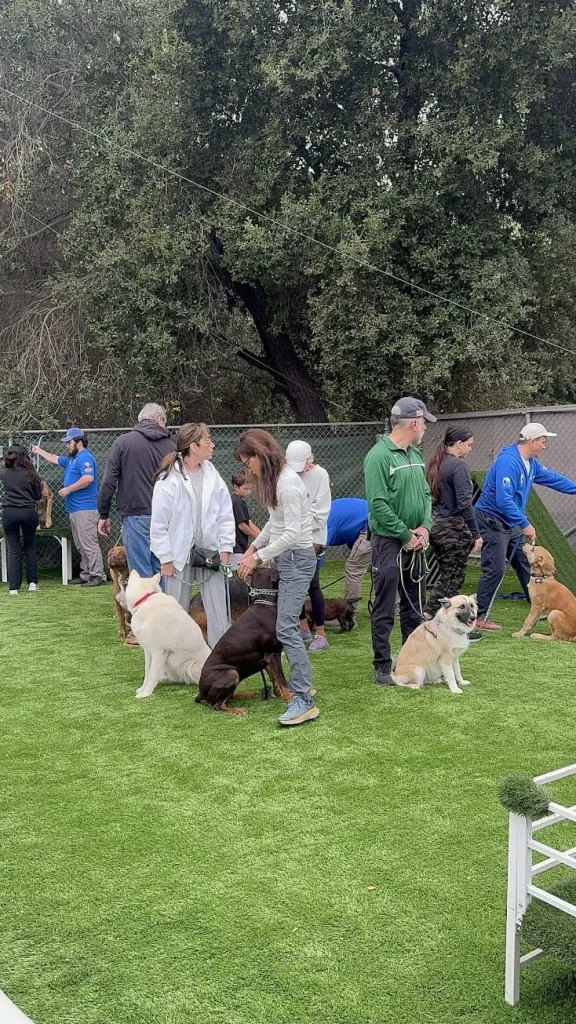
Board & Train
Combines comfortable boarding with structured training to build reliable real-world obedience and better everyday habits.

Puppy Training
Builds a strong foundation through house training, bite inhibition, socialization, and basic obedience.
Obedience & Behavior Modification
Addresses reactivity and challenging behaviors through structured training, trigger management, and reliable real-world obedience.
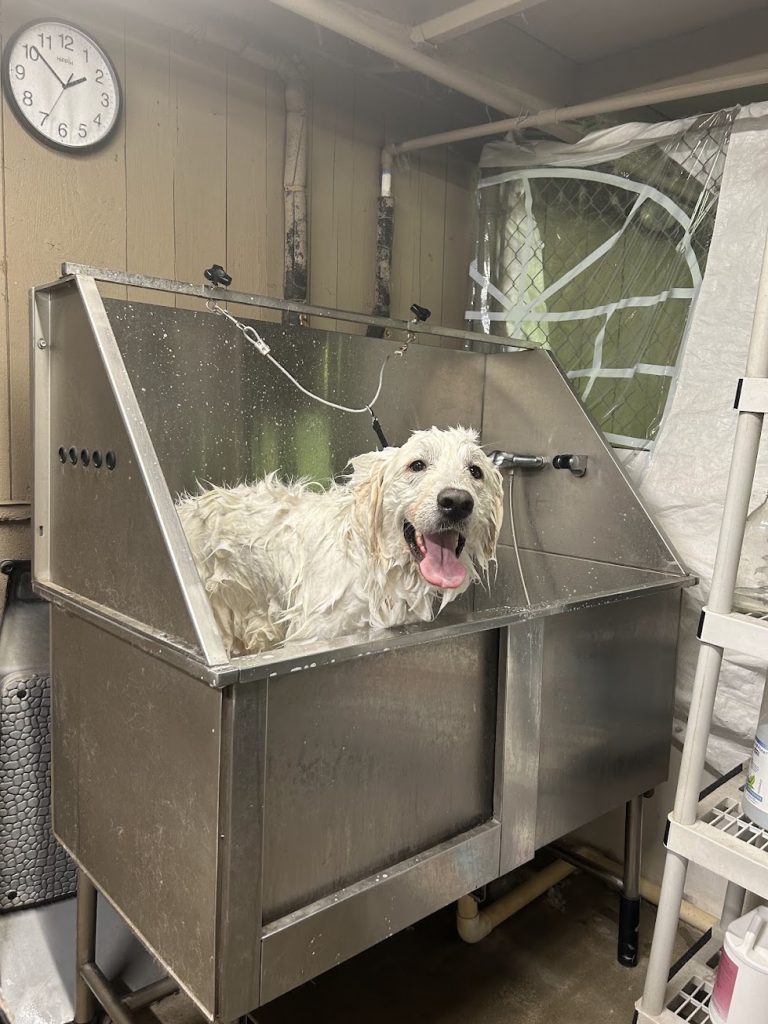
Daycare & Grooming
Combines supervised daytime activity with professional grooming and bathing services to keep your dog comfortable, active, and well cared for.
What Dog Parents Are Saying
EXCELLENT Based on 132 reviews
 Posted on Google

 Nick Carr
Trustindex verifies that the original source of the review is Google.
This is the best dog camp my dogs love coming here. The staff are very professional.Posted on Google Daniel EWhat a place! My wife and I visited a dear friend's dog at Topanga Pet Resort this past weekend. When we encountered Ivy, a precious 2 year old Pitty, she seemed very relaxed and well fed. We found the boarding facility to truly feel like a resort. The surrounding trees and ample greenery make the place very serene. All the dogs that were being housed and those who were coming in for training seemed genuinely happy to be there. Additionally, we met a couple of the trainers during our visit there and they were extremely knowledgeable and compassionate towards their canine friends. If you need a place to take your furry friend, Topanga Pet Resort is the place!Posted on Google
 Tony VOur experience with Topanga Pet Resort was absolutely amazing. We were thoroughly impressed with how they handled everything from start to finish. The staff was kind, professional, attentive, and genuinely cared about our pet’s comfort and well-being. The facility was clean, organized, and gave us peace of mind the entire time. Communication was excellent, and it was clear our pet was being treated with love and attention. It’s hard to find a place you can fully trust with your fur baby, but this team truly exceeded expectations. We will definitely be returning and highly recommend them to anyone looking for quality pet care!Posted on Google
 David StupplerThis is my 2nd time using them. First time was for 6 weeks and it went so well I went back for a 3 week stay for my two dogs. They are great at training puppy's, taking care of my big dog, and most importantly training my wife on how to walk a dog ;)Posted on Google
 Joel FishmanWe boarded our first dog for over 15 years when we were out of town. We're excited to begin boarding/ training there with our new rescue puppy.Posted on Google
 Kimberly MishThey did such a great job! My daughters dog had been so consistent since his training! Well worth the money!Posted on Google
 Cara DreherAmazing place to take your pet! We met with them for a meet and greet since our dog is pretty nervous around new people and has never been left, but they did everything they could to make sure he was comfortable, didn’t push his boundaries and took their time thoroughly answering all of our questions! They do a great job of meeting every individual pup’s needs and have excellent trainers on the property at all times! I can definitely feel good about bringing my dog here for boarding ❤️ prices are also very reasonable and they give lots of outside timePosted on Google
 Леон МTopanga Pet Resort — absolute love???? I can say with full confidence: these people REALLY know what they’re doing. I’ve left my dog Chuck there several times, and every time he comes home happy, calm, and full of good energy — like he spent time with friends, not just in a boarding facility. They don’t just watch the dogs, they train them, guide them, and do it with heart. You can feel how much respect and care they give to every animal. We also use their grooming regularly, and Chuck always comes out looking like a handsome glossy boy — fresh, clean, and proud of himself. I fully trust them. This place is honestly the best thing I’ve found for my dog. Thank you for caring for Chuck as if he were your own. ❤️❤️❤️Posted on Google
 Hannah SomWe have had our dog stay here for several week long stays and have had good experiences! They have a large outdoor area for the dogs to play. They also can accommodate any food requirements and special servicesVerified by TrustindexTrustindex verified badge is the Universal Symbol of Trust. Only the greatest companies can get the verified badge who has a review score above 4.5, based on customer reviews over the past 12 months. Read more
See Exactly What Boarding & Training Costs
Boarding rates, Board & Train packages, and add-ons — all clearly outlined.
Frequently Asked Questions
Everything you need to know before your dog’s first stay or Training Assessment.
Have questions? Give us a call
+1 888-818-1622
Is my puppy nipping or actually biting aggressively?
Puppy mouthing is common, particularly during play, exploration, and teething. Aggressive behavior is more concerning when biting is associated with fear, guarding, stiff body language, repeated escalation, or an intent to create distance. Context and body language matter.
Why does my adult dog suddenly nip at my hands?
A sudden change in an adult dog’s behavior can have several causes, including excitement, frustration, fear, guarding, learned behavior, or changes in the dog’s physical condition. If the change is sudden or unusual for your dog, a veterinary check can help rule out a medical contributor.
Can herding breeds be trained to stop ankle nipping?
Yes. Herding breeds can learn appropriate alternatives to targeting moving ankles. Training should account for their natural sensitivity to movement while developing impulse control, focus, and appropriate outlets for their drive.
How old should a puppy be when nipping stops?
There is no exact age when puppy biting automatically stops. Puppies generally need to learn bite inhibition and appropriate ways to interact with people. Consistent training and management can prevent normal puppy mouthing from becoming an established adult habit.
Is nipping a warning sign of future aggression?
Not necessarily. Many puppies and dogs mouth during play without developing aggression. However, increasingly painful bites, guarding, fear-based reactions, or unpredictable behavior should be taken seriously and evaluated rather than dismissed as normal play.
How long does it take to see real change with nipping?
Mild puppy mouthing can improve relatively quickly with consistent responses, while established adult nipping may take longer. The timeline depends on the dog’s age, motivation, bite intensity, history, and how consistently the training plan is followed.
Will this behavior come back after training ends?
It can if the dog continues to receive reinforcement for nipping or if the original triggers are never addressed. Maintaining the behaviors your dog learned during training and responding consistently to setbacks helps protect long-term progress.
Is dog nipping a dominance issue or a fear issue?
Neither explanation should automatically be assumed. Nipping can result from play, excitement, frustration, herding instincts, fear, guarding, or learned reinforcement. Identifying what happens immediately before the behavior is more useful than simply labeling the dog as dominant.
Can positive reinforcement alone fix serious nipping?
Positive reinforcement can be an important part of teaching alternative behaviors, but serious cases require a broader plan. Management, environmental changes, impulse-control training, and professional assessment may all be necessary depending on the behavior.
Is board and train more effective than weekly sessions for this?
It depends on the dog and the severity of the behavior. A structured board and train environment can provide frequent practice, while owner participation remains important because the dog needs to behave appropriately in the home environment too.
What happens if the behavior is too severe for typical training?
If a dog has caused significant injury, repeatedly bites without predictable triggers, or shows serious guarding or fear responses, the priority is safety and professional assessment. Management should prevent additional incidents while an appropriate behavior plan is developed.
Will my dog ever be safe and trustworthy again with this issue?
Many dogs can make substantial progress with appropriate training and management. However, no responsible trainer should promise that every dog will become completely risk-free in every situation. Dogs with a bite history may require ongoing management even after their behavior improves.
Have Questions? Give Us a Call
+1 888-818-1622
Ready to Start Your Dog’s Training Program?
Have questions about our training programs? Fill out the form below and our team will get back to you shortly.
