
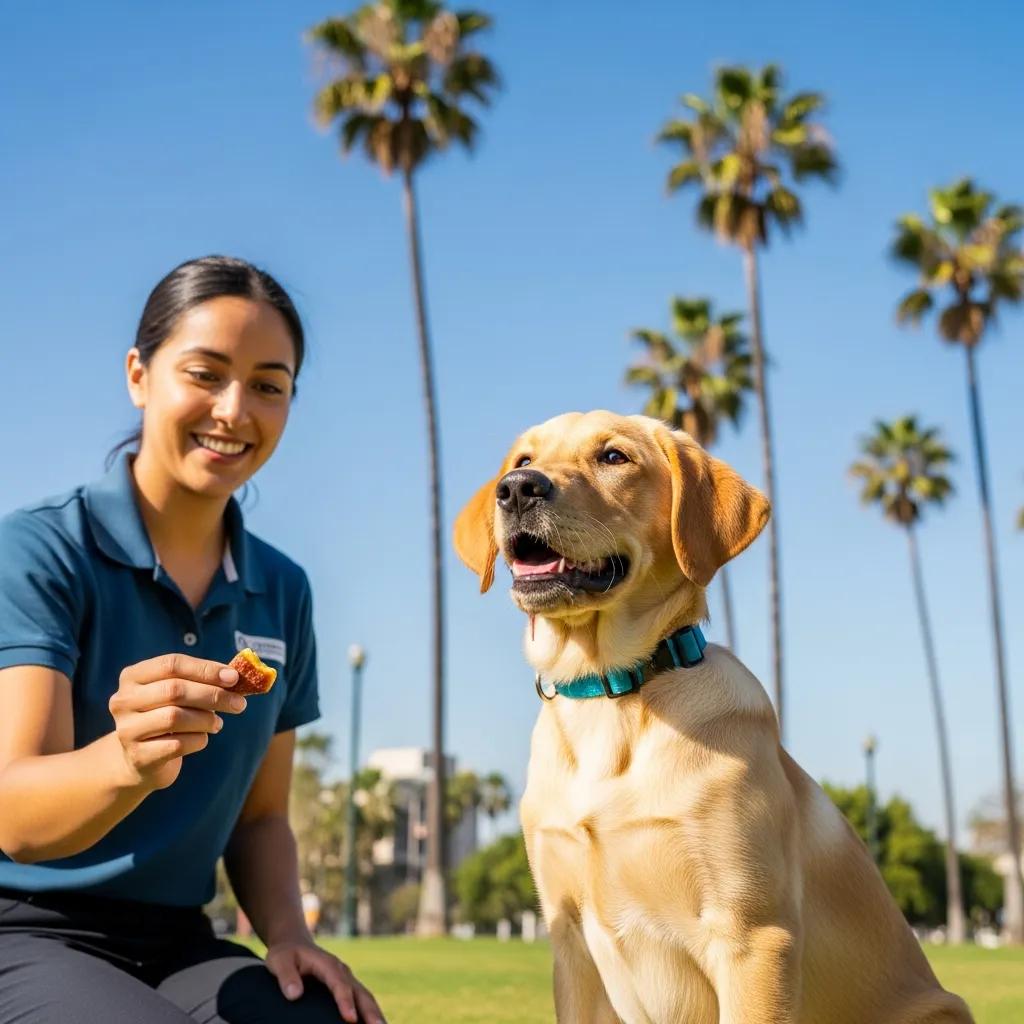

Puppy Training Mistakes to Avoid: Advice from LA Experts
Training your puppy matters in a busy city like Los Angeles. New owners often hit roadblocks that slow a pup’s progress. This article explains common mistakes and how to avoid them so training is smoother. Understand these pitfalls and you’ll raise a happier, better‑behaved dog. We cover frequent errors, the benefits of positive reinforcement, socialization tips, and how expert trainers handle common challenges.
What Are the Most Common Puppy Training Mistakes in Los Angeles?

Spotting common training mistakes is key to building reliable obedience. Many LA owners unknowingly make errors that set back a puppy’s learning. The most frequent include:
Knowing the basics of obedience and behaviour correction helps you fix these pitfalls.
Essential Principles of Dog Obedience & Behavior Correction
This chapter outlines the HCS basic dog training framework: Obedience Training (OT), Behavior Correction Training (BCT), and Pursuit Training (PT). It details OT topics such as trainer selection, observing the training process, OT requirements and principles, basic and advanced commands, OT tools, lesson types and formats. The BCT section covers factors that cause stress in dogs and the behaviour correction process.
Interaction: Basic Training Obedience, Behavior Correction, and Pursuit Training, 2024
- Waiting too long to start training
: Early training is crucial for establishing good behavior. - Inconsistent rules and commands
: Mixed signals can confuse puppies and hinder their learning. - Skipping proper socialization
: Lack of socialization can lead to behavioral issues later on.
These mistakes can stall a puppy’s development. Recognising them lets you take proactive steps and improve training outcomes.
How Does Inconsistent Command Use Affect Puppy Learning?
Using different commands for the same action confuses a puppy. Clear, consistent cues speed learning and cut frustration. For example, alternating “sit” and “down” for one behaviour can bewilder your pup and slow progress.
Why Is Neglecting Early Socialization a Training Error?
Skipping early socialization can cause lasting problems like fear‑based aggression or anxiety. Early exposure to other dogs and people supports emotional development. The critical window is 3 to 14 weeks, so offer varied, safe experiences during that time.
How Can Positive Reinforcement Improve Puppy Training Results?
Positive reinforcement speeds learning and strengthens the bond between you and your dog. Rewarding desired behaviours encourages repetition and reduces fear and stress, making sessions easier and more effective for both of you.
Research shows positive reinforcement outperforms punishment for both obedience and welfare outcomes.
Positive Reinforcement vs. Punishment in Dog Training
Historically, dogs were trained mainly with negative reinforcement or punishment; rewards‑based training has become more common. A survey of 364 dog owners examined methods and welfare effects. It found 66% reported using vocal punishment, 12% used physical punishment, 60% used praise (social reward), 51% used food rewards and 11% used play. Owners’ ratings of their dogs’ obedience correlated positively with the number of tasks trained using rewards (P < 0.01), but not with punishment (P = 0.5).
Dog training methods: their use, effectiveness and interaction with behaviour and welfare, 2004
To boost your puppy’s progress, consider options like
family dog training
, which provides a structured, supportive setting for you and your pet.
What Are Effective Positive Reinforcement Techniques?

Use treats, praise and play as rewards. Give a small treat or enthusiastic praise when the puppy follows a command. Use clear cues so the puppy knows which behaviour earned the reward. That clarity cements learning and keeps training positive.
How Do Trainers Personalize Plans Using Positive Methods?
Trainers assess each puppy’s temperament and needs, then build a customized plan. Positive methods let them adapt based on the puppy’s responses, improving results and strengthening the trainer‑puppy relationship.
What Puppy Socialization Tips Help Prevent Behavioral Problems?
Good socialization prevents many behavioural problems later on. Use these essential tips for successful socialisation:
- Start early
: Begin socializing your puppy as soon as possible, ideally between 3 to 14 weeks. - Enroll in structured puppy classes
: These classes provide a controlled environment for socialization with other dogs and people. - Gradual exposure
: Introduce your puppy to various environments, sounds, and experiences gradually to build confidence.
These strategies reduce the risk of future behavioural issues and help your puppy become a well‑adjusted adult dog.
When Should You Start Socializing Your Puppy in Los Angeles?
Start during the 3 to 14‑week socialization window. Puppies are most receptive then and can learn to handle new environments. Early socialization prevents fear‑based behaviours and builds confidence.
Which Socialization Activities Are Best for Puppies?
The following activities are especially helpful for puppies:
- Puppy socialization classes
: These classes provide structured environments for puppies to interact with their peers. - Supervised playgroups
: Allowing puppies to play with other dogs under supervision helps them learn appropriate social behaviors. - Exposure to different environments
: Taking your puppy to parks, busy streets, and pet-friendly stores can help them adapt to various stimuli.
Regular participation in these activities helps your puppy grow into a well‑rounded adult dog.
How Do Expert Dog Trainers in Los Angeles Address Training Challenges?
Expert trainers in Los Angeles use a range of methods and tailor approaches to each puppy. They recognise that every pup is different and apply targeted techniques for issues like leash reactivity and public manners.
For puppies exhibiting aggressive tendencies, specialized
aggressive dog training
programs offer targeted interventions and behaviour modification strategies.
What Qualifications Should You Look for in a Trainer?
Look for certification from recognized organizations and practical experience. Certified, experienced trainers understand effective methods and can guide your puppy’s development.
Additionally, if you need comprehensive care for your pet,
Topanga Pet Resort
offers a range of services to meet those needs.
How Do Trainers Tailor Obedience Classes to Puppy Needs?
Trainers use assessments to tailor classes, emphasise early socialization, and adapt teaching based on a puppy’s responses. This personalized approach gives each pup the attention it needs and improves obedience outcomes.
For advanced training needs, consider exploring
protection dog training
, which provides specialized skills and builds confidence.
Frequently Asked Questions
What age is best to start training my puppy?
Start training as early as 8 weeks. Puppies this age are eager to learn basic commands and social skills. Early training sets good habits and helps prevent future issues. Use positive reinforcement to make sessions enjoyable for both you and your pup.
How long should training sessions be for puppies?
Keep sessions short—about 5 to 15 minutes depending on your puppy’s age and attention span. Young pups have brief focus, so keep training engaging. As focus grows, gradually increase session length. Consistency and regular practice are key.
What should I do if my puppy is not responding to commands?
If your puppy isn’t responding, check for inconsistent cues or low motivation. Use consistent commands and positive reinforcement. Try a quieter spot and higher‑value treats or toys to renew interest. If problems persist, consult a professional trainer for tailored strategies.
How can I help my puppy adjust to new environments?
Help your puppy by gradually exposing them to different settings, sounds and people. Start with low‑stress situations and increase complexity as they gain confidence. Reward calm behaviour and consider socialization classes for structured practice.
What are the signs of a well-socialized puppy?
A well‑socialized puppy shows confidence and curiosity. They interact comfortably with dogs and people, display a relaxed posture, explore willingly, and play appropriately. They handle varied sounds and places without obvious anxiety.
How can I find a qualified dog trainer in Los Angeles?
Search for trainers certified by recognized organizations, such as the Association of Professional Dog Trainers (APDT). Prefer trainers who use positive reinforcement and have puppy experience. Read reviews and, if possible, observe a class before deciding.
Conclusion
Successful puppy training in Los Angeles means avoiding common mistakes and using proven techniques like positive reinforcement. With early socialization and consistent commands you can raise a confident, well‑behaved dog. Explore available resources and training options to get the best results for you and your puppy. Start your training journey today.





