

Dog Training Classes vs Private Training in Los Angeles
Choosing the right training approach in Los Angeles affects your dog’s behavior and well‑being. This guide compares group classes and private sessions so you can decide which format best matches your dog’s temperament, training goals, schedule, and budget.
Research indicates that proper training goes beyond obedience; it supports a dog’s welfare and strengthens the human–dog bond across different training methodologies.
The Importance of Dog Training & Diverse Methods
Dogs serve as companions and working partners, and appropriate training is central to their success in both roles. For companion dogs, training helps prevent or manage behavioral problems—the leading reasons for relinquishment and euthanasia—and promotes stronger human–dog relationships. For working dogs, training is essential for task performance. Training approaches span predominantly aversive methods, mixed methods combining aversive and rewarding stimuli, and reward‑based methods.
Improving dog training methods: Efficacy and efficiency of reward and mixed training methods, AC Vieira de Castro, 2021
What Are the Key Differences Between Group Dog Training Classes and Private Training in Los Angeles?
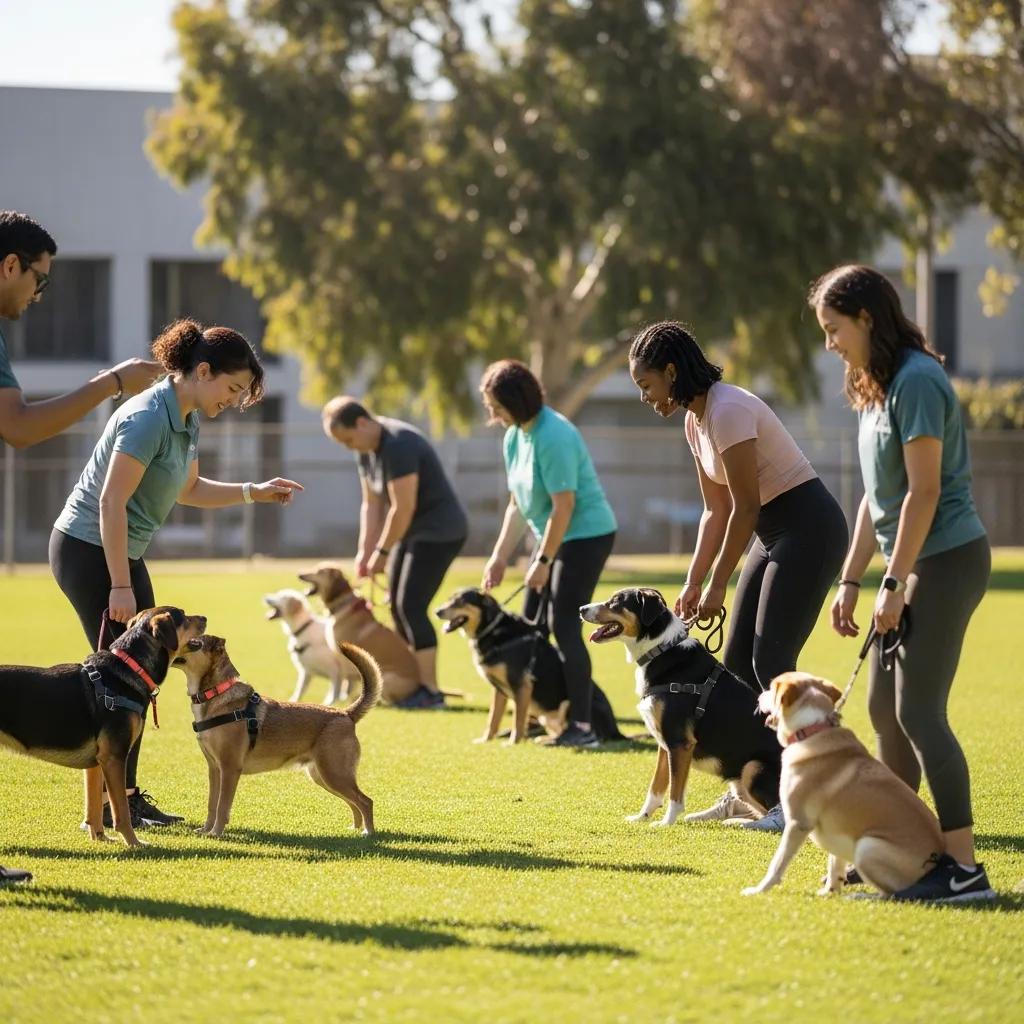
Group classes provide social exposure, structured lessons, and peer support at a lower cost, while private training delivers one‑on‑one instruction tailored to a dog’s temperament and specific behavior issues. Group formats expose dogs to real‑world distractions; private sessions allow focused behavior modification and direct owner coaching.
How Do Group Dog Training Classes Improve Obedience and Socialization?

Group classes use progressive curricula and positive reinforcement so dogs learn obedience and social rules while practicing around other dogs. The class environment helps owners apply commands amid distractions and benefits from shared tips and encouragement from peers.
What Personalized Benefits Does Private Dog Training Offer for Behavior Modification?

Private training focuses on individual assessment and step‑by‑step plans for issues like aggression or anxiety. The trainer provides immediate feedback to owners, helping them apply techniques correctly and often producing faster, measurable progress with fewer distractions.
Which Dog Training Programs Are Available in Los Angeles for Different Needs?
Local providers offer a variety of programs to match goals and behavior concerns. Typical options include:
- Family Dog Training: Essential obedience and household manners for puppies and adult dogs to create a stable, well‑behaved family pet.
- Private Aggressive Dog Training: Targeted assessment and behavior modification for dogs showing aggression, with safety‑focused management strategies.
- Protection Dog Training: Specialized work on obedience, controlled responses, and socialization for protection roles, taught by experienced trainers.
Owners can choose the program that best fits their dog’s needs and household goals.
What Does Family Dog Training Include for Puppies and Adult Dogs?
Family training covers core commands—sit, stay, come, heel—and common issues like jumping, barking, and chewing. Sessions use real‑life scenarios so skills transfer to daily life. For more details, explore “Family Dog Training” options offered locally.
How Do Specialized Programs Like Aggressive and Protection Dog Training Work?
Specialized programs start with a behavior assessment to identify triggers. Trainers use desensitization, positive reinforcement, and controlled exposure to reduce problematic responses. Protection training combines obedience and controlled reactions; both tracks require experienced professionals who prioritise safety.
See tailored options such as “aggressive dog training” for additional information on intensive behavior work.
How Do Costs and Scheduling Compare Between Group Classes and Private Training in Los Angeles?
Group courses are generally more affordable—commonly $150–$300 per course—making them accessible for owners seeking social learning. Private sessions typically range $100–$250 per hour; the higher hourly cost reflects individualized attention and scheduling flexibility. Specialized tracks may carry higher fees depending on complexity.
What Are Typical Prices for Group Dog Training and Private Sessions?
Prices vary by provider and program. Expect group courses around $150–$300 and private hourly sessions around $100–$250. Ask providers about package rates, trial sessions, and any additional costs for assessments or materials.
How Can Dog Owners Book and Prepare for Training Sessions?
Research local trainers, read reviews, and schedule a consultation to confirm methods and fit. Most providers allow online booking or phone reservations. Prepare basic supplies—leash, collar, and high‑value treats—and exercise your dog before sessions so they can focus. Share any behavior concerns with the trainer before the first appointment.
How Can Los Angeles Dog Owners Decide Between Group Classes and Private Training?
Base your choice on your dog’s needs: socialization goals and basic manners often suit group classes; severe anxiety or aggression usually requires private work. Consider your schedule, budget, and how quickly you want results when choosing a format.
What Factors Should Influence the Choice of Training Type?
Key factors include temperament, behavior severity, family involvement, and budget. If multiple family members are involved, ensure everyone learns consistent cues. Prioritise trainers who use reward‑based methods and provide clear coaching for owners.
How Do Hybrid Training Models Combine the Benefits of Both Approaches?
Hybrid programs pair group lessons for social exposure with private sessions for targeted behavior work, giving dogs both interaction practice and focused modification. For a full range of options, consider services like “Topanga Pet Resort”.
This blended approach suits dogs that need general obedience training plus bespoke interventions for specific issues.
Frequently Asked Questions
What should I look for in a dog trainer in Los Angeles?
Check experience, training philosophy, and client reviews. Prefer trainers who use positive reinforcement and who welcome a consultation so you can observe how they interact with dogs.
How long does dog training typically take?
Duration varies by age, temperament, and goals. Basic obedience may take weeks to a few months; complex behavioral issues can require ongoing work and consistent home practice.
Are there age restrictions for dogs in training classes?
Programs differ. Puppy classes generally serve very young dogs (e.g., 8 weeks to several months) and focus on socialization; adult dogs can join general or specialized classes—check each provider’s policy.
Can I train my dog at home instead of attending classes?
Home training is possible with proven techniques and consistency, but classes provide socialization and professional feedback. Consider occasional professional sessions to supplement home work.
What should I do if my dog is not responding to training?
Review your environment, rewards, and consistency. Reduce distractions, use motivating rewards, and consult a professional trainer if progress stalls or behaviors worsen.
How can I reinforce training outside of class?
Practice short, frequent sessions across different environments, integrate commands into daily routines, and ensure all family members use the same cues and rewards.
Conclusion
Both group classes and private training can improve behavior and strengthen your relationship with your dog. Choose the format that fits your dog’s temperament, the issues you want to address, your timeline, and your budget—and consult trainers to find the best match.





