
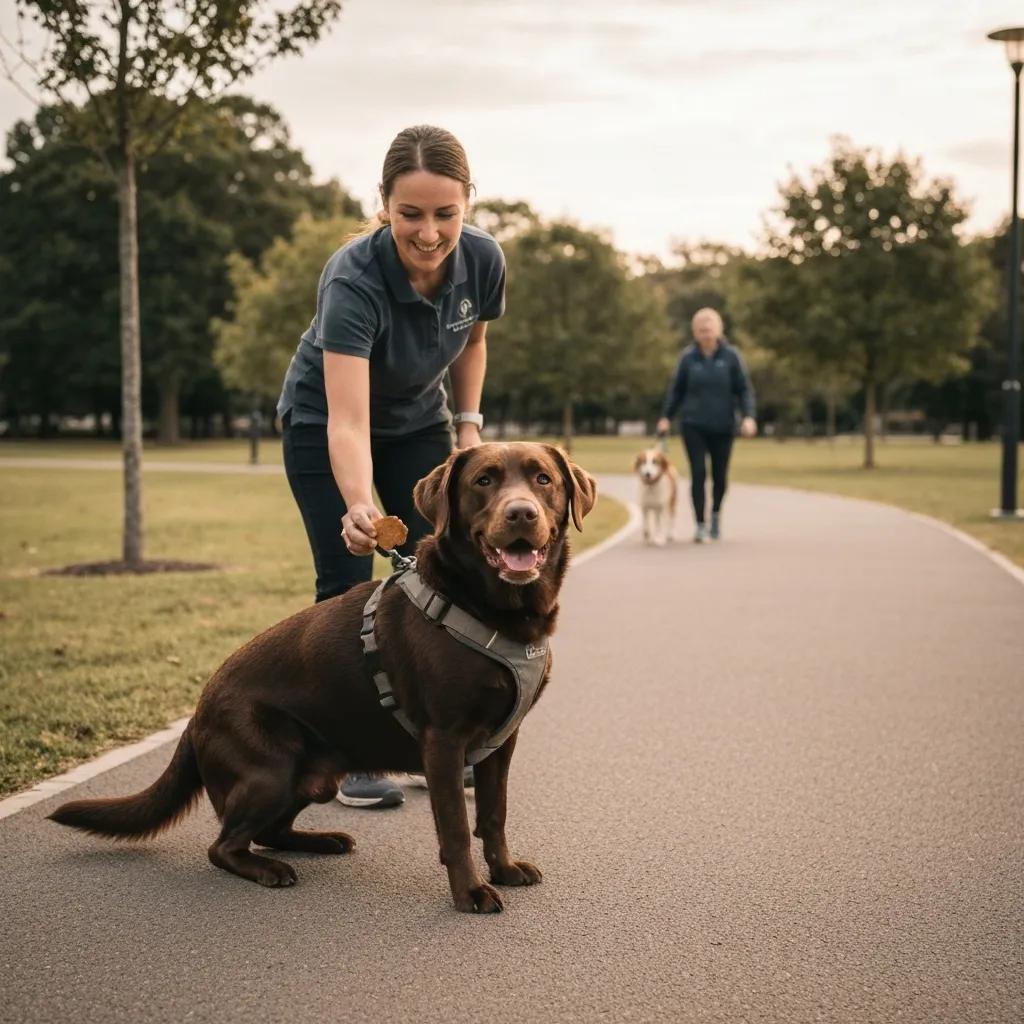
How to Solve Common Dog Behavior Issues with Expert Training in Los Angeles

Dog behavior problems are a frequent source of owner frustration. Addressing them with evidence-informed, reward-based training preserves safety, reduces stress, and improves your relationship with your dog. This guide summarizes practical techniques, local Los Angeles resources, and client outcomes to help you find effective solutions.
It covers essential training methods, common behavior concerns, signs of aggression or anxiety, and the benefits of family dog training .
Techniques

Effective programs combine reward-based reinforcement, structured behavior modification, and consistent socialization. Positive reinforcement increases desired behaviors while preserving a cooperative relationship between owner and dog.
Research consistently supports reward-based methods for addressing canine behavior problems and shows advantages over punishment-based techniques.
Evidence-Based Dog Training: Reward Methods for Behavior Problems
Companion animal behaviour problems significantly impact companion animal (and owner) welfare. Veterinary behavioural medicine (VBM) is an emerging discipline and aims to provide evidence-based advice to owners and veterinary professionals to support normal behaviour in companion animals through appropriate socialisation and training and to address behaviour problems in a constructive and welfare-friendly manner. The approach to problem behaviours in dogs has changed in recent years; previously a mis-understanding of the biological theory of dominance has been used to explain certain behavioural problems in dogs which has led to the use of punishment-based treatment methods. Current research advocates the benefits of reward-based methods and highlights the risks of implementing positive punishment-based training techniques to both dogs and owners.
Exploring the understanding of best practice approaches to common dog behaviour problems by veterinary professionals in Ireland, A Hanlon, 2019
Behavior modification targets unwanted actions through consistent management, redirected attention, and reinforced alternatives. Socialization gives dogs controlled exposure to people, animals, and environments so they learn to stay calm in new situations.
Comparison of Training Techniques
Different methods suit different goals. Comparing approaches helps choose the right plan for a dog’s temperament and the owner’s objectives.
| Technique | Description | Benefits |
|---|---|---|
| Positive Reinforcement | Rewarding desired behaviors | Builds trust and encourages repetition |
| Behavior Modification | Changing undesirable behaviors | Provides structure and guidance |
| Socialization | Exposing dogs to various environments | Reduces anxiety and improves adaptability |
Each technique can be adapted to the individual dog, creating a tailored plan that addresses root causes.
Resources
Los Angeles owners have several local options. Topanga Pet Resort offers puppy classes, basic obedience, aggressive dog training, and behavior modification for varied needs.
Trainers there develop individualized plans aimed at measurable, positive outcomes and consider each dog’s temperament and learning history.
Training Programs Offered
Programs provide structured instruction and hands-on practice to address common behavior concerns:
- Puppy Training : Foundational skills and socialization.
- Basic Obedience : Essential commands and manners.
- Aggressive Dog Training : Targeted strategies for aggression issues.
- Behavior Modification : Customized plans for specific problems.
These programs teach owners practical skills and tools to maintain progress at home.
Success Stories
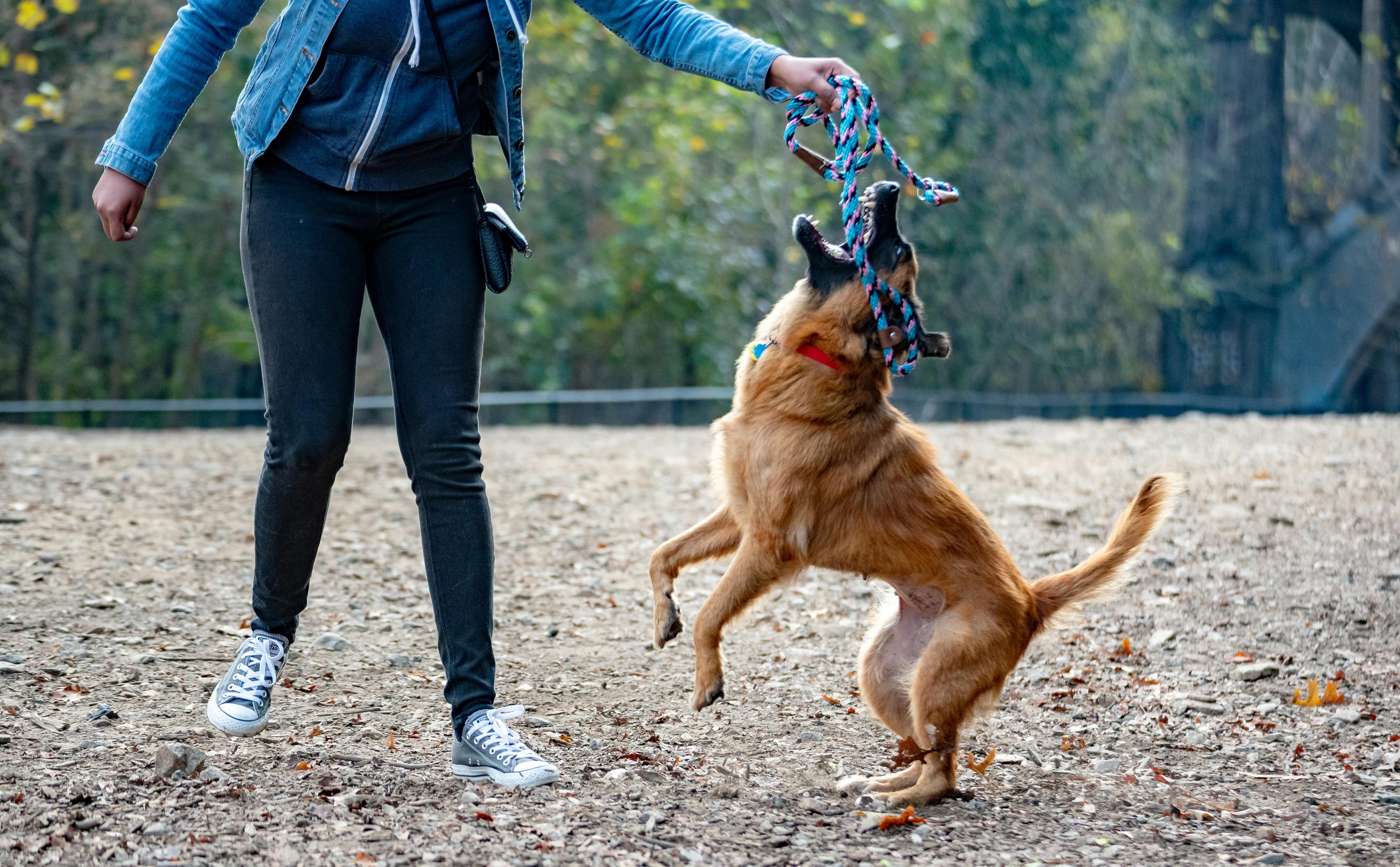
Client stories show how focused, consistent training yields clearer communication and fewer problem behaviors. Many owners report reduced stress at home and a stronger bond with their dogs after following structured plans.
What Are the Most Common Dog Behavior Problems in Los Angeles?
Common issues seen in clinics and training classes include:
- Leash Reactivity : Aggressive or anxious reactions on leash, often from fear or frustration.
- Separation Anxiety : Distress when left alone, sometimes causing destruction.
- Excessive Barking : Often a sign of boredom, anxiety, or attention-seeking.
Early recognition lets owners and trainers apply targeted strategies before problems escalate.
Which Behaviors Indicate Aggression or Anxiety in Dogs?
Recognizing signs allows prompt intervention. Common indicators include:
- Leash Reactivity Signs : Growling, lunging, or barking at others while leashed.
- Separation Anxiety Indicators : Destructive behavior, excessive barking, or escape attempts when alone.
- Territorial Aggression Behaviors : Growling or snapping at perceived intruders.
Early identification supports safer management and more effective training plans.
How Do Puppy Behavior Problems Manifest and Affect Training?
Puppy issues often follow predictable patterns that shape training needs. Common problems:
- Nipping and Biting : Mouth exploration that needs redirection.
- House Training Challenges : Accidents from inconsistent schedules or supervision.
- Fearfulness : Hesitance with new experiences that slows socialization.
Early, gentle, consistent techniques set expectations and prevent persistent problems.
How Can Family Dog Training Improve Obedience and Socialization?
Family training teaches dogs to respond to multiple handlers and consistent cues. Involving the household ensures everyone follows the same rules and reinforces progress, improving adaptability and reliability.
What Positive Reinforcement Techniques Are Used in Family Dog Training?
Positive reinforcement methods commonly used include:
- Treat Rewards : Food to mark and repeat desired behaviors.
- Praise and Affection : Verbal and physical rewards for good responses.
- Clicker Training : A precise marker for correct behavior.
Consistent use of these methods improves responsiveness and reduces problem behaviors.
Studies categorize training methods and distinguish reward-only approaches from those that include punishment elements.
Positive Reinforcement vs. Punishment in Dog Training
training methods at each time point were grouped into two categories. ‘Reward only’ training: positive reinforcement (adding a rewarding stimulus) and/or negative punishment (NP; decreasing a rewarding stimulus).
Factors influencing owner-reported approaches to training dogs enrolled in the Generation Pup longitudinal study, RH Kinsman, 2021
How Does Personalized Training Address Individual Dog Behavior Issues?
Personalized training begins with a focused assessment of behavior, triggers, and history, producing a step-by-step plan with measurable goals. Plans consider temperament, prior learning, and the home environment to improve consistency and lasting change.
What Are Effective Strategies for Aggressive Dog Training Near Me?
Effective strategies for aggression include:
- Positive Reinforcement : Reward calm behavior to encourage alternatives.
- Desensitization Techniques : Gradual, controlled exposure to triggers.
- Professional Guidance : Expert trainers design safe, tailored plans.
When combined and applied correctly these reduce incident risk and support safer interactions.
How Does Aggressive Dog Training Reduce Risk and Improve Safety?
Aggressive training teaches reliable alternative responses and provides structured protocols to reduce unexpected reactions. It also gives owners management techniques and preventive measures to make homes and communities safer.
When Is Protection Dog Training Recommended for Behavior Control?
Protection training is appropriate only when a dog’s behavior presents a tangible safety concern; it is not a general fix for routine problems. Properly applied, it helps dogs distinguish real threats from normal stimuli and supports controlled responses when safety is required.
How Is Dog Anxiety Treated Through Wellness and Private Training Sessions in Los Angeles?
Anxiety often responds best to combined wellness services and private training. Positive reinforcement and systematic behavior modification reduce symptoms and build coping skills through paced, individualized work.
Research into treatments for canine fear and anxiety typically evaluates the effectiveness of different training and behavior-modification programs.
Treating Canine Fear & Anxiety: Training & Behavior Programs
dogs whose owners (n = 1,048) described as having at least one form of fearful/anxious behavior. Owners were also asked to indicate the resolutions employed, including training methods and equipment, behavior modification programs,
An investigation into the effectiveness of various professionals and behavior modification programs, with or without medication, for the treatment of canine fears, IR Dinwoodie, 2022
What Wellness Services Support Behavior Improvement in Anxious Dogs?
Wellness services that support anxious dogs include:
- Behavioral Modification Training : Tailored plans addressing specific anxiety triggers.
- Socialization Training : Safe, controlled interactions with dogs and people.
- Structured Daycare : Stimulating, supervised settings to reduce anxiety.
Consistent application of these services improves emotional regulation and reduces anxiety-related behavior.
Are Private Dog Training Sessions More Effective for Managing Anxiety?
Private sessions often outperform group classes for anxiety because the environment and pace can be controlled and tailored to the dog’s comfort. Individualized pacing allows gradual exposure to triggers and focused skill-building, producing more reliable progress for many anxious dogs.
For specialized cases, aggressive dog training programs offer targeted interventions.
Frequently Asked Questions
What should I do if my dog shows signs of aggression?
Prioritize safety: remove access to risky situations, identify triggers, and begin reward-based training to reinforce calm responses. Seek a trainer experienced in aggression for a tailored, safety-focused plan.
How can I tell if my dog is anxious?
Signs include excessive barking, pacing, destruction, escape attempts, trembling, panting, or hiding. Notice patterns across contexts and consult a veterinarian or certified trainer for a targeted plan.
What role does socialization play in dog training?
Socialization gives dogs positive, controlled exposure to new people, animals, and environments, reducing fear-based reactions and preventing many behavior problems. Older dogs can also improve with gradual, managed experiences.
How long does it take to see improvements in my dog’s behavior?
Timelines vary. Many owners see initial changes within weeks with consistent practice; complex issues may take months. Short, regular training sessions accelerate progress.
Can I train my dog at home, or should I seek professional help?
Home training works for basic skills. For severe aggression, intense anxiety, or persistent reactivity, combine home practice with professional guidance for the safest, most effective results.
What are the benefits of group training classes for dogs?
Group classes provide structured learning, controlled social exposure, and practice amid distractions. They build focus, social skills, and owner support networks while letting trainers assess behavior in realistic settings.
Conclusion
Expert training in Los Angeles can significantly improve common behavior problems and strengthen the bond between you and your dog. Proven techniques—positive reinforcement, personalized plans, and consistent practice—meet dogs’ needs while prioritizing safety. Explore local resources and tailored programs to begin measurable, lasting change.





