
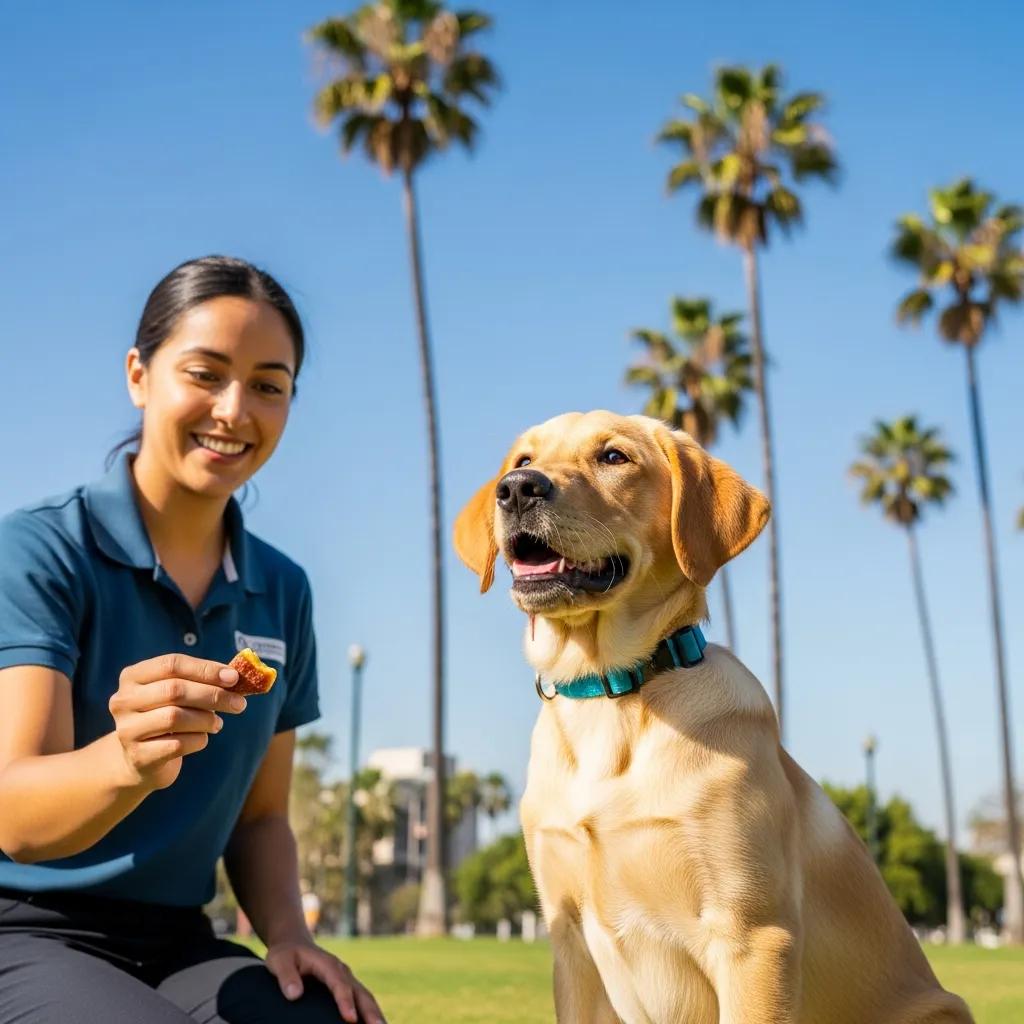
Bringing home a new puppy in Los Angeles means navigating crowded sidewalks, dog-friendly patios, and a packed calendar of socialization windows — all before your puppy turns six months old. Puppy training classes across Los Angeles guide puppies ages 8 weeks through 6 months through housebreaking, bite inhibition, socialization, and basic obedience. At Topanga Pet Resort, that training comes from 6 certified trainers with more than 50 years of combined experience, working from a spacious property that offers supervised outdoor play for puppy owners throughout Topanga, West LA, and the San Fernando Valley.
Key Takeaways
- Topanga Pet Resort’s 6 certified trainers bring 50+ years of combined experience to puppy training.
- Our facility has helped 563 happy clients and their puppies build lasting good habits throughout the Greater Los Angeles Area.
- Professional puppy training classes develop essential commands: sit, stay, come, down, and off.
- Contact Topanga Pet Resort at +1 888-818-1622 to enroll your puppy in classes today.
Why Do LA Puppies Need Structured Classes?
Structured classes give Los Angeles puppies a foundation that casual, at-home training simply can’t match. Between crowded sidewalks, busy dog parks, and packed patios, LA is a lot of stimulation for a young dog to process alone. A well-run class builds core skills — sit, down, and leash control — while a certified trainer coaches owners through everyday behavior problems as they come up, not after they’ve become habits.
Timing matters just as much as technique. The window between 8 weeks and 6 months shapes how a puppy responds to new people, sounds, and environments for the rest of its life. Training delivered during this stage locks in habits faster and with far less repetition than training that starts later.
What Problems Do Unstructured Puppies Develop?
Puppies who don’t get formal guidance tend to develop jumping, excessive barking, and leash reactivity — issues that only intensify once a dog reaches adolescence. Left unaddressed, these habits push owners toward avoidance rather than correction, which deepens the pattern rather than solving it. Puppy training classes in Los Angeles interrupt that cycle early, before it hardens into a routine that’s much harder to unlearn.
Do Group Classes Actually Change Behavior Long-Term?
Yes. Structured obedience work reduces behavioral problems, improves safety in public spaces, and strengthens the bond between a dog and its owner. That outcome matters beyond the training room: fewer behavioral issues mean fewer dogs surrendered to shelters.
A puppy raised through consistent, professional instruction adapts to Los Angeles life with far less friction. Owners see calmer walks, safer greetings, and a dog that reads cues instead of reacting to chaos.
Where Can Angelenos Find Group Classes?
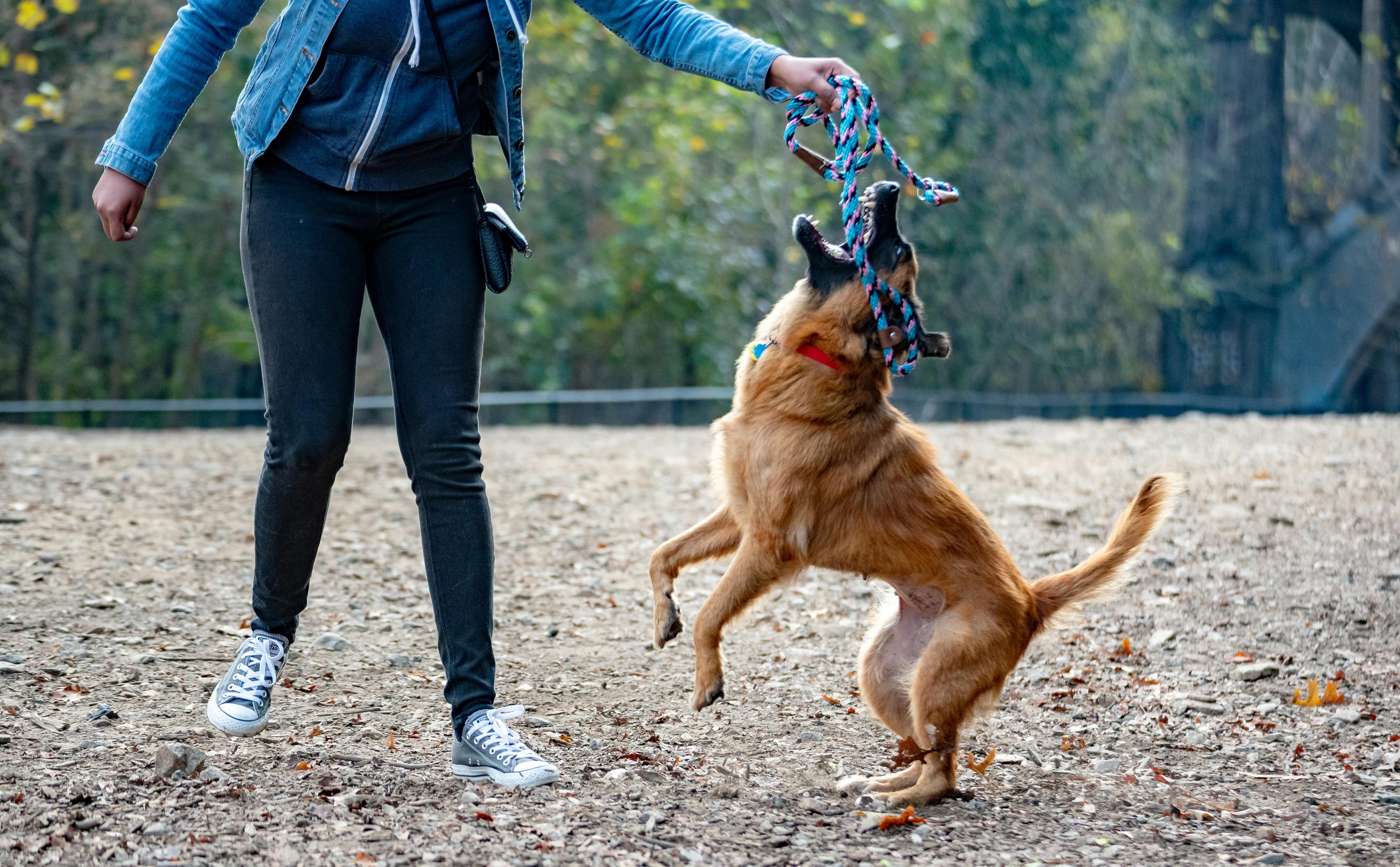
Group puppy socialization options exist across Los Angeles, from neighborhood studios to national retail chains and longstanding community clubs. Formats vary widely in structure, price, and philosophy, so it helps to know what each one actually offers before committing your time — and your puppy’s early weeks.
Neighborhood studios. Training studios scattered throughout the city often run weekend group sessions with package-based pricing, giving owners a set number of visits rather than an open-ended commitment. Some meet during a fixed Sunday morning hour, creating a predictable weekly rhythm that fits into a family’s routine — helping puppies build comfort around other dogs and new environments week after week.
National retail chains. Petco-style in-store classes typically run six weeks and cap group size at a handful of dogs per session, keeping the ratio manageable for handlers still learning the basics. This format suits owners who want structured repetition without a long-term membership.
Are There Established Dog Clubs in Los Angeles?
Yes. Community organizations like the West Los Angeles Obedience Training Club have operated since 1951, reflecting decades of hands-on experience with local dogs and handlers. Clubs like this often blend obedience instruction with broader community events, giving puppies exposure beyond a single classroom setting.
Puppy training classes in Los Angeles differ enough in format that it’s worth comparing them side by side:
| Option Type | Format | Group Size |
|---|---|---|
| Neighborhood studio | Weekend sessions, package pricing | Small groups |
| Retail chain | Six-week in-store course | Capped at a few dogs |
| Community club | Ongoing, multi-generational programs | Varies |
For families across Los Angeles who want structured obedience paired with broader socialization and behavior support, Topanga Pet Resort serves the Greater Los Angeles Area — extending professional puppy training beyond a single weekly class into a fuller developmental program.
What Should A Quality Class Teach?
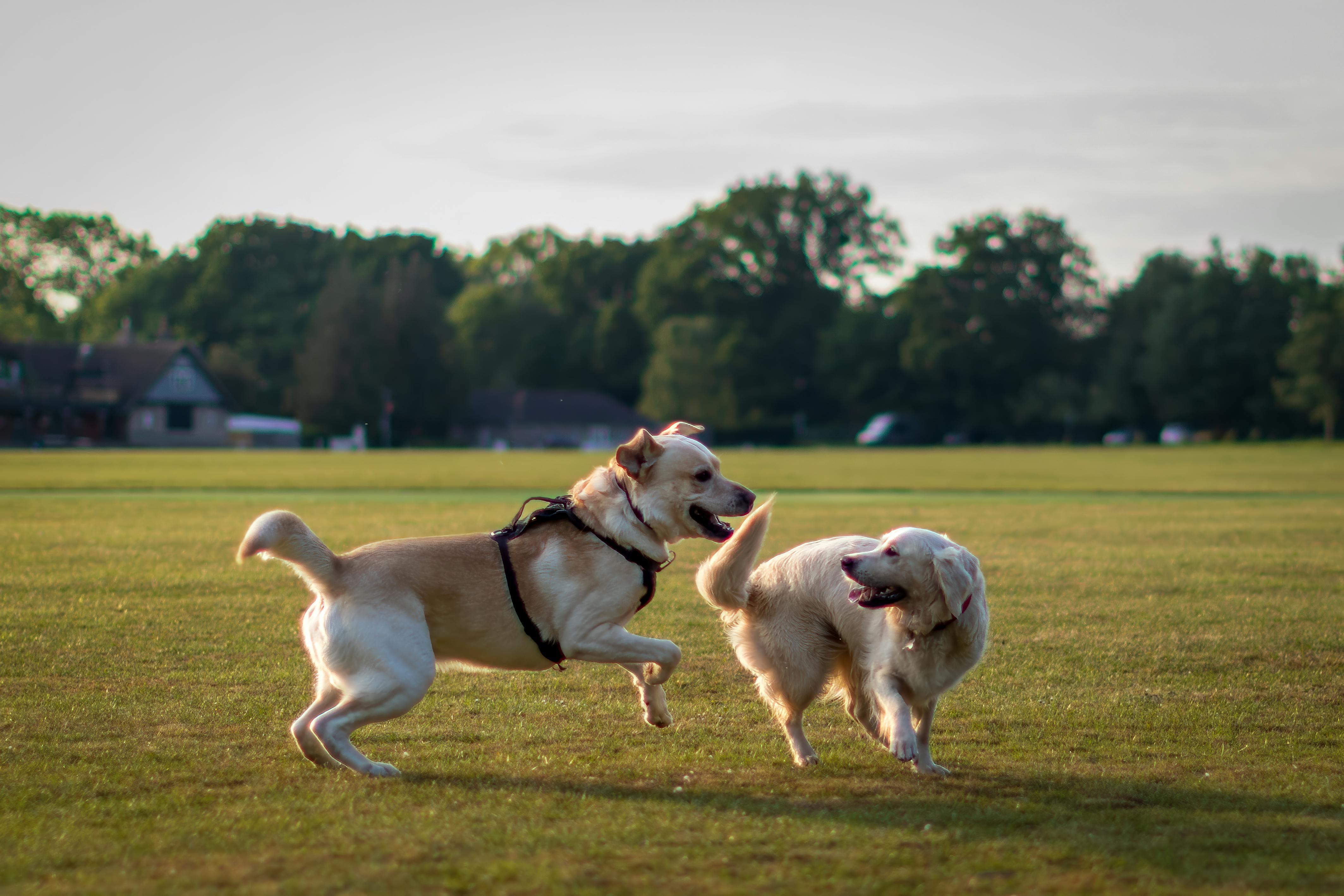
A strong curriculum is what separates a real puppy class from a fenced-off play area. The right program builds real-world manners while keeping the experience positive from day one, and it should address behavior — not just sit-and-stay drills.
The best sessions start before any commands are given. Trainers open with owner Q&A time, tackling everyday frustrations like jumping, barking, chewing, and housebreaking accidents. That groundwork matters: puppies learn faster when the humans in the room understand the why behind each exercise, not just the mechanics.
What Methods Should A Good Puppy Class Use?
Reward-based, force-free training is the standard among responsible Los Angeles programs. Prong collars, shock collars, and intimidation tactics have no place in a well-run class. Science-based methods build trust between puppy and owner instead of compliance built on fear — a distinction that shapes behavior for years, not just weeks.
What Topics Should The Curriculum Actually Cover?
A comprehensive puppy program moves well beyond basic sit and stay. Coverage should include:
- Housebreaking routines and consistency strategies
- Bite inhibition to curb nipping before it becomes a habit
- Early socialization with people, dogs, and new environments
- Basic obedience commands used in daily life
- Healthy habits that support confident behavior as puppies mature
Skipping any of these leaves gaps. A puppy that sits on command but panics around strangers hasn’t received complete training — just a trick. Los Angeles families juggling busy households, frequent guests, and crowded sidewalks need puppies prepared for real situations, not just quiet living rooms. Classes that combine behavioral coaching, force-free methods, and full-spectrum skill-building give young dogs the foundation to grow into calm, reliable companions.
Group Classes Or Private Training: Which Fits?
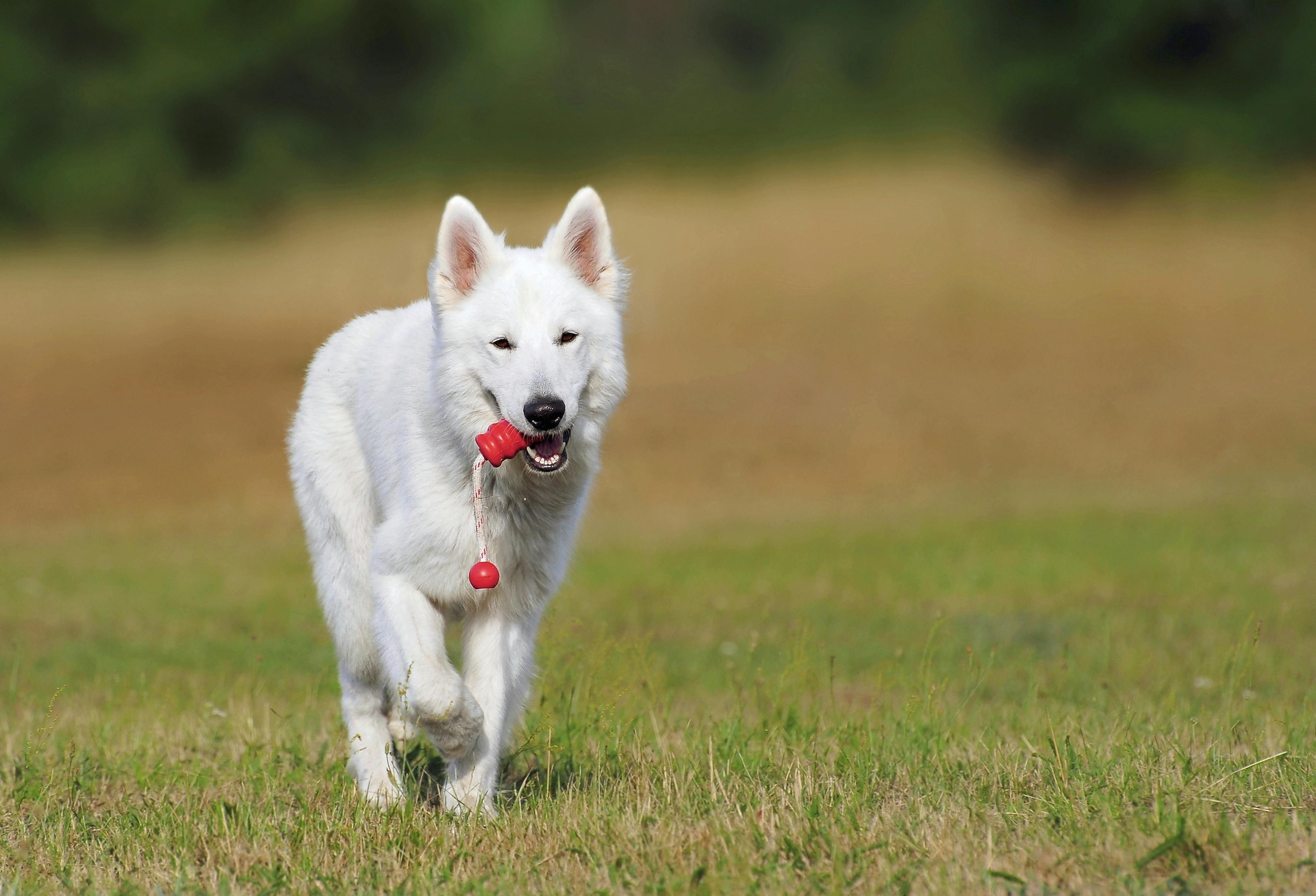
The right format depends on a puppy’s temperament and an owner’s schedule — not on which option sounds more popular. Los Angeles training providers increasingly offer both group and private formats built around positive reinforcement, giving owners real flexibility to choose based on practical needs rather than a one-size-fits-all model.
Group settings work well for puppies that need structured exposure to other dogs and unfamiliar people. Private sessions suit puppies working through fear, reactivity, or a schedule that rules out a fixed class time. Neither format is automatically better — the right choice comes down to the individual puppy.
Topanga Pet Resort designs its Los Angeles-area programs around six certified trainers, each equipped to build a plan around a puppy’s specific temperament rather than a generic curriculum. That staffing depth matters: a program built for one dog rarely transfers cleanly to another with different sensitivities or energy levels.
Is Group Training Better For Socialization?
Group classes expose puppies to controlled interactions with other dogs and unfamiliar people, which builds confidence over time. Private lessons still address socialization goals, just on a slower, more supervised timeline suited to a shy or anxious puppy.
Choosing between formats gets easier with the right guidance behind it. Topanga Pet Resort brings more than 50 years of combined training experience to its Los Angeles-area puppy programs, giving owners a knowledgeable partner for either path:
- Group classes — structured socialization, peer exposure, consistent schedule
- Private training — one-on-one focus, flexible timing, tailored pacing for sensitive puppies
- Combined approach — private foundation work followed by group practice once skills solidify
How Should You Prepare For Puppy Class?
Preparation starts with choosing a program built around your puppy’s critical early development window. Los Angeles owners lose valuable socialization time when they wait too long to enroll, since foundational habits form fastest in the first few months of life. A structured curriculum addresses this by targeting housebreaking, bite control, and confidence-building before problem behaviors take root.
Physical readiness matters just as much as mental readiness. Puppy training classes in Los Angeles should incorporate light agility and sports foundations. These exercises build strength, focus, and responsiveness that carry directly into obedience work at home. A puppy that learns to navigate simple physical challenges early develops better body awareness and sharper attention skills later on.
What Should A Puppy Bring To Its First Class?
A collar, a well-fitted leash, and a stack of small, high-value treats cover the basics. Vaccination records also help staff confirm a safe environment for every dog in the group. Comfort items are optional, but a calm, well-rested puppy adjusts faster than an overstimulated one.
How Do LA Owners Get Started?
Getting started is straightforward: reach out to a program, share a bit about your puppy’s age, breed, and personality, and book an initial session or evaluation. At Topanga Pet Resort, that first conversation helps trainers match your puppy with the right mix of group and private instruction from day one, rather than dropping every puppy into the same fixed curriculum.
Ready to Start Your Puppy’s Training Journey?
The months between 8 weeks and 6 months are when your puppy’s habits take shape, so starting early pays off for years. At Topanga Pet Resort, our six certified trainers bring more than 50 years of combined experience to every class, using force-free, reward-based methods to build housebreaking routines, bite inhibition, confident socialization, and reliable basics like sit, stay, come, down, and off.
Whether your puppy will learn best in a small group, one-on-one, or with a mix of both, we’ll help you choose the right fit. See the full details of our puppy training classes in Los Angeles, or meet the team behind them on our professional dog trainers page.
Frequently Asked Questions
What age should puppies start training classes?
Puppies begin structured training between 8 weeks and 6 months old. This window shapes lifelong responses to new people, sounds, and environments, making early enrollment essential for lasting results.
Should I choose group classes or private training for my puppy?
Group classes are best for socialization, since puppies learn around other dogs and people. Private training suits specific issues or busy schedules, and many owners combine both.
What skills do puppy training classes teach?
Classes at Topanga Pet Resort build housebreaking, bite inhibition, socialization, and basic obedience. Trainers develop essential commands including sit, stay, come, down, and off.
How do I enroll my puppy at Topanga Pet Resort?
Contact Topanga Pet Resort at +1 888-818-1622 to enroll. Six certified trainers with 50+ years of combined experience guide puppies through structured classes on a spacious property.
Conclusion
Choosing the right puppy training program lays the foundation for a well-adjusted, confident adult dog. Topanga Pet Resort combines certified professional instruction with comprehensive boarding and care services, giving your puppy consistent guidance and socialization inside a structured, supervised environment. Our trainers’ decades of collective expertise, paired with a commitment to individualized development, mean your puppy progresses at the right pace while you gain the tools to reinforce training at home — building lasting good behavior for years to come.
Scheduling a training evaluation is the simplest first step. Los Angeles pet owners can contact Topanga Pet Resort directly at +1 888-818-1622 to discuss goals, temperament, and scheduling before the first session begins.





