
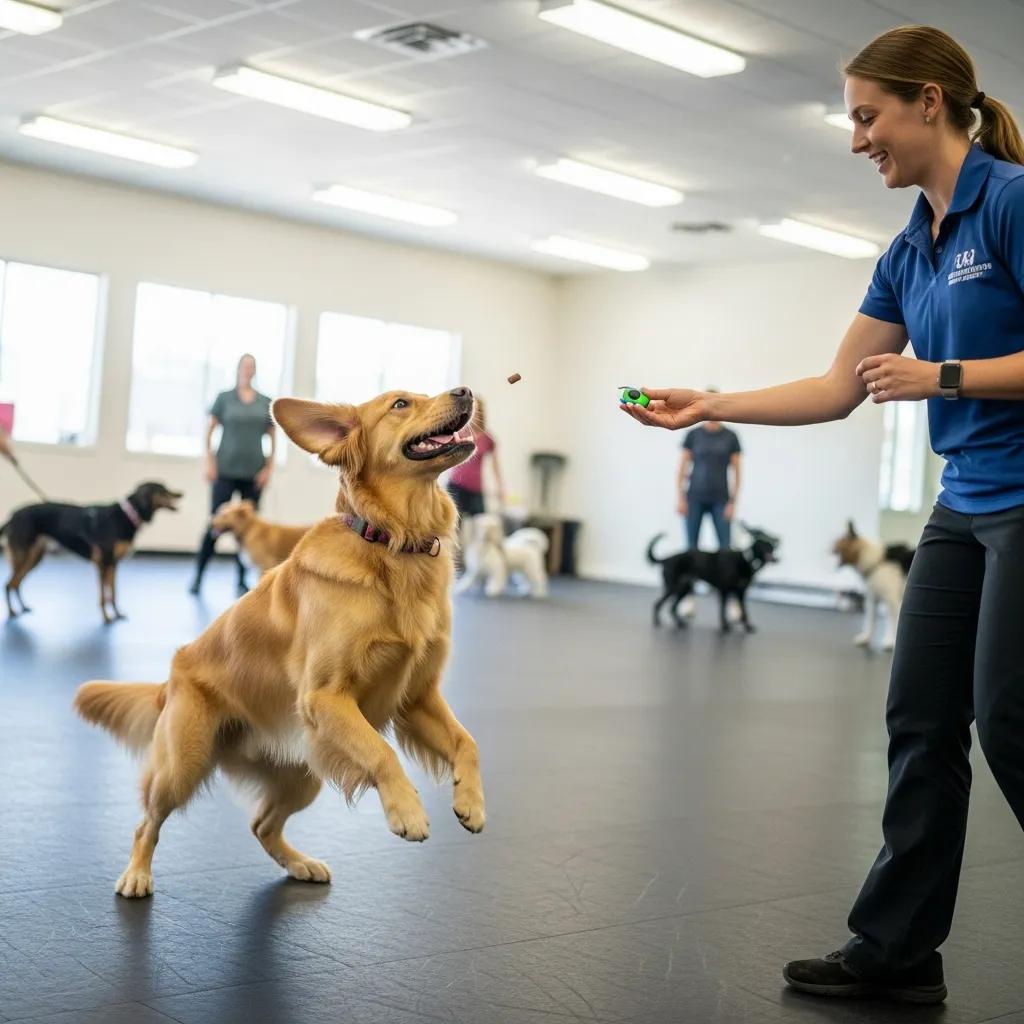
Professional Dog Obedience Training in Los Angeles: Why Choose Expert Trainers for Your Dog?

Choosing professional obedience training can quickly improve your dog’s behaviour and overall well‑being. This article highlights the main benefits of professional training, how expert trainers create tailored behaviour plans, and how Topanga Pet Resort delivers and books those services so owners regain calm and consistency at home.
What Are the Key Benefits of Professional Dog Obedience Training?
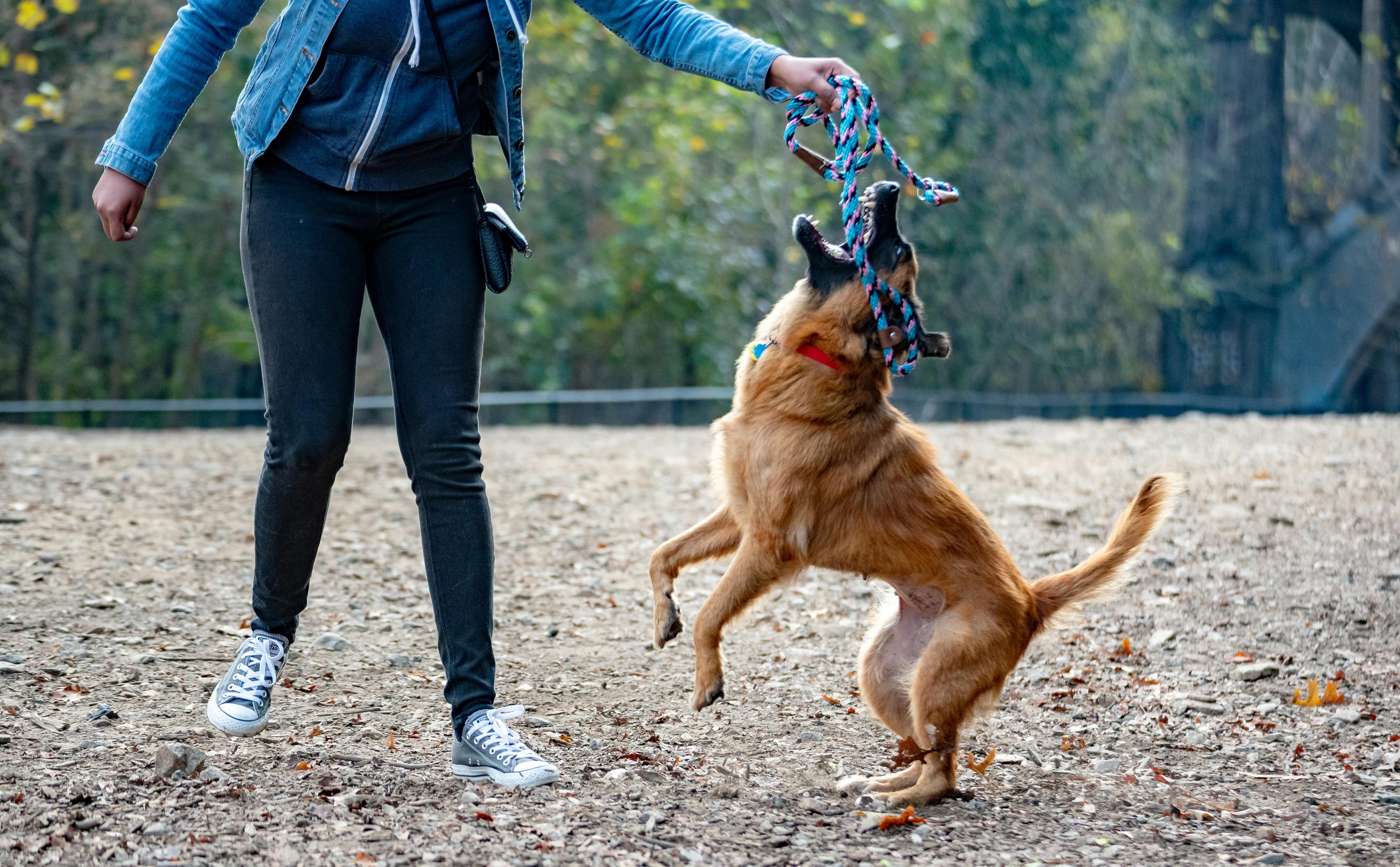
Professional training improves behaviour, clarifies communication between owner and dog, and supports socialisation. A structured program creates predictable responses and builds a durable, trust‑based bond.
| Benefit | Description | Impact Level |
|---|---|---|
| Improved Behavior | Professional training helps correct undesirable behaviors, leading to a more obedient dog. | High |
| Enhanced Communication | Training fosters better understanding between you and your dog, improving interactions. | High |
| Socialization Skills | Exposure to various environments and other dogs helps your pet become well-adjusted. | Medium |
Professional training makes daily routines more enjoyable for both you and your dog. At Topanga Pet Resort, we offer personalised obedience programs matched to each dog’s needs.
How Does Obedience Training Improve Your Dog’s Behavior and Well-being?
Obedience training provides clear structure and consistent expectations. With repeated cues and positive reinforcement, dogs gain impulse control and reliable responses, which reduces destructive behaviour and makes home life calmer and safer.
Research consistently shows that positive-reinforcement training produces measurable improvements in obedience.
Positive Reinforcement Improves Dog Obedience
The results revealed that dogs remained in a down-stay with distractions significantly longer after training (60 ± 0.0 s) than before (5 ± 1.18 s) (P = 0.016).
Efficacy of a remote-controlled, positive-reinforcement, dog-training system for modifying problem behaviors exhibited when people arrive at the door, EJ Fernandez, 2008
What Wellness Advantages Come from Integrated Training Programs?
Integrated programs at Topanga Pet Resort combine obedience work with wellness services to create a holistic care plan. By addressing stress, anxiety, and physical needs alongside training, dogs adapt faster and maintain healthier, more balanced behaviour over time.
How Do Private Dog Training Sessions Enhance Learning Outcomes?
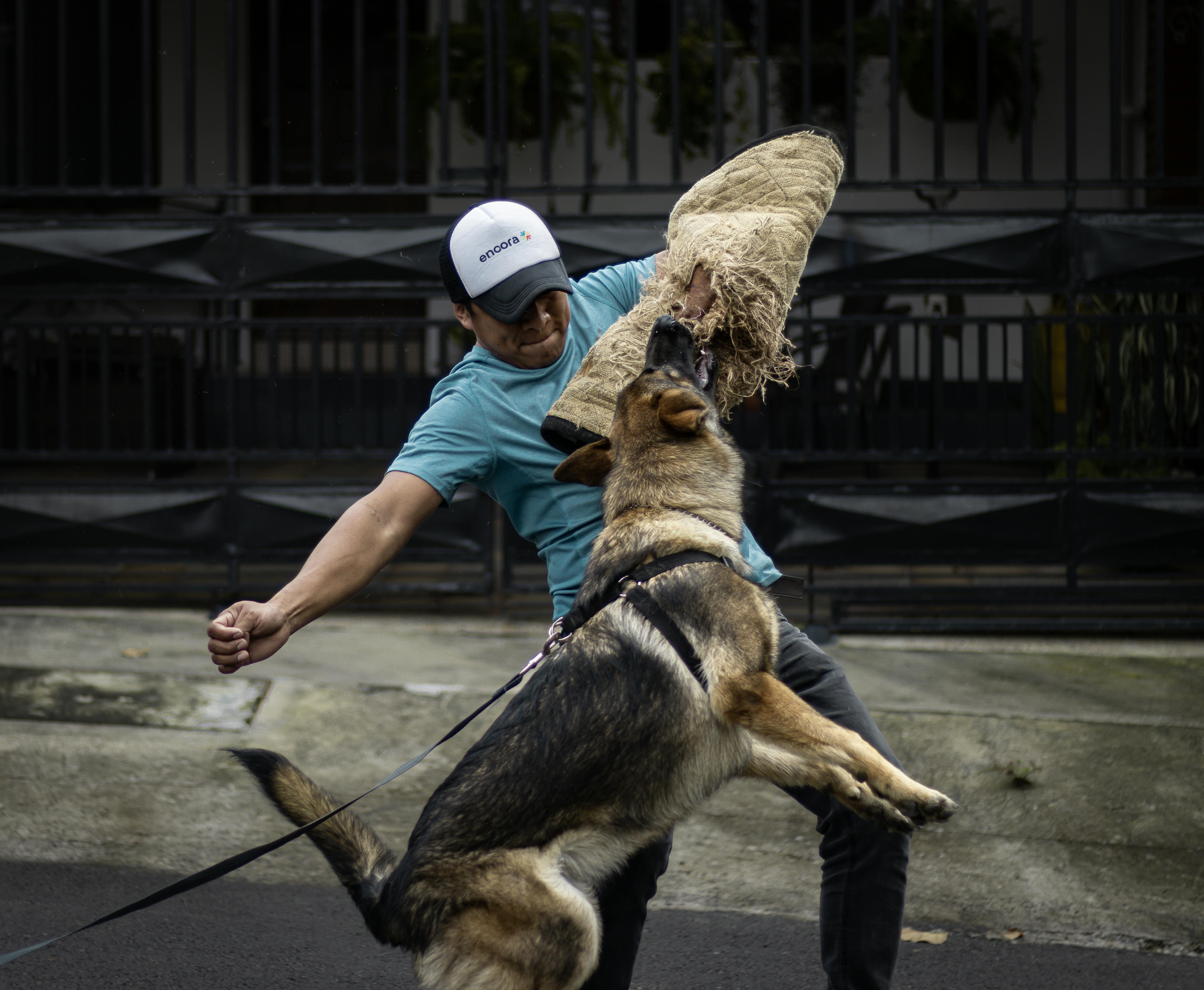
Private sessions give focused instruction matched to your dog’s temperament and challenges. They provide immediate feedback and customised strategies that accelerate learning and deepen command comprehension.
What Makes Private Training More Effective Than Group Classes?
With one‑to‑one attention, trainers can limit distractions and apply precise behaviour‑modification techniques, producing faster, clearer progress than many group settings.
How Does Personalized Training Address Specific Behavioral Challenges?
Personalized training targets root causes of unwanted behaviours. Trainers at Topanga Pet Resort choose techniques to match each dog’s temperament—for example, confidence‑building work for dogs showing fear‑based aggression to reduce reactivity and improve coping with triggers.
Why Choose Luxury Dog Training Services at Topanga Pet Resort?
Topanga Pet Resort offers luxury, results‑focused training in Los Angeles. Our experienced trainers combine practical skills and evidence‑led methods to deliver high‑quality, customised programs and attentive individual care.
What Wellness Amenities Complement Obedience Training at Our Facility?
Our amenities support recovery and learning: health monitoring, stress‑reduction techniques, and quiet restorative spaces help dogs feel secure and ready to work.
How Does Our Expert Team Ensure Safety and Positive Results?
Safety is central at Topanga Pet Resort. We use reward‑based, evidence‑led behaviour modification and maintain a well‑supervised environment so dogs learn effectively and enjoy the process.
Evidence indicates reward‑based methods are both safer and more effective for learning and welfare than aversive approaches.
Benefits of Reward-Based Dog Training Methods
It has been frequently argued that the use of aversives in dog training results in poorer learning outcomes and poses greater welfare risks compared with largely reward based training methods.
Efficacy of dog training with and without remote electronic collars vs. a focus on positive reinforcement, DS Mills, 2020
How Can You Book Professional Dog Training Services Near You?
Start by researching local trainers, requesting consultations, and completing an intake questionnaire so trainers can assess your dog’s needs and design an appropriate programme.
What Is the Process for Scheduling Private Training Sessions?
To schedule private sessions at Topanga Pet Resort, begin with an initial consultation to review your dog’s history and challenges. We then create a targeted training plan and outline next steps.
For families, explore family dog training programs that involve the whole household in consistent practice.
What Should You Expect During Your Dog’s Training Experience?
Expect a structured, supportive environment where trainers use positive reinforcement to encourage correct behaviour and strengthen your bond. This method improves learning and helps dogs feel understood and valued.
This approach is supported by extensive research showing positive reinforcement is more effective for obedience training than punishment‑based methods.
Positive Reinforcement for Effective Dog Obedience
Historically, pet dogs were trained using mainly negative reinforcement or punishment, but positive reinforcement using rewards has recently become more popular. The methods used may have different impacts on the dogs’ welfare. We distributed a questionnaire to 364 dog owners in order to examine the relative effectiveness of different training methods and their effects upon a pet dog’s behaviour. When asked how they trained their dog on seven basic tasks, 66% reported using vocal punishment, 12% used physical punishment, 60% praise (social reward), 51% food rewards and II% play. The owner’s ratings for their dog’s obedience during eight tasks correlated positively with the number of tasks which they trained using rewards (P< 0.01), but not using punishment (P = 0.5).
Dog training methods: their use, effectiveness and interaction with behaviour and welfare, 2004
If your dog has shown signs of aggression, aggressive dog training can supply targeted tools and strategies to manage and modify those behaviours.
For dogs requiring specialised attention, protection dog training offers advanced techniques to maintain safety and control.
Frequently Asked Questions
What qualifications should I look for in a professional dog trainer?
Review a trainer’s qualifications, experience, and methods. Look for certifications from recognised organisations such as the Association of Professional Dog Trainers (APDT) or the International Association of Animal Behavior Consultants (IAABC), and ask for references and client testimonials. Prefer trainers who use positive reinforcement.
How long does it typically take to see results from obedience training?
Results depend on age, temperament, and consistency. Many owners see noticeable changes within a few weeks of regular sessions; more complex behaviours may take months. Consistent practice and patience are key.
Can obedience training help with behavioral issues like aggression or anxiety?
Yes. Tailored training can build confidence, reduce fear, and teach dogs to respond appropriately to triggers. Work with a trainer experienced in aggression or anxiety to ensure safe, effective outcomes.
What should I bring to my dog’s training sessions?
Bring a well‑fitted collar or harness, a sturdy leash, and high‑value treats. A favourite toy or blanket helps some dogs settle. Ensure vaccinations are up to date for group classes.
Are there age restrictions for dogs in obedience training classes?
Most classes accept dogs of all ages. Early socialisation for puppies (ideally around 8–16 weeks) is important, but older dogs also benefit from training tailored to their level.
How can I reinforce training at home?
Be consistent: use the same commands and cues, schedule short daily practice sessions, and reward correct responses. Keep practice low‑distraction and use interactive games to keep it enjoyable.
What if my dog doesn’t respond to training methods?
Check for distractions, stress, or low motivation. Try different rewards (treats, toys, praise) and simplify tasks. If progress stalls, consult a professional trainer for a personalised plan.
Conclusion
Investing in professional obedience training at Topanga Pet Resort improves behaviour and strengthens your relationship. Our tailored programmes and reward‑based methods produce measurable improvements while prioritising canine welfare. Schedule a consultation to begin a practical plan for a happier, well‑behaved dog.





