Proven Dog Training Techniques
Training your dog is a key part of responsible pet ownership in a busy city like Los Angeles. With so many lifestyles here, owners need techniques that fit their routines. This article covers positive reinforcement, obedience classes, and puppy training to help you improve your dog’s behaviour and deepen your bond. We point to local resources such as Topanga Pet Resort, which provides personalised training services.
What Is Positive Reinforcement Training and How Does It Benefit Your Dog?
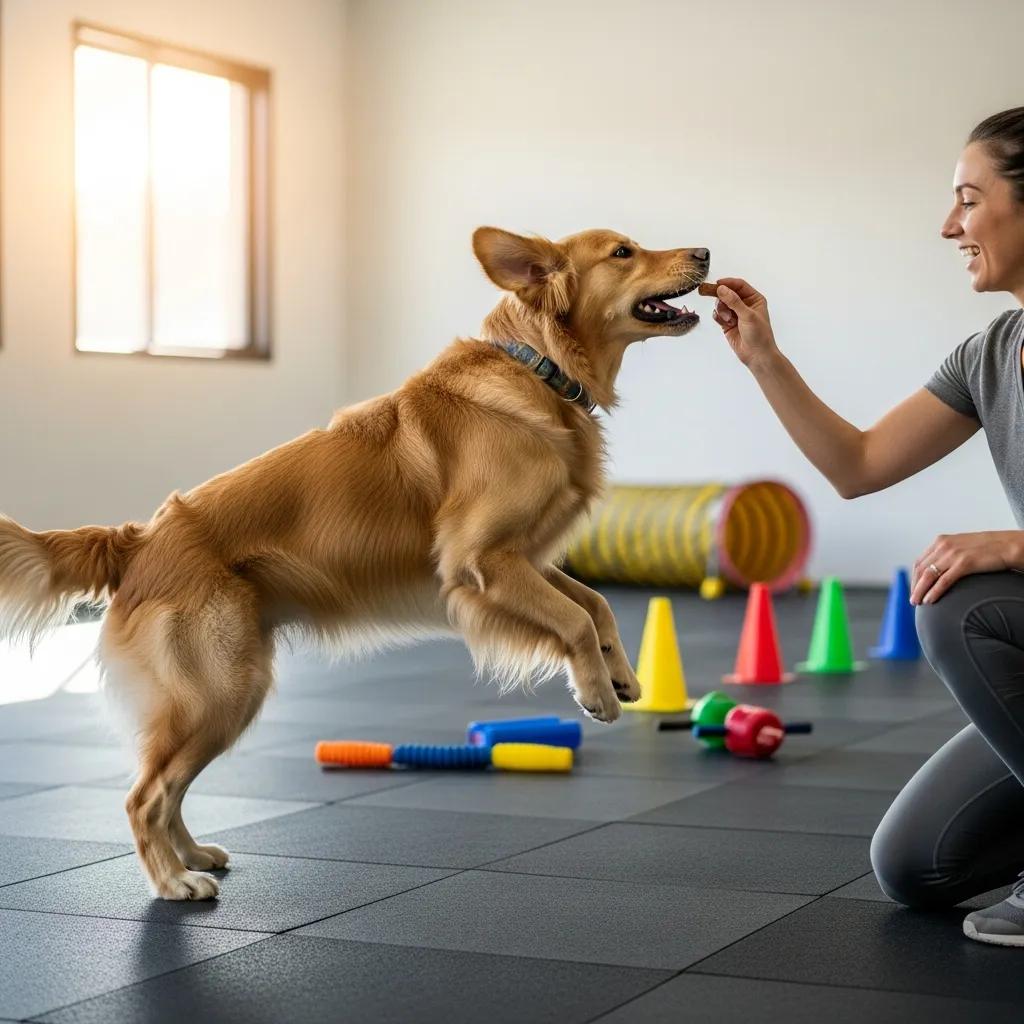
Positive reinforcement rewards the behaviours you want with treats, praise, or play. It builds trust and makes training rewarding for your dog. The main benefits are clearer obedience, lower anxiety, and a stronger owner-dog bond. Rewarding good behaviour instead of punishing mistakes makes dogs more likely to repeat the actions you want.
Research supports the effectiveness of reward-based methods for improving dog obedience.
Positive Reinforcement & Obedience: Effective Dog Training Methods
Historically, pet dogs were trained using mainly negative reinforcement or punishment, but positive reinforcement using rewards has recently become more popular. The owner’s ratings for their dog’s obedience during eight tasks correlated positively with the number of tasks which they trained using rewards (P
Dog training methods: their use, effectiveness and interaction with behaviour and welfare, 2004
Topanga Pet Resort delivers several training services that use positive reinforcement. Their family dog training programs help owners teach essential commands and good manners in a supportive setting.
How Does Positive Reinforcement Work in Dog Training?
Positive reinforcement links a specific behaviour with an immediate reward. When your dog sits or follows a command and gets a treat or praise right away, that action becomes more likely to repeat. This approach works across breeds and can be adjusted to fit each dog’s needs.
Building trust through rewards also helps dogs feel safer and more confident. It’s especially useful for rescue dogs or animals with behavioural challenges, since it encourages learning without fear of punishment.
Where to Find the Best Obedience Classes Near Me in Los Angeles?
Choosing the right obedience class can change how well your dog learns. Look at the trainer’s credentials, class size, and teaching methods. Group classes offer socialisation; private sessions give focused, personalised attention.
Topanga Pet Resort is a solid option for obedience training. They offer family dog training, protection dog training, and aggressive dog behaviour management, all centred on positive reinforcement methods.
What Should You Expect from Family Dog Obedience Training?
Family obedience classes teach core commands like sit, stay, and come, often using real-life scenarios. Expect to tackle common issues such as jumping or barking while building a stronger bond with your dog.
How to Choose the Right Obedience Class for Your Dog’s Needs?
Pick a class based on your dog’s age, temperament, and any specific problems. Prefer programmes that use positive reinforcement, and ask about the trainer’s experience and qualifications to ensure they can meet your dog’s needs.
What Are Effective Puppy Training Techniques for Early Success?
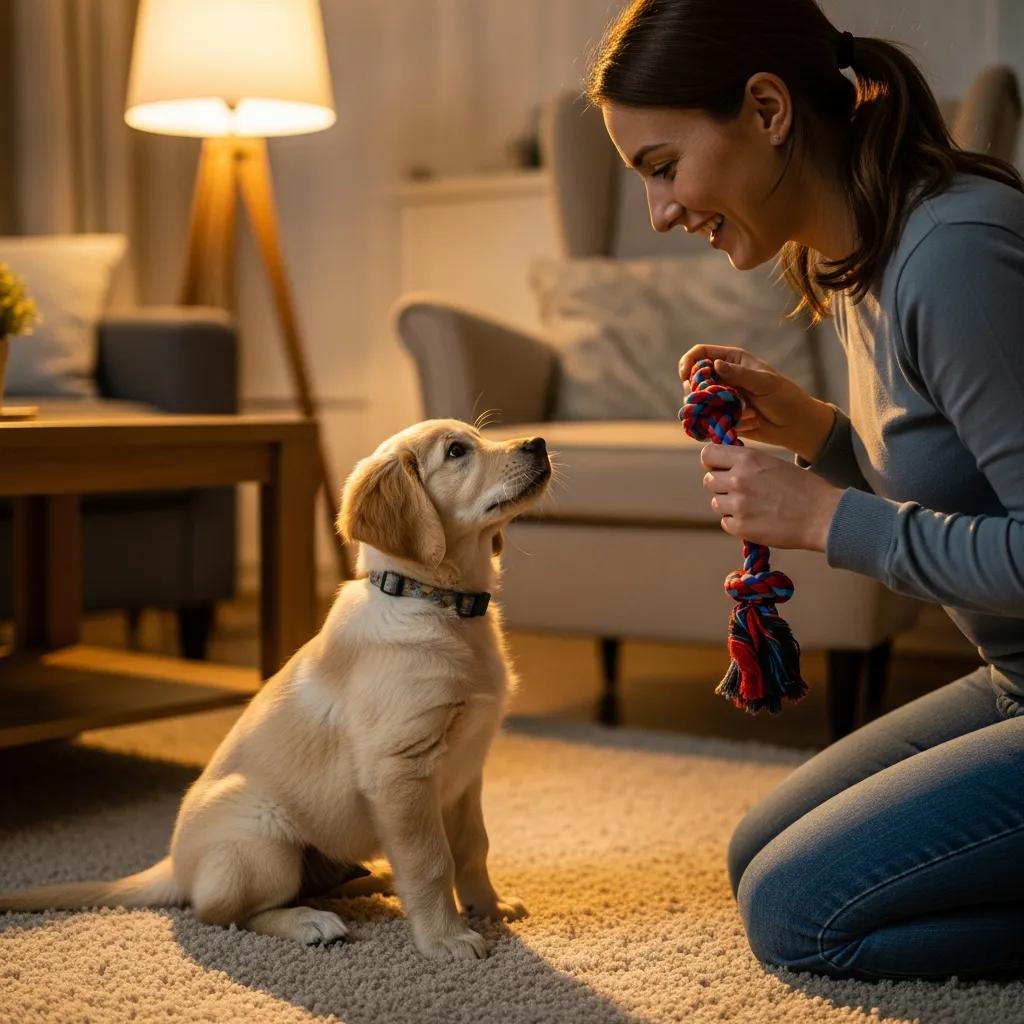
Early training sets the stage for adult behaviour. Key techniques are socialisation, basic command work, and positive reinforcement. Exposing puppies to different people, places, and animals helps them grow confident and adaptable.
When Is the Best Age to Start Puppy Training?
Start puppy training between 8 and 16 weeks. In this window puppies take in new experiences quickly and learn basic commands and social skills. Early training builds good habits and lowers the chance of later behavioural problems.
Which Puppy Training Methods Encourage Good Behavior?
Several puppy training methods can encourage good behavior, including:
- Positive Reinforcement: Rewarding desired behaviors with treats or praise.
- Clicker Training: Using a clicker to mark desired behaviors, followed by a reward.
- Socialization: Exposing puppies to various environments and experiences to build confidence.
These methods promote good behaviour and help strengthen the bond between you and your puppy.
How Can Behavior Modification Help Manage Aggressive Dogs?
Behavior modification is a step-by-step way to change unwanted behaviours like aggression. It starts by identifying triggers and then applies strategies to address them. Using positive reinforcement and gradual desensitization helps dogs learn safer responses to those triggers.
What Are Common Causes of Aggression in Dogs?
Common causes of aggression include fear, territorial instincts, and poor socialisation. Knowing these triggers is vital: a dog that feels threatened may act aggressively, while lack of social experience can cause fear-based aggression.
Which Behavior Modification Strategies Are Most Effective?
Effective behavior modification strategies for managing aggressive dogs include:
- Positive Reinforcement: Rewarding calm behavior in the presence of triggers.
- Counter-Conditioning: Changing the dog’s emotional response to a trigger by pairing it with positive experiences.
- Desensitization: Gradually exposing the dog to the trigger at a distance, allowing them to become accustomed to it without reacting aggressively.
These approaches can turn negative reactions into positive behaviours and improve life for both you and your dog. If your dog shows aggressive tendencies, aggressive dog behavior management programs can provide tailored support.
Frequently Asked Questions
What are the benefits of early puppy training?
Early puppy training builds a foundation for a well-behaved adult. Starting at 8–16 weeks helps puppies learn commands and social skills faster. Benefits include better socialisation, lower anxiety, and habits that prevent later issues. It also strengthens your bond and makes future training smoother.
How can I address specific behavioral issues in my dog?
Address issues with a tailored plan. Identify the root cause—fear, anxiety, or lack of training—and use techniques like positive reinforcement, desensitization, and counter-conditioning. A professional trainer or behaviorist can offer personalised strategies. Stay consistent and patient; meaningful change takes time.
What should I look for in a dog trainer?
Look for qualifications, experience, and humane methods. Prefer trainers who use positive reinforcement. Check for recognised certifications and client reviews, and observe a class if you can. A strong trainer adapts their approach to your dog’s specific needs.
Are group classes or private sessions better for dog training?
It depends on your dog and goals. Group classes offer socialisation and can be more affordable. Private sessions give focused, customised training and work well for dogs with anxiety or specific problems. Choose the format that matches your dog’s needs.
How can I reinforce good behavior at home?
Be consistent and reward desired actions immediately with treats, praise, or play. Set a routine with short, regular training sessions and practise commands often. Make sure everyone in the household uses the same methods to avoid confusing your dog.
What are some signs that my dog may need professional training?
Seek professional help for persistent issues like aggression, excessive barking, or social anxiety. If your dog won’t follow basic commands or shows fear-based behaviour, a trainer can provide guidance and a tailored plan. If you’re unsure or overwhelmed, professional support is a good step.
Conclusion
Effective dog training in Los Angeles can improve your dog’s behaviour and deepen your bond. Positive reinforcement builds trust and leads to lasting obedience and confidence. Local resources like Topanga Pet Resort offer tailored programs to meet your needs. Explore recommended training options to get started.