
How to Prepare Your Dog for Boarding: A Complete Checklist
Preparing your dog for boarding is more than packing a bag — it’s about protecting health, easing stress, and setting up a smooth, predictable stay away from home. This guide walks Los Angeles and Ventura County dog owners through practical, step-by-step preparation: which vaccines matter, how to time vet visits, proven ways to reduce separation anxiety, a complete packing checklist, and what to expect from a facility’s daily routine. We also explain the main pricing drivers and special procedures for dogs with behavioral or medical needs so you can plan logistics and budget. Where relevant, we point to trainer-led approaches used at experienced facilities like Topanga Pet Resort, because good pre-boarding preparation reduces stress and improves outcomes. Follow these steps and you’ll be ready to book boarding with confidence and give your dog the best possible stay.
What Vaccinations Does Your Dog Need Before Boarding?
Vaccines protect both your dog and the whole boarding population by reducing the risk of contagious diseases that spread quickly in group settings. Most boarding facilities require the core vaccines plus certain non-core shots that specifically lower the chances of kennel cough, leptospirosis, and canine influenza — illnesses that transmit easily where dogs play and rest close together. Keeping vaccines current and bringing clear documentation makes check-in faster, lowers outbreak risk, and helps staff keep everyone safe. Below we list typical core requirements and share practical timing and verification tips so your dog stays eligible for boarding.
Because animals share close quarters in boarding settings, strict vaccination policies are essential to protect community health.
Which Core Vaccines Are Required for Boarding at Topanga Pet Resort?
Typical boarding vaccine requirements include Rabies, DHPP (distemper, hepatitis, parainfluenza, parvovirus), Bordetella (kennel cough), Leptospirosis, and Canine influenza. Each vaccine targets a different threat: Rabies prevents a fatal zoonotic disease, DHPP covers serious viral illnesses, Bordetella helps reduce kennel cough spread, Leptospirosis protects kidneys and liver from bacterial infection, and canine influenza lowers the risk of respiratory outbreaks. Facilities verify these with veterinary records showing dates and current validity; dogs with signs of illness are usually not accepted. Bring clear, legible vet records at drop-off so staff can confirm compliance and complete your reservation quickly.
Use the table below to see each vaccine’s purpose and typical timing so you can schedule boosters before a stay.
| Vaccine | Purpose | Timing / Validity |
|---|---|---|
| Rabies | Prevents rabies; required by public health law | Given per California law; proof required before boarding |
| DHPP | Protects against distemper, hepatitis, parvovirus | Puppies complete an initial series; boosters per your vet |
| Bordetella | Reduces kennel cough transmission | Often required annually; intranasal or injectable options accepted |
| Leptospirosis | Guards kidneys and liver from bacterial infection | Recommended in at‑risk areas; follow your vet’s booster timing |
| Canine Influenza | Helps prevent respiratory flu outbreaks | Follow the vaccine manufacturer and your vet for scheduling |
This quick reference shows the records staff will check and why each vaccine matters for community health.
How Can You Manage Your Dog’s Separation Anxiety Before Boarding?
Separation anxiety causes distress when dogs are away from primary caregivers and can lead to excessive barking, pacing, or escape attempts during a stay. Working on separation-related behaviors ahead of time reduces stress hormones, improves sleeping and eating in the kennel, and makes staff interactions safer and more productive. Practical interventions — desensitization, crate acclimation, and enrichment — teach your dog that absences are temporary and predictable. Below are effective techniques, plus guidance on when to bring in a professional.
What Are Effective Techniques to Ease Separation Anxiety in Dogs?

A gradual, structured plan of short departures paired with enrichment typically reduces anxiety over several weeks and leads to smoother boarding transitions. Start with five‑minute absences and slowly increase duration, keeping arrivals and departures calm so you don’t reinforce anxious greetings. Pair departures with special items like puzzle feeders or frozen treats that are only available when you leave. Crate acclimation with cozy bedding helps dogs treat a crate as a safe den, and regular exercise before leaving lowers arousal and supports rest. If you hit a plateau, consult a certified trainer or a veterinary behaviorist to rule out medical contributors and design a targeted program using counterconditioning and structured socialization.
- Start short departures: Leave for five minutes, then gradually lengthen absences while keeping arrivals low-key.
- Pair departures with enrichment: Use puzzle feeders or frozen treats that are only given when you leave.
- Create a predictable routine: Exercise, feed, and crate on a consistent schedule to reduce uncertainty.
These steps form a practical, scalable plan you can follow to shift your dog’s emotional response to separation before boarding.
How Does Pre-Boarding Training Help Reduce Boarding Stress?
Pre-boarding training builds impulse control, social skills, and confidence — all of which reduce incidents during a stay and help staff place dogs in suitable play groups. Programs like basic obedience and family training strengthen recall and calm behavior, while focused aggression-management work addresses triggers that might otherwise prevent safe placement. Short, focused sessions before a boarding date deliver measurable improvements: better leash manners, more consistent feeding behavior, and greater tolerance of handling for meds. Facilities that combine training and boarding give a clear path: train to lower risk, then board with a much higher chance of a relaxed, successful stay.
At Topanga Pet Resort we offer puppy classes, basic obedience, family-style training, aggression-management, and protection dog training, all led by certified trainers. Enrolling in a targeted pre-boarding program can make a real difference in how comfortably your dog adapts.
What Should You Pack for Your Dog’s Boarding Stay?
Packing focuses on continuity: pre-measured food, clearly labeled medications, a comfort item, and required documents help prevent feeding errors and keep your dog’s routine steady. Measured meals and written instructions reduce mistakes, while including an emergency contact and vet release speeds triage if medical needs arise. Below we explain how to prepare food and meds, which comfort items help, and what paperwork you’ll need to bring for a smooth check-in.
Which Food and Medication Supplies Are Essential for Boarding?
Bring pre‑measured, labeled meals with feeding times so staff can follow your dog’s diet precisely and avoid stomach upset or conflicts. Medications must be in their original containers with a printed schedule; list supplements and any special-diet notes to prevent omissions. Pack a sample daily schedule showing feeding and med times plus any behavior cues to help staff keep routines consistent. Clear labeling and redundant written instructions prevent common errors and give staff confidence when administering treatments.
Use the checklist table below to prepare items, why they matter, and the owner action needed.
| Item | Why It’s Needed | Owner Action |
|---|---|---|
| Pre-measured food | Prevents over- or under‑feeding and avoids stomach upset | Pack measured portions in labeled bags and note feeding times |
| Prescription meds | Ensures correct dosing and safety | Leave meds in original bottles with a printed schedule |
| Supplements | Maintains established digestive and health routines | Note brand, dose, and timing on an instruction sheet |
| Special diet notes | Prevents accidental feeding of the wrong food | Attach a printed feeding plan to the food bag |
This packing checklist helps you prepare a clear handoff so staff can follow your dog’s routine without guessing.
What Comfort Items and Important Documents Should You Bring?
A worn T‑shirt with your scent or a familiar soft toy can ease anxiety — but avoid bringing irreplaceable or high‑value items because they may get lost or damaged. Mandatory documents usually include up‑to‑date vaccination records, emergency contact information, and a signed medical release or authorization for treatment so staff can act quickly if needed. Label every item with your dog’s name and your contact info, and avoid rawhide or easily chewed items that pose choking risks. Clear paperwork and sensible comfort items create continuity and reassurance for your dog and the team caring for them.
Note: many facilities provide bedding and bowls to maintain hygiene — check ahead so you know what to bring and how to submit vaccination records.
At Topanga Pet Resort we provide private indoor rooms, bedding, and bowls; owners should bring labeled food and medications. Photo and video updates are available as an optional paid add-on if you’d like in‑stay visuals.
What Is the Daily Routine and Care Your Dog Will Receive at Topanga Pet Resort?
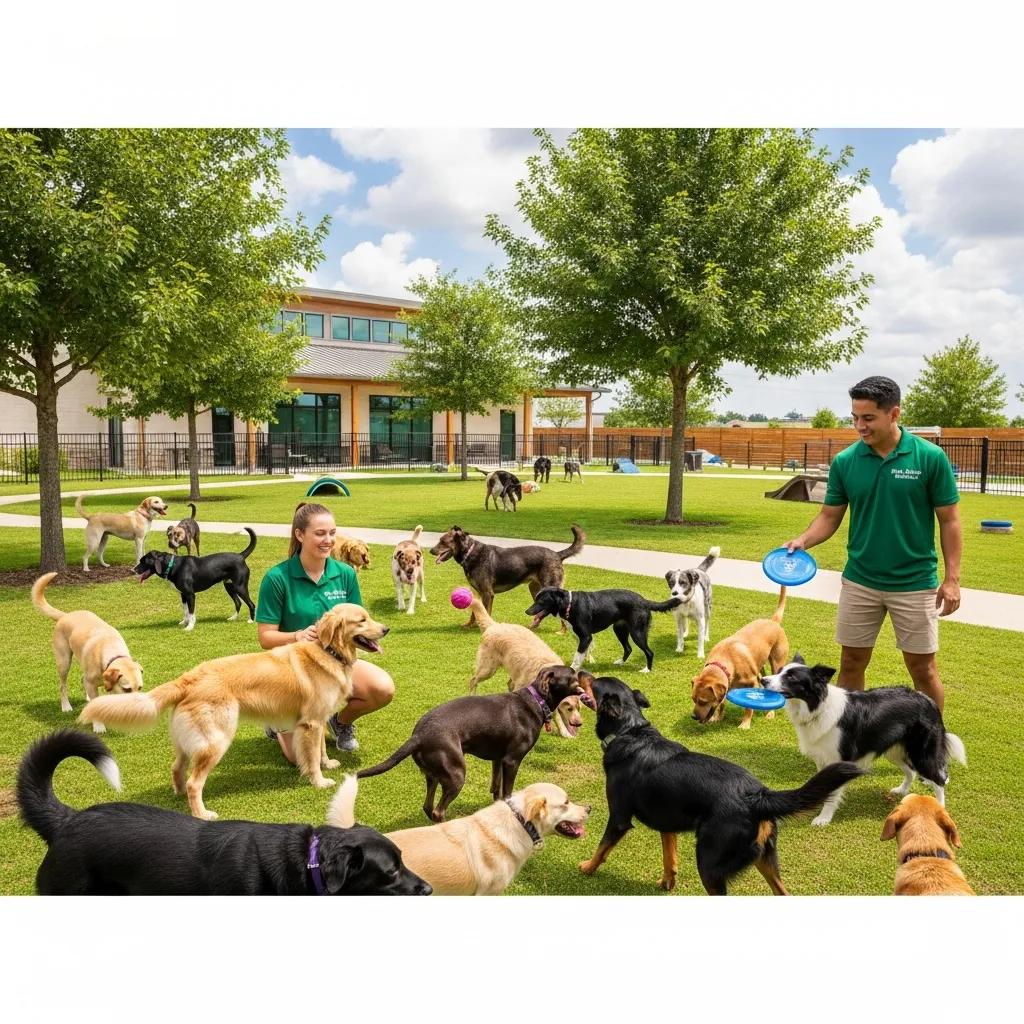
A consistent daily routine supports sleep, digestion, and behavioral stability by balancing exercise, feeding, play, and rest. Typical days include morning potty and feeding, supervised play or enrichment during daylight hours, quiet rest periods in private rooms, and an evening wind‑down with a final feeding. Safety measures — staff supervision, vaccination checks, and clear staff‑to‑dog protocols — reduce risk and ensure individualized attention. Below we describe facility features and communication options so you know what daily care to expect and how we keep families informed while dogs are in our care.
Even with careful preparation, unexpected health issues can occur during a dog’s stay at any boarding facility.
How Does Topanga Pet Resort Provide a Nurturing and Safe Environment?
Topanga Pet Resort focuses on individualized care across our 6.5‑acre property, with private indoor rooms and supervised outdoor play areas designed to reduce stress and encourage natural behavior in a controlled setting. Certified trainers and experienced caregivers monitor play groups, follow feeding and medication instructions, and check health regularly. Private rooms offer downtime between activities to avoid overstimulation, and segregation of play groups ensures safe, compatible social time. These operational practices — trained staff, careful grouping, and individualized feeding — combine to deliver consistent, attentive care during each stay.
Our steady daily routine supports calmer behavior and a smoother recovery when dogs return home. Next, here’s how we keep owners updated while their dog is with us.
What Communication and Updates Can Owners Expect During Boarding?
Clear communication helps owners feel connected and reduces worry. Standard communications include a daily report summarizing feeding, play, and any notable behavioral or medical observations, with alerts for incidents that require immediate attention. Many owners opt for optional photo or video packages for extra reassurance. Let staff know your preferred update frequency at check‑in and provide emergency contact instructions so we can act fast if needed. Paid extras like photo/video updates are common for owners who want visual updates, while routine written notes provide consistent documentation of daily care.
If you’d like more visual reassurance, opt into additional update services; if you prefer minimal contact to preserve your dog’s routine, standard daily reporting keeps things simple.
How Do Boarding Rates and Policies Affect Your Dog’s Stay?
Boarding fees reflect the level of care, space, and services your dog receives. Common cost drivers include suite type, dog size/weight, special conditions (for example, unneutered status), and peak demand during holidays, which may bring surcharges. Cancellation and late‑pickup policies, plus add‑on services (grooming, daycare, photo updates), affect the final cost, so understanding fee modifiers before booking helps avoid surprises. The sections below break down typical pricing factors and the operational procedures for drop‑off and pick‑up that influence scheduling and charges.
How Are Boarding Fees Calculated Based on Dog Size and Special Conditions?
Many facilities set rates by weight class because larger dogs need more space and different staffing ratios; additional fees can apply for unneutered/unspayed dogs and holiday stays due to extra management needs and demand. Typical weight brackets include small, medium, large, and extra‑large, with holiday surcharges applied as a flat fee or percentage. Some places offer multi‑dog discounts or bundled daycare/boarding packages to lower costs for frequent users. Knowing your dog’s weight class and any special‑condition fees helps you estimate the total cost and choose the best option.
The table below outlines common rate modifiers and notes to help you estimate boarding expenses.
| Weight Class | Fee Modifiers | Examples / Notes |
|---|---|---|
| Small (under 25 lbs) | Lower base nightly rate | Best suited for smaller suites; lower food consumption |
| Medium (25–50 lbs) | Standard base rate | Typical suite size and activity grouping |
| Large (50–75 lbs) | Higher base nightly rate | Requires larger suite and possibly different play groups |
| Special Conditions | Unneutered/unspayed, holiday surcharges | May add a per‑night fee or percentage during peak times |
This table clarifies common pricing drivers so you can budget and plan ahead.
What Are the Drop-off and Pick-up Procedures for Boarding?
Clear drop‑off and pick‑up procedures speed check‑in, confirm documentation, and reduce stress on arrival and departure days. Owners generally come during designated windows, present vaccination records and emergency contacts, complete any outstanding forms, and review feeding and medication instructions with staff. Late pick‑ups often carry fees to cover extra staffing and care. To make transitions smoother, prepare paperwork in advance, bring pre‑measured food and labeled meds, and confirm your pick‑up time so staff can plan your dog’s final feeding and handoff. Following facility procedures keeps things efficient, protects animals, and helps staff provide reliable care.
Practical pickup/drop‑off steps:
- Prepare paperwork in advance: Have vaccination records and emergency contact info ready.
- Arrive during the designated window: Use scheduled times to avoid delays and late fees.
- Review care instructions: Confirm feeding and medication schedules with staff at check‑in.
These simple steps minimize administrative errors and help your dog settle quickly on arrival.
How Can You Prepare Dogs with Special Behavioral or Medical Needs for Boarding?
Dogs with aggression, reactivity, or ongoing medical needs require early disclosure, assessment, and sometimes tailored plans to ensure safety and proper care. Contact the facility well before your trip and, if needed, enroll in specific training or medical planning so staff have time to create a safe care plan. The sections below describe training options for reactive or aggressive dogs and explain medication protocols owners should follow to ensure continuity of care.
What Training Programs Support Aggressive or Reactive Dogs Before Boarding?
Targeted behavior programs use desensitization, counterconditioning, and impulse control to lower triggers that can lead to boarding refusal or stressful stays. Aggression‑management programs identify triggers, apply graduated exposure, and teach alternative coping strategies while also training staff to recognize and respond to signals. Family and basic obedience classes build a foundation of reliable behaviors that support safe group placement. Timelines vary: short, intensive sessions can yield visible improvements in weeks, while complex cases may need longer behavior modification. Consult certified trainers to create a plan that fits your boarding timeline and safety needs.
Topanga Pet Resort’s certified trainers run puppy, basic obedience, family‑style classes and aggression management programs, giving an integrated pathway from behavior work to safe boarding readiness.
How Is Medication Managed for Dogs with Health Conditions During Boarding?
Medication management follows a clear protocol: owners provide meds in original containers with dosing instructions, staff log each administration, and secure storage prevents accidental access. Facilities typically require a written schedule and notes on administration method, possible side effects, and emergency vet authorization; this allows accurate records and fast action if issues arise. Staff usually keep logs showing time, dose, and initials for each administration, providing accountability and transparency. Bringing labeled meds and written instructions ensures your dog’s treatment continues reliably while boarding.
Sample medication management steps:
- Bring meds in original packaging with a printed schedule.
- Provide written consent for staff to administer meds and contact the vet if needed.
- Confirm how and where staff will document each dose during the stay.
Following this process reduces medication errors and helps ensure dogs with health needs receive safe, consistent care.
Frequently Asked Questions
What should I do if my dog has special dietary needs before boarding?
Tell the facility about dietary needs in advance and bring pre‑measured meals in clearly labeled containers, with feeding times noted. Provide a written list of allergies or restrictions so staff can follow your dog’s regimen exactly. Always confirm with the facility beforehand that they can accommodate the diet you require.
How can I help my dog adjust to a new boarding environment?
Visit the facility ahead of time if possible so your dog can meet staff and explore the space. Practice short separations at home to build confidence, and bring a familiar blanket or toy for comfort. Gradual exposure and consistent routines make new environments less stressful and help your dog settle more quickly.
What should I do if my dog has a medical emergency while boarding?
Make sure the facility has your veterinarian’s contact information and any signed medical release forms at check‑in. Most reputable facilities have emergency protocols and relationships with local vets to get prompt care. Discuss your dog’s health history with staff so they know what to watch for and how to act.
Are there any specific items I should avoid packing for my dog?
Avoid irreplaceable or high‑value items since they can get lost or damaged. Don’t pack rawhide or small, easily chewed items that could cause choking. Stick to familiar, safe comfort items that will help your dog relax during their stay.
How can I ensure my dog receives adequate exercise during their stay?
Ask about the facility’s daily routine and exercise schedule before booking. Many reputable places offer structured playtime and outdoor activity; you can often request extra exercise sessions or enrichment if your dog is high energy. Talk through your dog’s needs at check‑in and consider adding training or play programs to boost mental and physical stimulation.
What should I do if my dog is not adjusting well to boarding?
If your dog struggles, tell the staff right away. Caregivers can try extra attention, adjust routines, or use calming techniques to help. For dogs with severe anxiety, consult a professional trainer or behaviorist before the next stay to develop a tailored plan that improves future experiences.
Conclusion
Getting your dog ready for boarding means planning ahead: updating vaccines, practicing short separations, packing clear instructions, and communicating special needs. These steps reduce stress, protect health, and make for a smoother stay — and they help your dog come home happy and healthy. If you have questions or want help preparing, our team at Topanga Pet Resort is happy to walk you through the process.